Private Label Clay Mask
The 10-minute ritual with the visual demo — clays that purify without the tight-squeak.
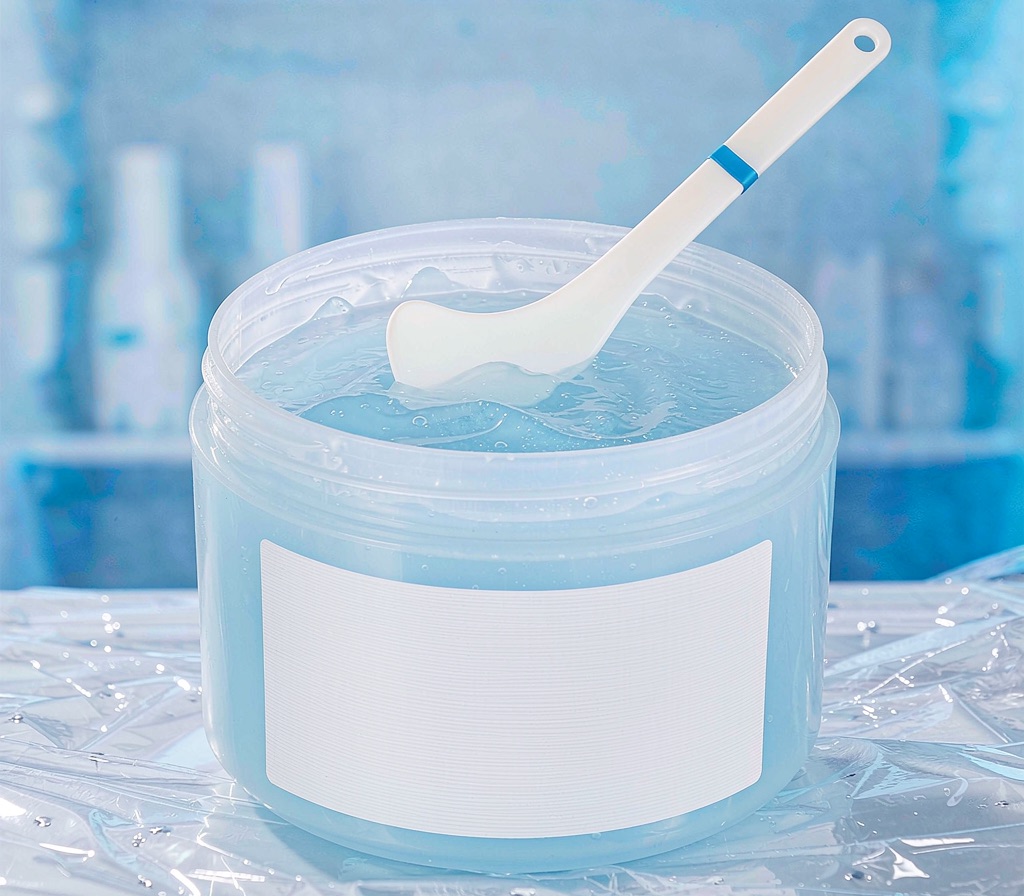
Pack formats, MOQ and lead time
Mixed-variant orders can split the stated MOQ across formats under one brand.
| Format / Specification | MOQ | Lead Time |
|---|---|---|
| Kaolin comfort clay 75 ml tube | 1,000 pcs | 10–15 days |
| Charcoal detox clay 75 ml tube | 1,000 pcs | 10–15 days |
| Bentonite oil-control clay 100 ml jar | 1,000 pcs | 10–15 days |
MOQ and lead time above are the standard liquid, cream and gel route. The real minimum is set by the manufacturing system rather than the category: surfactant systems (shampoo, body wash) start at 2,000 pcs, stick formats at 3,000, and powders and sheet masks at 5,000 — with longer production runs to match.
What the dwell time actually delivers
INCI names and typical levels reflect publicly documented formulation practice. All values are adjustable in your build.
| Ingredient (INCI) | Typical Level | Function & Benefit |
|---|---|---|
| Kaolin | 15–30% | Gentle absorbing clay base |
| Charcoal Powder | 2–5% | Graphic detox aesthetic |
| Glycerin + Panthenol | 3–5% | Anti-tightness backfill |
Build the routine around it
Private Label Sheet Masks
The gifting and travel hero — substrate choice decides everything, and we stock all three tiers.
Private Label AHA/BHA Exfoliating Mask
The weekly reset peel — high-dose acids in a wash-off format that keeps claims comfortable.
Private Label Sleeping Mask
The last-step ritual — overnight textures that turn sleep into a glow claim.
Buyer guides for this build
Before you brief a supplier on this category, these are the guides that answer the questions buyers ask next — timelines, order quantities, cost structure and compliance.
The questions that come up every time
Why do some clay masks leave skin tight?
Pure clay systems over-absorb lipids; humectant backfill keeps the purification while protecting the barrier — the fix is formulation, not less clay.
Is the charcoal color staining?
No — charcoal rinses clean; we verify no-residue on fabric in the protocol.
Tube or jar?
Tubes read more hygienic at mass price points; jars photograph better for premium. We stock both.
Clay masks are the most demonstrable product in skincare — the drying color change is its own before/after. Modern builds fix the old complaint (tight, squeaky finish) with humectant-backfilled systems so skin feels comfortable when the clay rinses off.
We build kaolin for gentle weekly purification, bentonite for oil-control positioning and charcoal for the graphic black aesthetic. Tubes beat jars on hygiene perception; both formats are stock components.
What can be adjusted on this mask
- Kaolin / charcoal / bentonite positioning routes
- Tube or jar formats
- 10-minute usage insert cards
- Comfort-finish (no-squeak) verification
Where the compliance file comes from
The line is GMPC and ISO 22716 certified, and each batch carries raw-material-to-carton traceability under licence 粤妆20250206.
For a mask the file is built on the in-use preservation study and the fill weight of the unit, with the certificate of analysis, stability summary, microbiology report and MoCRA / CPNP-ready documentation attached to the order. Each batch is released against the retained Golden Sample.
The carrier decides how the actives are released
In a sheet or a patch the substrate is not packaging — it is part of the delivery. The material, its thickness and how it holds liquid all decide how much active reaches the skin and how evenly.
In a clay or cream mask the carrier is the base itself and drying behaviour is the variable. Whether the mask tightens as it sets is a formulation outcome, and it can be tuned in either direction.
Where each route fits a brief
The format is chosen for how the product behaves during dwell, not for what it contains.
| Format | Release behaviour | Typical brief |
|---|---|---|
| Peel-off film | Sets to a film, removed in one piece | Formats sold on a visible result |
| Biocellulose sheet | Tight adhesion, even delivery | Premium single-use masks |
| Wash-off cream mask | Rinses clean and leaves no residue | Hydration in a short routine step |
| Peel-off | Forms a film, removed in one piece | Formats that demo well in short video |
What decides how this behaves at dwell
The substrate is part of the formula
Sheet material, thickness and liquid retention all change how much active reaches the skin and how evenly it arrives.
Removal without damage
Peel-off and wash-off formats both have to come away without pulling at the skin, which is a film-former and plasticiser question.
Preservation after opening
A jar mask meets air and fingers at every use, so the preservation study runs against that in-use pattern rather than sealed shelf life alone.
Drying behaviour can be designed
Whether a clay mask tightens or stays comfortable is decided by the clay blend and the humectant level, not by the clay alone.
The route a dwell-time product takes through production
- 1
Hold for microbiological release
Wet formats are released on a microbiological result, and for a jar the in-use study is part of the file.
- 2
Verify the cut and fit
Cut geometry is checked against the reference so the mask sits the way the approved sample did.
- 3
Wet the substrate to specification
For a sheet format the saturation level is set and verified, because it decides both the dose delivered and whether the pack leaks.
- 4
Run the in-use preservation study
For a jar format the study replicates real opening and contamination, not just the sealed shelf life.
Send the usage occasion
Gift, travel or routine — the occasion decides whether this should be a sachet or a jar. We quote against the format that fits.