Private Label Shea Butter Face Cream
Winter's heaviest hitter — unrefined shea for skin that drinks.
Questions we answer on every cream brief
Unrefined or refined?
Unrefined keeps the nutty scent and natural story; refined wins clinical and fragrance-added shelves. Both use the same butter functionally.
Will it clog acne-prone skin?
Shea rates low-moderate; we position the standard build for dry skin and offer the lightweight gel variant for breakout-prone customers.
Can this be face and body?
Yes — many brands run it as dual-label; the 200 ml body size shares the formula at volume economics.
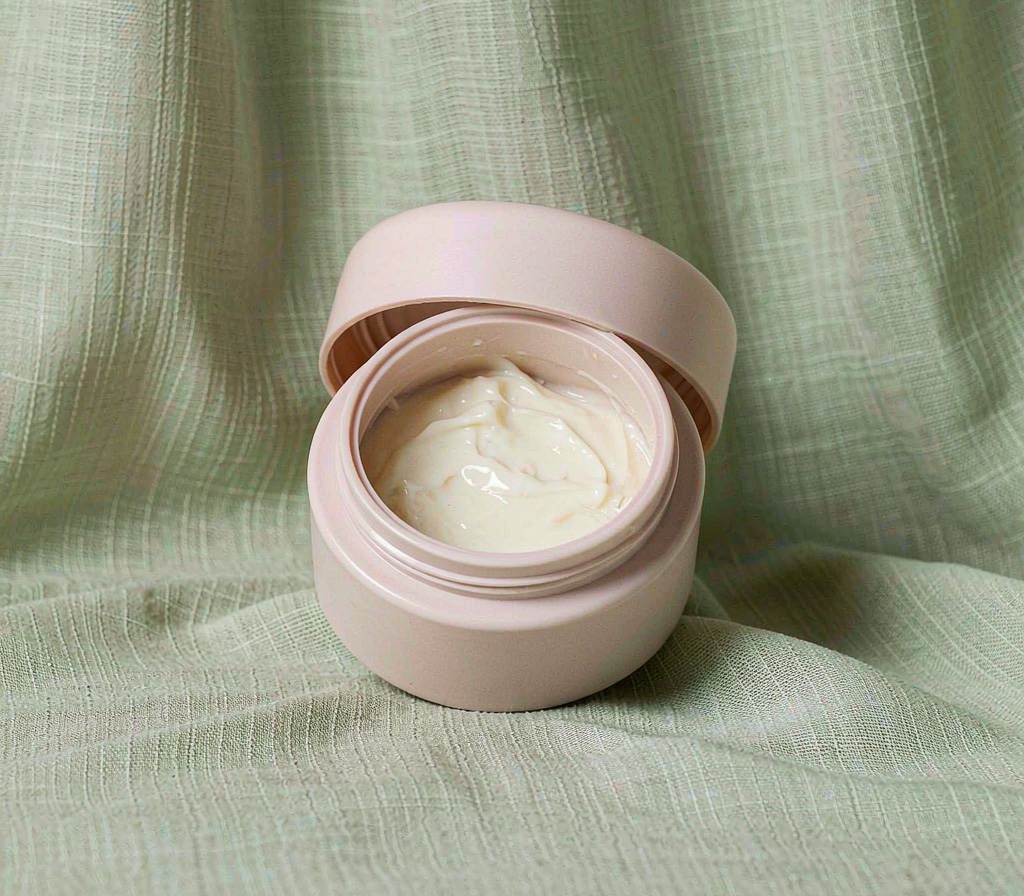
Shea butter face cream serves the coldest months and the driest faces: unrefined shea delivers triglycerides and unsaponifiables with a protective cushion ordinary lotions cannot match. The target customer's complaint is visible flaking, and the demo is one application.
We balance unrefined (nutty scent, natural color, full story) against refined (white, odorless, cosmetic-clean) — both sell, to different shelves. Whipping options create the airy 'whipped butter' texture that photographs for social.
Formats we fill this emulsion into
Mixed-variant orders can split the stated MOQ across formats under one brand.
| Format / Specification | MOQ | Lead Time |
|---|---|---|
| Shea 15% rich face cream, 50 ml | 1,000 pcs | 10–15 days |
| Whipped shea butter texture, 60 ml jar | 1,000 pcs | 10–15 days |
| Winter kit (cream + hand cream + lip) | 1,000 sets | 10–15 days |
MOQ and lead time above are the standard liquid, cream and gel route. The real minimum is set by the manufacturing system rather than the category: surfactant systems (shampoo, body wash) start at 2,000 pcs, stick formats at 3,000, and powders and sheet masks at 5,000 — with longer production runs to match.
What an emulsion batch record carries
Emulsification and filling run on GMPC and ISO 22716 certified lines in-house under licence 粤妆20250206, with raw-material-to-carton traceability on each batch.
For a cream or lotion the record carries viscosity, pH and appearance at fill, together with the stability summary for the oil phase and emulsifier system you selected. Each batch is checked against the retained Golden Sample before release.
The first ten seconds are decided by the volatiles
What a customer feels at application is largely the volatile fraction leaving — the light esters and silicones that evaporate or absorb first. That is what makes a cream read as fast-absorbing, and it is independent of how emollient the product really is.
Tuning that first impression means choosing the volatile fraction deliberately and keeping it separate from the long-acting emollients that decide how skin feels an hour later. The two are doing different jobs.
The textures we fill this base in
The route fixes the texture, the melt behaviour and the fill temperature at the same time, so it is usually settled early.
| Route | Texture character | Typical brief |
|---|---|---|
| Milk | Very low viscosity, spreadable | Body and large-format applications |
| Cold-process | Fresh, light texture | Actives that cannot take a heated oil phase |
| Concentrated base | Thick in the jar, spreads thin | Face creams sold on a little going a long way |
| Non-ionic-emulsified | Neutral, skin-compatible feel | Sensitive-skin and premium lines |
What gets decided before the oil phase
Heat and cold cycling
Transport reality belongs in the specification. The batch is cycled through the temperature range of the destination market before release.
The pack is part of the barrier
A jar, an airless pump and a tube expose the formula to very different amounts of air and finger contact. The pack changes the preservation requirement.
Occlusivity is measurable
How far a cream reduces water loss can be quantified, and it tracks the oil phase and the film it leaves rather than the word used on the front of the pack.
Cooling rate sets the crystal
Fatty alcohols and butters crystallise as the batch cools. Ramp the temperature too quickly and the texture turns grainy in a way that only shows up weeks later.
Build the range around it
Private Label Rich Repair Cream
For skin past the point of lotion — the intensive lipid rescue jar.
Private Label Moisturizing Cream
The everyday face cream that carries a brand — engineered by texture tier, not by price alone.
Private Label Body Butter
The whipped indulgence — spoonable butters for dry skin and gifting seasons.
Buyer guides for this build
Before you brief a supplier on this category, these are the guides that answer the questions buyers ask next — timelines, order quantities, cost structure and compliance.
From brief to released cream, step by step
- 1
Deaerate before fill
Entrained air is removed so fill weight and appearance in the pack both stay consistent from the first unit to the last.
- 2
Verify against the retained sample
Viscosity, pH and appearance are checked at release so the texture your buyer approved is the texture that ships.
- 3
Cool on a controlled ramp
The cooling rate decides how the fatty alcohols and butters crystallise, and therefore how smooth the finished cream turns out.
- 4
Screen the emulsifier across temperature
The system is tested at the low and high ends of the destination market's range, not only at the temperature it was made at.
What this emulsion is built around
INCI names and typical levels reflect publicly documented formulation practice. All values are adjustable in your build.
| Ingredient (INCI) | Typical Level | Function & Benefit |
|---|---|---|
| Butyrospermum Parkii (Shea) Butter | 10–25% | Rich occlusive nourishment |
| Squalane | 3–5% | Non-greasy slip |
| Glycerin | 5% | Humectant balance |
| Vitamin E | 0.5% | Antioxidant freshness |
What can be adjusted on this emulsion
- Unrefined vs. refined shea routes
- Whipped airy texture option
- Winter gift kit bundling
- Fair-trade shea sourcing documentation
Send the claim that has to hold
Tell us what has to still be true at the end of the shelf life, not only at fill, and we build the emulsion and the overage around it.