Private Label Hyaluronic Cream
Water, layered five ways — the hydration jar that never feels heavy.
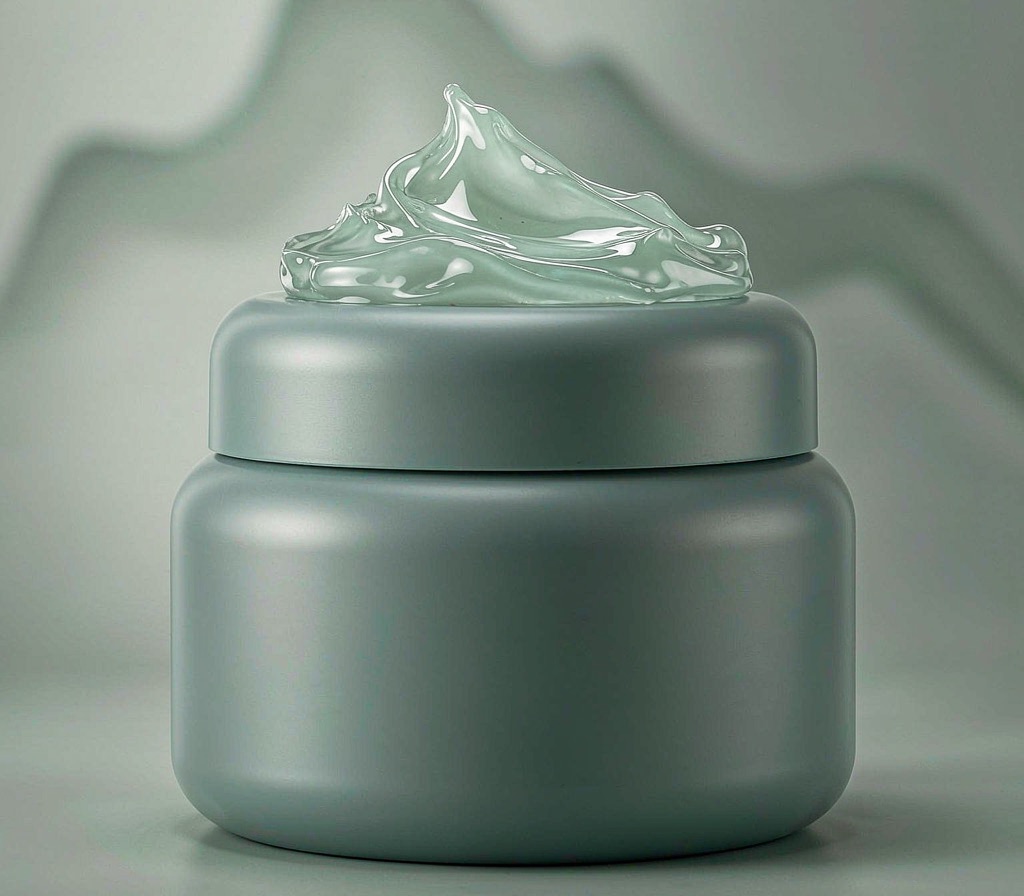
What this base can be filled into
Mixed-variant orders can split the stated MOQ across formats under one brand.
| Format / Specification | MOQ | Lead Time |
|---|---|---|
| 5-weight HA cream, 50 ml | 1,000 pcs | 10–15 days |
| HA + ceramide dry-climate build, 50 ml | 1,000 pcs | 10–15 days |
| HA duo set (serum + cream) | 1,000 sets | 10–15 days |
MOQ and lead time above are the standard liquid, cream and gel route. The real minimum is set by the manufacturing system rather than the category: surfactant systems (shampoo, body wash) start at 2,000 pcs, stick formats at 3,000, and powders and sheet masks at 5,000 — with longer production runs to match.
Traceability from raw material to carton
Each batch is traceable from the incoming raw material through to the sealed carton, on GMPC and ISO 22716 certified lines operating under licence 粤妆20250206.
For an emulsion the traceability record is read together with the retained Golden Sample and the stability results, because a cream can pass every chemical check and still fail in the hand.
Four points that fix the texture
Viscosity against the fill line
A base that is too thick at fill temperature traps air and gives variable fill weights. The target is set against how it behaves on the line, not only in the jar.
Fill temperature and the line
The product has to be fluid enough to fill and structured enough to hold its shape in the pack. Both are read off the same viscosity curve.
The oil phase sets the feel
Emollient choice decides absorbency, slip and after-feel. It is the single biggest lever on whether the product reads as premium or value tier.
pH drift and the active inside
Emulsions buffer slowly. Where an active has a pH window, that window is verified at fill and again at the end of the stability study.
Hyaluronic cream translates the serum-shelf hero into a moisturizer: five molecular weights of HA layered so surface lines plump instantly while deeper humectation sustains comfort through air-conditioned offices and winter heating.
The craft is preventing the 'HA draw' — in dry climates, poorly built HA formulas can pull water from skin. We pair HA with occlusive emollients and humectant gradation so hydration moves one way: in.
Texture and stability questions
Why multi-weight HA?
Different molecular weights sit at different skin depths — surface plumping plus sustained humectation beats a single weight on feel and on data.
Can HA cream work in winter?
Our dry-climate build adds squalane and trehalose specifically for low-humidity performance; standard build suits temperate climates.
Does it layer under makeup?
Yes — the finish sets within a minute and does not pill; verified under three foundation chemistries.
The functional system behind the texture
INCI names and typical levels reflect publicly documented formulation practice. All values are adjustable in your build.
| Ingredient (INCI) | Typical Level | Function & Benefit |
|---|---|---|
| Sodium Hyaluronate (multi-weight) | 0.5–2% | Multi-depth hydration |
| Hydrolyzed Hyaluronic Acid | 0.1–0.3% | Surface-line plumping |
| Squalane | 3–6% | Sealing emollience |
| Trehalose | 1–3% | Water-loss protection |
The pack is part of the emulsion
A jar exposes the surface to air and fingers at every use; an airless pump does not. The same formula can carry a different preservation strategy and a different shelf life depending on which one it is filled into.
That is why the pack is chosen early rather than at the end. Selecting it after the formula is fixed usually means revisiting the preservation study, and sometimes the emulsifier system as well.
Emulsion systems and the textures they give
Texture is the first thing a customer judges and the last thing a formula gives up cheaply — the route matters more than the wording.
| Route | Texture character | Typical brief |
|---|---|---|
| Structured balm | High melt point, protective film | Barrier repair and winter edits |
| Lamellar (liquid crystal) | Rich, layered, slow-release feel | Barrier creams and premium night products |
| Light lotion | Fast-absorbing with little residue | Volume body and face lines sold on daily use |
| Non-ionic-emulsified | Neutral, skin-compatible feel | Sensitive-skin and premium lines |
Customisation on this emulsion
- Dry-climate occlusive-boosted variant
- Fragrance-free sensitive route
- Airless jar for actives-line extension
- K-beauty minimal packaging
Formulas that sit beside this one
Private Label Hyaluronic Acid Serum
Multi-weight HA hydration serums that feel plumping, not sticky — the safest first SKU for any new brand.
Hyaluronic Acid 2% + B5 Serum
The universal hydration serum — the lowest-risk hero SKU for any new skincare brand.
Private Label Oil-Free Gel Cream
The lightweight everyday cream for oily and combination skin — matte finishes that layer clean.
Buyer guides for this build
Before you brief a supplier on this category, these are the guides that answer the questions buyers ask next — timelines, order quantities, cost structure and compliance.
From brief to released cream, step by step
- 1
Choose the volatile fraction
Light esters and silicones are selected for the first few seconds of wear and kept distinct from the emollients that carry the after-feel.
- 2
Emulsify under controlled shear
Shear energy is specified rather than left to the operator, because it sets the droplet size and with it the texture the customer feels.
- 3
Choose the emulsifier system
The emulsifier decides texture, melt point and stability at once, so it is picked with the destination market's climate in mind.
- 4
Cool on a controlled ramp
The cooling rate decides how the fatty alcohols and butters crystallise, and therefore how smooth the finished cream turns out.
Bring the sample you want to beat
Send the product you are positioning against and we quote a base built to answer it, texture for texture.