Private Label Oil-Free Gel Cream
The lightweight everyday cream for oily and combination skin — matte finishes that layer clean.
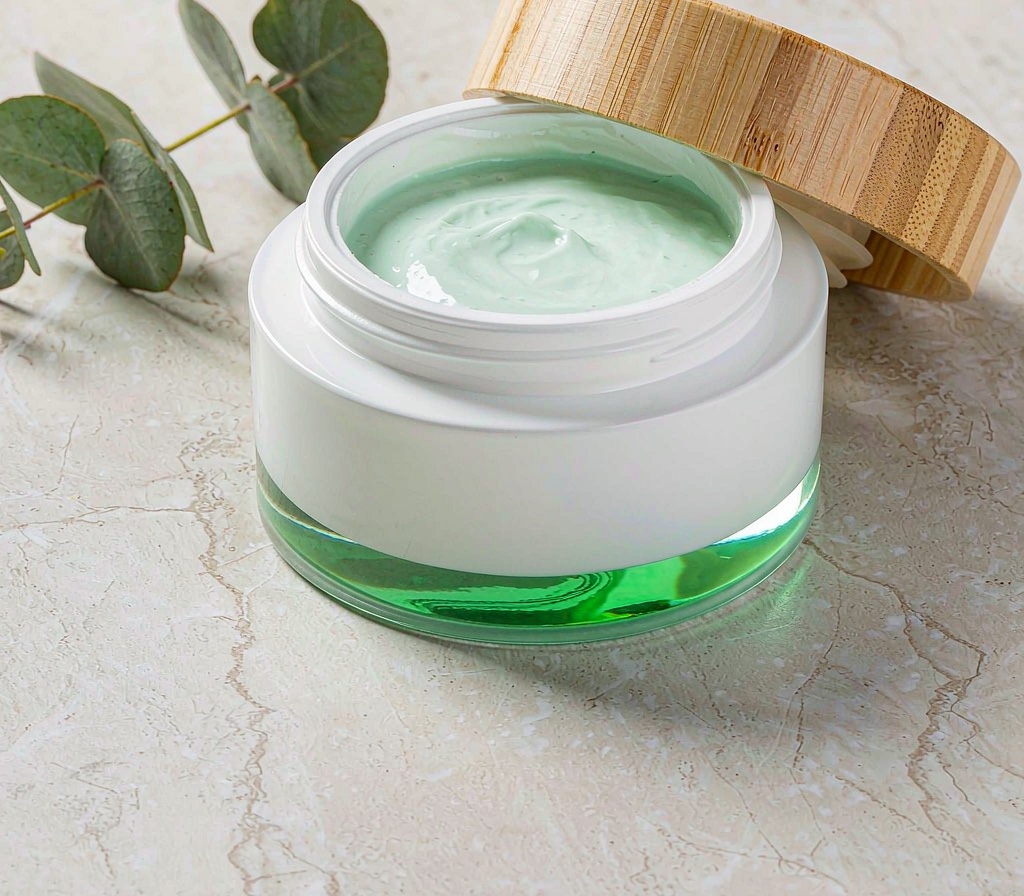
What the stability file has to show
The stability summary records how the system behaved across the temperature range of the destination market, on GMPC and ISO 22716 certified lines under licence 粤妆20250206.
It travels with the certificate of analysis, the microbiology report and MoCRA / CPNP-ready documentation, and the retained Golden Sample stays as the reference the batch was released against.
Texture, pack and claim options
- Matte or soft-glow finish tuning
- Niacinamide/zinc claim add-ons
- Jar, pump or tube formats
- Humid-climate stability verification
What brands ask us about this category
Who buys oil-free gel cream?
Oily and combination customers, men's-grooming lines and humid-climate markets — a surprisingly large share of the everyday moisturizer demand.
Does oil-free mean it cannot nourish?
It means no added oils; humectants and barrier-support polymers deliver comfort. We tune the polymer system so it does not feel 'watery thin'.
Can it double as a makeup primer?
The matte finish variant is commonly positioned that way; we verify no-pilling under foundation in the sensory protocol.
Oil-free gel cream is the default moisturizer for oily, combination and humid-climate customers — and the SKU most often missing from Western brand assortments built for dry markets. The texture craft is a water-gel network that hydrates without oil and dries to a matte or soft-glow finish on demand.
Systems pair HA and NMF humectants with sebum-softening polymers; optional niacinamide or zinc adds oil-control claims. We tune two finish profiles — instant-matte for humid Asia-US summer shelves and soft-glow for camera-facing audiences.
Complete the routine
Private Label Moisturizing Cream
The everyday face cream that carries a brand — engineered by texture tier, not by price alone.
Private Label Niacinamide Serum
The workhorse active of modern retail — built with flushing-risk control and honest concentration claims.
Private Label Spot Treatment
The overnightblemish fixer — drying lotions and clear gels for the emergency-shelf slot.
Buyer guides for this build
Before you brief a supplier on this category, these are the guides that answer the questions buyers ask next — timelines, order quantities, cost structure and compliance.
The choices that fix texture and shelf life
A wash surfactant is not a leave-on emulsifier
Chemistry that is unremarkable in a rinse-off can irritate when left on skin all day. The two categories are selected against different criteria even when the molecules look similar.
Occlusivity is measurable
How far a cream reduces water loss can be quantified, and it tracks the oil phase and the film it leaves rather than the word used on the front of the pack.
Challenge the preservative in the matrix
A challenge test run in water says little about the same preservative inside a cream, because it partitions between the two phases. The study runs against the product as filled.
Viscosity drifts in the first weeks
Most emulsions thicken or thin over the first month as the structure settles. Specification limits are written for the settled product, not the freshly made one.
How the texture is locked in before scale-up
- 1
Set the cool-down ramp
The cooling profile decides how the fatty alcohols and butters crystallise, so it is specified as a rate rather than left to ambient cooling.
- 2
Formulate the water phase
Humectants, electrolytes and pH adjusters are set as a group, because each one shifts how the emulsion forms and how it holds.
- 3
Set the phase temperatures
Oil and water phases are heated to matched temperatures so the emulsion forms evenly rather than shocking one phase into the other.
- 4
Fix the pack before the studies
Jar, tube or airless pump is settled early, because the pack decides what the preservation and stability studies have to demonstrate.
The first ten seconds are decided by the volatiles
What a customer feels at application is largely the volatile fraction leaving — the light esters and silicones that evaporate or absorb first. That is what makes a cream read as fast-absorbing, and it is independent of how emollient the product really is.
Tuning that first impression means choosing the volatile fraction deliberately and keeping it separate from the long-acting emollients that decide how skin feels an hour later. The two are doing different jobs.
Where each route fits a brief
The route fixes the texture, the melt behaviour and the fill temperature at the same time, so it is usually settled early.
| Route | Texture character | Typical brief |
|---|---|---|
| Lamellar (liquid crystal) | Rich, layered, slow-release feel | Barrier creams and premium night products |
| Polymeric-stabilised | Light body at a low emulsifier load | Sprays and fluid lotions |
| Structured balm | High melt point, protective film | Barrier repair and winter edits |
| Cold-process | Fresh, light texture | Actives that cannot take a heated oil phase |
Order sizes for each pack format
Mixed-variant orders can split the stated MOQ across formats under one brand.
| Format / Specification | MOQ | Lead Time |
|---|---|---|
| Matte-finish water gel, 50 ml jar | 1,000 pcs | 10–15 days |
| Soft-glow gel-cream with 4% niacinamide, 50 ml | 1,000 pcs | 10–15 days |
| Zinc PCA oil-control gel, 50 ml pump | 1,000 pcs | 10–15 days |
MOQ and lead time above are the standard liquid, cream and gel route. The real minimum is set by the manufacturing system rather than the category: surfactant systems (shampoo, body wash) start at 2,000 pcs, stick formats at 3,000, and powders and sheet masks at 5,000 — with longer production runs to match.
The actives carried in the oil phase
INCI names and typical levels reflect publicly documented formulation practice. All values are adjustable in your build.
| Ingredient (INCI) | Typical Level | Function & Benefit |
|---|---|---|
| Sodium Hyaluronate | 0.2–0.5% | Oil-free hydration cushion |
| Niacinamide | 2–4% | Oil balance and tone support |
| Zinc PCA | 0.5–1% | Sebum regulation |
Bring us the shelf life, not just the formula
The stability window decides the emulsifier system. Tell us how long the product has to hold, and we build backwards from that number.