Private Label Enzyme Mask
Exfoliation without acids — enzymatic renewal for the reactive-skin shelf.
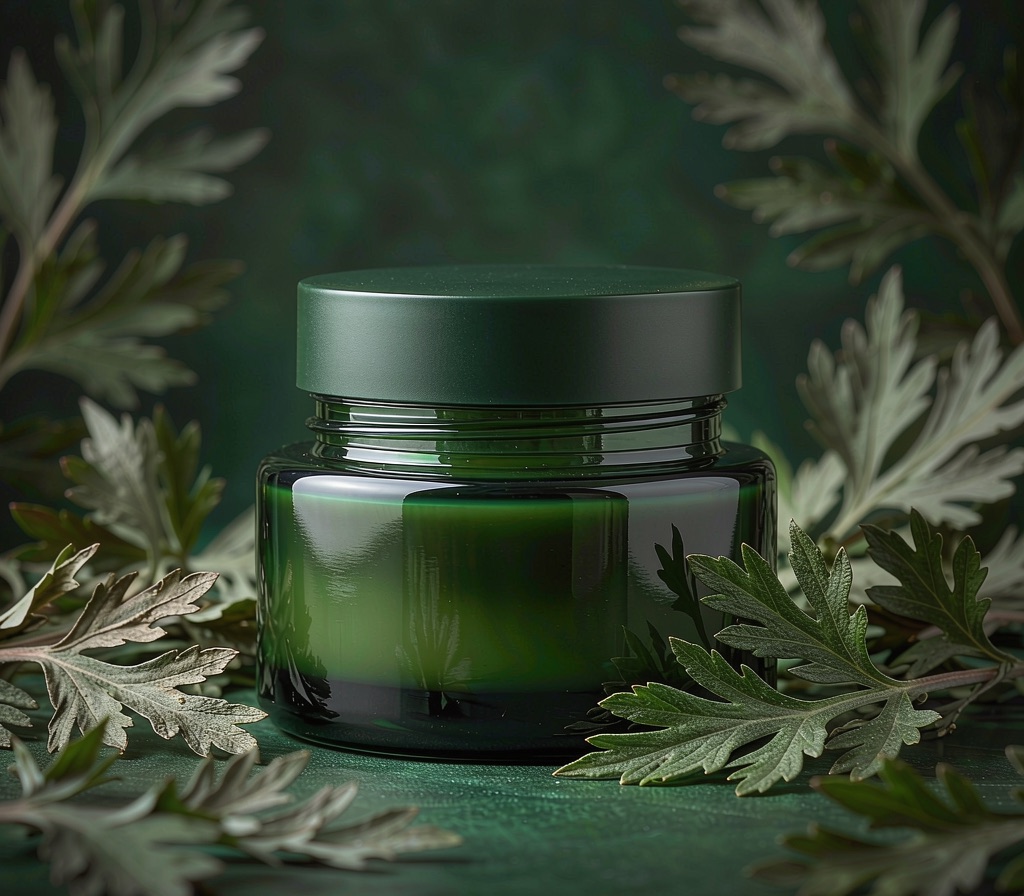
A mask is a dose delivered under occlusion
Covering the skin changes how anything underneath behaves: water loss falls, skin temperature rises and penetration increases. That is the mechanism every mask works with, whether the carrier is a sheet, a clay or a cream.
It also sets the limit. A product that would be comfortable as a leave-on can become uncomfortable when it is held against the skin for twenty minutes under a film.
Mask formats and what each one delivers
Single-use and multi-use formats carry different preservation files, so the route is settled before the pack.
| Format | Release behaviour | Typical brief |
|---|---|---|
| Gel mask | Translucent, cooling, no drying | Hydration and after-sun positioning |
| Sheet and patch | Occlusive, even delivery across the dwell | Single-use and travel-friendly formats |
| Cream and sleeping | Leave-on, no rinse, slow release | Overnight and hydration-led routines |
| Biocellulose sheet | Tight adhesion, even delivery | Premium single-use masks |
What this mask can be filled into
Mixed-variant orders can split the stated MOQ across formats under one brand.
| Format / Specification | MOQ | Lead Time |
|---|---|---|
| Papain gel mask 75 ml jar | 1,000 pcs | 10–15 days |
| Pumpkin-ferment resurfacing mask 75 ml | 1,000 pcs | 10–15 days |
| Powder-activate enzyme kit 8 uses | 1,000 sets | 10–15 days |
MOQ and lead time above are the standard liquid, cream and gel route. The real minimum is set by the manufacturing system rather than the category: surfactant systems (shampoo, body wash) start at 2,000 pcs, stick formats at 3,000, and powders and sheet masks at 5,000 — with longer production runs to match.
Enzyme masks exfoliate by protein-digestion rather than acidity — papain from papaya and lactobacillus/pumpkin ferments digest dead-cell protein without touching the acid-sensitive barrier. For reactive-skin customers who sting on any acid, this is the only renewal route they tolerate.
The claim 'acid-free exfoliation' is the category's entire marketing engine, and it is chemically honest. Build systems are powder-activate (freshness theater) or ready-to-use gels, both with neutral pH that survives the most sensitive positioning.
What decides how this behaves at dwell
Dwell time sets the dose
A product left on for twenty minutes can carry more than one left on for one, so the level is set against real usage rather than the label.
Adhesion and fit
A sheet that lifts at the edges is judged a bad mask regardless of what is in it. Cut and material are part of the specification.
Sheet saturation level
A sheet can hold only so much liquid without dripping. Saturation is tuned against the pack, the shelf life and how the customer applies it.
Preservation after opening
A jar mask meets air and fingers at every use, so the preservation study runs against that in-use pattern rather than sealed shelf life alone.
Format, dwell and pack options
- Ready-gel or powder-activate formats
- Acid-free claim documentation
- Neutral-pH verification per batch
- Sensitive-shelf routine pairing
From brief to released mask, step by step
- 1
Match the pack to the usage
Sachet, tube or jar, chosen against single-use or multi-use consumption patterns in the destination market.
- 2
Run the in-use preservation study
For a jar format the study replicates real opening and contamination, not just the sealed shelf life.
- 3
Verify the cut and fit
Cut geometry is checked against the reference so the mask sits the way the approved sample did.
- 4
Set the dwell time and the claim
How long the mask stays on decides how much active it can carry and what it can credibly claim.
Build out the mask range
Private Label AHA/BHA Exfoliating Mask
The weekly reset peel — high-dose acids in a wash-off format that keeps claims comfortable.
Private Label Face Scrub
Physical exfoliation rebuilt for the microplastic-free era — polish without planet guilt.
Private Label Clay Mask
The 10-minute ritual with the visual demo — clays that purify without the tight-squeak.
Buyer guides for this build
Before you brief a supplier on this category, these are the guides that answer the questions buyers ask next — timelines, order quantities, cost structure and compliance.
The actives and the carrier behind them
INCI names and typical levels reflect publicly documented formulation practice. All values are adjustable in your build.
| Ingredient (INCI) | Typical Level | Function & Benefit |
|---|---|---|
| Papain (Carica Papaya) | 0.5–2% | Protein-digesting renewal enzyme |
| Lactobacillus/Pumpkin Ferment | 2–5% | Ferment enzymatic support |
| Kaolin | 5–10% | Comfortable mask base |
Dwell time and usage questions
How does enzyme exfoliation differ from AHAs?
Enzymes digest keratin protein instead of dissolving intercellular glue with acid — slower, gentler and neutral-pH, which is exactly the sensitive-shelf promise.
Why powder-activate packaging?
Enzymes lose activity in water over time; activating fresh at use guarantees potency and doubles as a mix-it ritual demo.
Can enzyme and acid be combined in one product?
Not usually — they compete. Brands position them as alternatives for different skin tolerances, which broadens the shelf.
What a mask batch record carries
Filling runs on GMPC and ISO 22716 certified lines in-house under licence 粤妆20250206, with traceability from raw material to carton on each batch.
For a mask the record carries fill weight, the appearance check and the in-use preservation results for the format you selected, plus the dwell-time behaviour recorded on your retained Golden Sample.
Send the usage occasion
Gift, travel or routine — the occasion decides whether this should be a sachet or a jar. We quote against the format that fits.