Private Label Cold Cream
The 150-year-old formula that still sells — heritage cleansing comfort.
The questions that come up every time
Cold cream vs. cleansing balm?
Same job, different century — cold cream leaves the classic veil and heritage story; sorbet balms chase the rinse-clean modern feel. Many brands carry both.
Does it rinse clean?
By design it leaves a light veil — that emollient layer is the dry-skin feature; the tissue-off method is part of the ritual copy.
Vegan possible?
Yes — plant wax builds replicate the structure without beeswax, at equivalent feel in panel tests.
What this emulsion is built around
INCI names and typical levels reflect publicly documented formulation practice. All values are adjustable in your build.
| Ingredient (INCI) | Typical Level | Function & Benefit |
|---|---|---|
| Cetearyl Ethylhexanoate + Plant Esters | 30–50% | Melting cleansing phase |
| Cera Alba or Plant Wax | 3–8% | Structure and classic feel |
| Rose Water | 2–5% | Heritage freshness note |
| Squalane | 3–5% | Emollient veil |
What this base can be filled into
Mixed-variant orders can split the stated MOQ across formats under one brand.
| Format / Specification | MOQ | Lead Time |
|---|---|---|
| Classic cold cream 100 ml jar | 1,000 pcs | 10–15 days |
| Plant-wax vegan cold cream, 100 ml | 1,000 pcs | 10–15 days |
| Heritage set (cold cream + toner) | 1,000 sets | 10–15 days |
MOQ and lead time above are the standard liquid, cream and gel route. The real minimum is set by the manufacturing system rather than the category: surfactant systems (shampoo, body wash) start at 2,000 pcs, stick formats at 3,000, and powders and sheet masks at 5,000 — with longer production runs to match.
Formulas that sit beside this one
Private Label Cleansing Balm
The sorbet-texture cult product — melts on contact, rinses spotless, travels without leaks.
Private Label Cleansing Oil
The first-step cleanser that melts SPF and makeup — rinse-clean without the greasy film.
Private Label Amino Acid Cleanser
The gentle-cleansing standard — pH-balanced surfactant systems that never leave skin tight.
Buyer guides for this build
Before you brief a supplier on this category, these are the guides that answer the questions buyers ask next — timelines, order quantities, cost structure and compliance.
Cold cream is the oldest SKU in the modern beauty aisle: an emulsion that feels cool as it melts, dissolving makeup and leaving the classic emollient veil galen's formula promised. Its buyers skew loyal and dry-skinned, and its pharmacy-heritage story requires no education in Europe.
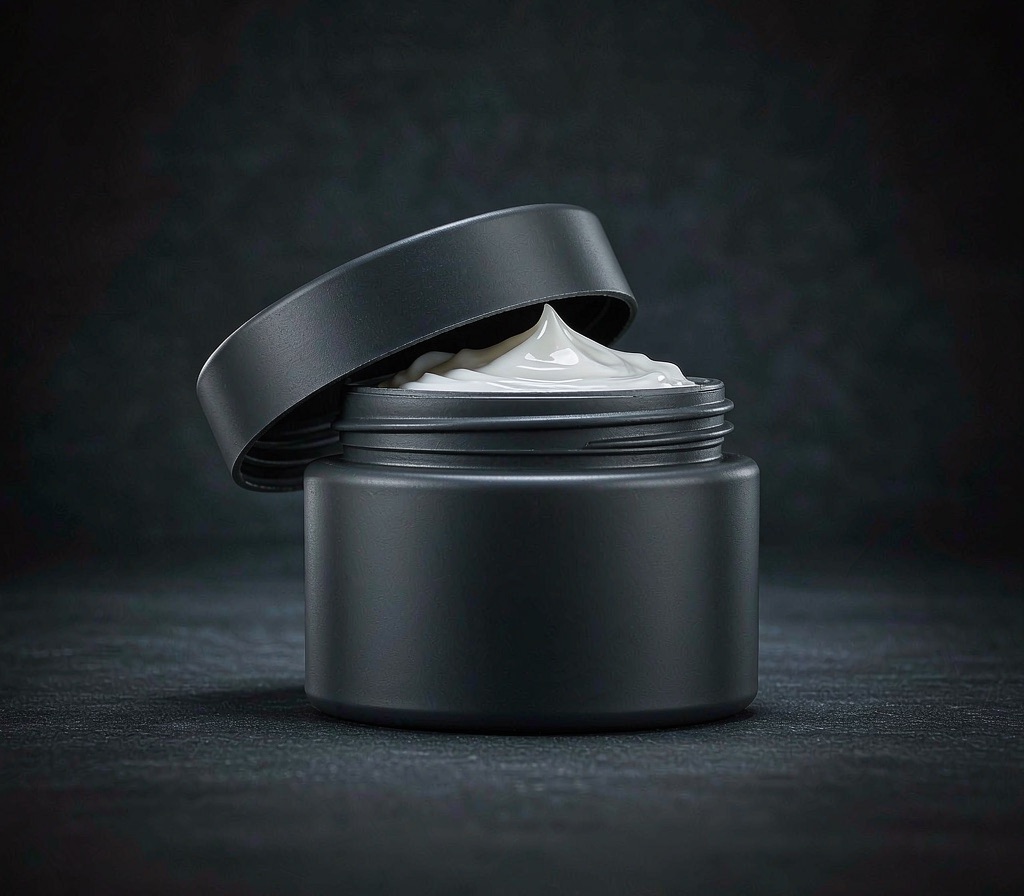
We build the classic mineral-oil-free version with plant esters and beeswax or plant wax alternatives, tune the 'cool on contact' phase-change feel that defines the category, and package in the apothecary jar the story expects.
Texture, pack and claim options
- Classic beeswax vs. vegan wax routes
- Apothecary heritage packaging
- Cool-on-contact phase verification
- Dry-skin dual cleanse positioning
An emulsifier has a temperature range, not just a number
Emulsifiers are selected on a scale that describes how they behave at one temperature. What decides stability in practice is how that behaviour moves as the batch is heated, cooled, and then stored through a summer — the same system can be flawless at the bench and unstable in a warehouse.
So the system is screened across the temperature range of the destination rather than at a single set point. A market that ships through a hot port and stores in an air-conditioned shop asks a different question from one that does neither.
Emulsion routes and what each one is built for
All of these can carry the same claim. What changes is how the product feels, how it ships and what it costs.
| Route | Texture character | Typical brief |
|---|---|---|
| Non-ionic-emulsified | Neutral, skin-compatible feel | Sensitive-skin and premium lines |
| Oil-rich paste | High oil phase, low water | Balm-adjacent textures delivered from a tube |
| Gel-cream | Light, breaks quickly on skin | Hot-climate and oily-skin briefs |
| Milk | Very low viscosity, spreadable | Body and large-format applications |
What gets decided before the oil phase
pH drifts during storage
Emulsions shift as the oil phase oxidises and the buffer is consumed. Where an active has a pH window, the end-of-shelf value is the one that has to stay inside it.
Occlusivity is measurable
How far a cream reduces water loss can be quantified, and it tracks the oil phase and the film it leaves rather than the word used on the front of the pack.
A gel-cream is not a thin cream
A gel-cream breaks on contact while a cream spreads and stays put. Customers read that difference immediately, so the two are treated as separate formats rather than one with less oil.
The oil phase sets the feel
Emollient choice decides absorbency, slip and after-feel. It is the single biggest lever on whether the product reads as premium or value tier.
The paperwork that travels with a cream order
Manufacturing takes place in-house under GMPC and ISO 22716 certification, licence 粤妆20250206, with raw-material-to-carton traceability on each batch.
Every production order ships with a certificate of analysis, a stability summary, a microbiology report and MoCRA / CPNP-ready documentation.
Texture is the hardest property to describe in numbers, so the retained Golden Sample is kept on file as the reference a batch is released against, alongside the viscosity and pH readings on the record.
The stages this emulsion passes through
- 1
Read pH at the end of the window
pH is measured at fill and again at the end of the stability study, so drift is caught while the batch is still a decision rather than a complaint.
- 2
Cycle against the destination
Heat, cold and freeze-thaw cycling replicate the shipping route before the batch is released.
- 3
Choose the emulsifier system
The emulsifier decides texture, melt point and stability at once, so it is picked with the destination market's climate in mind.
- 4
Deaerate before fill
Entrained air is removed so fill weight and appearance in the pack both stay consistent from the first unit to the last.
Send the claim that has to hold
Tell us what has to still be true at the end of the shelf life, not only at fill, and we build the emulsion and the overage around it.