Private Label Bubble Mask
The mask that foams itself — three minutes of foam, one viral video.
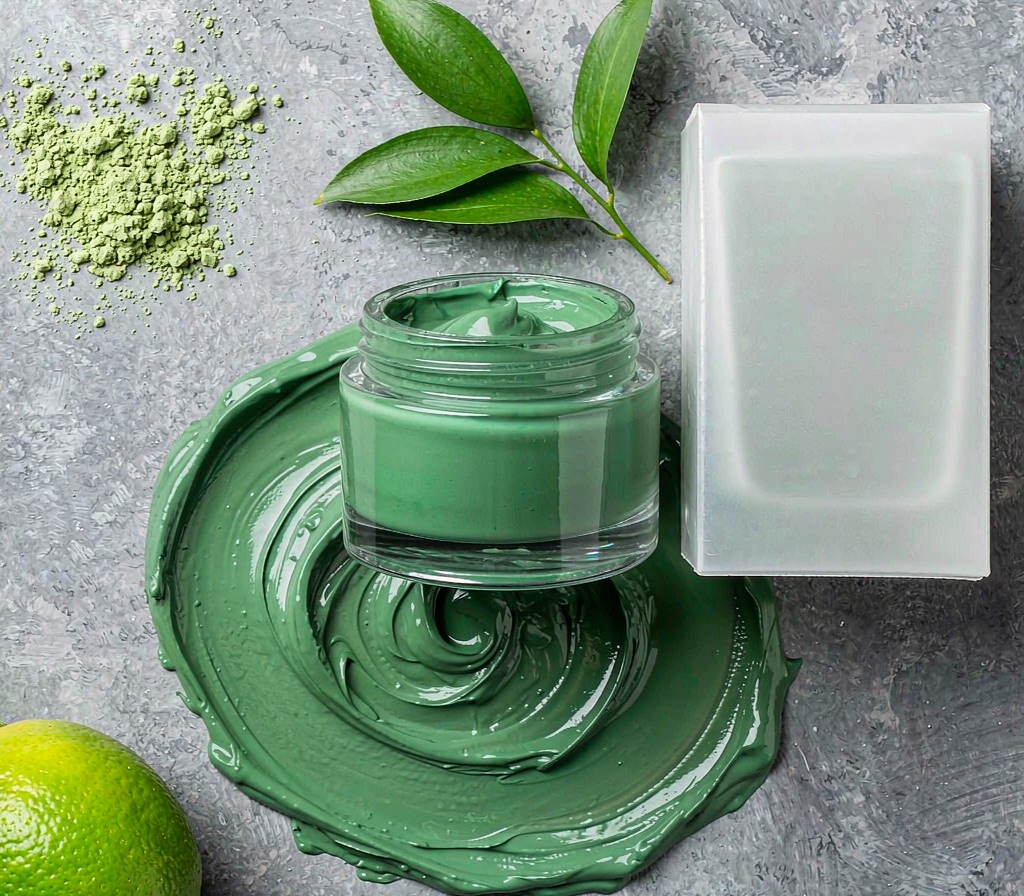
Bubble mask is the category's best demo: apply the sheet and watch it foam on camera as oxygen release lifts surface impurities look. The video does the marketing; the formula's job is reliable, photogenic foaming that never stings.
We tune the peroxide-free oxygen system for consistent bubble density across humidity ranges (foaming dies in dry winter bedrooms — we test for that), and keep the surfactant base mild so the deep-cleanse story never costs a barrier.
Why the in-use study matters more here
A jar mask meets air and fingers at every use, which is a very different exposure from the sealed shelf life. The in-use preservation study replicates that pattern rather than assuming it away.
Production runs on GMPC and ISO 22716 certified lines under manufacturing licence 粤妆20250206, with traceability from raw material to carton on every batch. Appearance, texture and dwell behaviour are checked against the retained Golden Sample at release.
The actives in this mask
INCI names and typical levels reflect publicly documented formulation practice. All values are adjustable in your build.
| Ingredient (INCI) | Typical Level | Function & Benefit |
|---|---|---|
| Oxygen-Releasing Complex | system | Self-foaming action |
| Charcoal Powder (variant) | 0.5–2% | Detox-look visual |
| Coco-Betaine | 2–5% | Mild foaming base |
| Green Tea Extract | 1–3% | Antioxidant calm |
What decides how this behaves at dwell
The ten-minute expectation
Customers time a mask against what the pack told them. A product that is still tacky at the stated dwell is read as a failure even if the actives performed.
Sheet saturation level
A sheet can hold only so much liquid without dripping. Saturation is tuned against the pack, the shelf life and how the customer applies it.
Preservation after opening
A jar mask meets air and fingers at every use, so the preservation study runs against that in-use pattern rather than sealed shelf life alone.
Single-use versus multi-use
A sachet removes in-use contamination, a jar gives better economics. The choice is a market decision with a formulation consequence.
Other mask formats we manufacture
Private Label Charcoal Mask
The black jar that photographs itself — activated charcoal deep-cleanse.
Private Label Clay Mask
The 10-minute ritual with the visual demo — clays that purify without the tight-squeak.
Private Label Foam Cleanser
The satisfying middle ground — cream texture that whips into dense, cushioned foam.
Buyer guides for this build
Before you brief a supplier on this category, these are the guides that answer the questions buyers ask next — timelines, order quantities, cost structure and compliance.
Format and usage options
- Foam-density consistency testing (dry/humid)
- Clear-window pouch to show foaming
- Charcoal and pink-clay color variants
- Teen-market packaging program
Wet formats and dry formats fail differently
A sheet mask fails through the pack — a seal that leaks, a substrate that dries out, a saturation level that will not hold. A clay mask fails on skin — it sets too hard, it cracks, or it will not rinse clean.
Neither is a formula problem in the ordinary sense, and both are found by testing the finished unit the way the customer uses it rather than the bulk in a jar.
Mask formats and what each one delivers
Dwell time, removal and the pack all change together — these routes are not interchangeable.
| Format | Release behaviour | Typical brief |
|---|---|---|
| Gel mask | Translucent, cooling, no drying | Hydration and after-sun positioning |
| Peel-off | Forms a film, removed in one piece | Formats that demo well in short video |
| Cream and sleeping | Leave-on, no rinse, slow release | Overnight and hydration-led routines |
| Overnight leave-on | Absorbs fully with no rinsing step | Routines built around sleep |
Order sizes for each format
Mixed-variant orders can split the stated MOQ across formats under one brand.
| Format / Specification | MOQ | Lead Time |
|---|---|---|
| Bubble sheet mask 25 ml | 1,000 pcs | 10–15 days |
| Charcoal bubble mask variant | 1,000 pcs | 10–15 days |
| Bubble mask + clay mask duo box | 1,000 sets | 10–15 days |
MOQ and lead time above are the standard liquid, cream and gel route. The real minimum is set by the manufacturing system rather than the category: surfactant systems (shampoo, body wash) start at 2,000 pcs, stick formats at 3,000, and powders and sheet masks at 5,000 — with longer production runs to match.
How a mask goes from brief to released batch
- 1
Set the dwell time and the claim
How long the mask stays on decides how much active it can carry and what it can credibly claim.
- 2
Check the dwell behaviour
Drying, setting and rinsing are re-checked on the approved sample so the behaviour the buyer signed off is the behaviour that ships.
- 3
Verify against the retained sample
Appearance, texture and behaviour at dwell are checked against the sample your buyer approved.
- 4
Choose the carrier
Clay, cream, gel or substrate, selected for the release behaviour the brief needs rather than for novelty.
Removal, fit and pack questions
Is the bubbling actually cleaning?
It is oxygen release lifting surface debris-look while mild surfactants cleanse — honest copy says 'deep-refresh feel', and the demo sells the rest.
Why did my mask barely bubble?
Low humidity kills the foam — our formula is tested at 30% RH winter conditions to keep the demo reliable.
Sensitive skin safe?
Yes with our mild-surfactant base and 3-minute wear cap; we print the timer guidance on the pouch.
Tell us the dwell time
Ten minutes or overnight decides the whole build. Send the usage pattern and the format, and we quote within 24 hours.