Private Label Rosemary Shampoo
The herb that went viral for hairlines — rosemary's scalp-first clean.
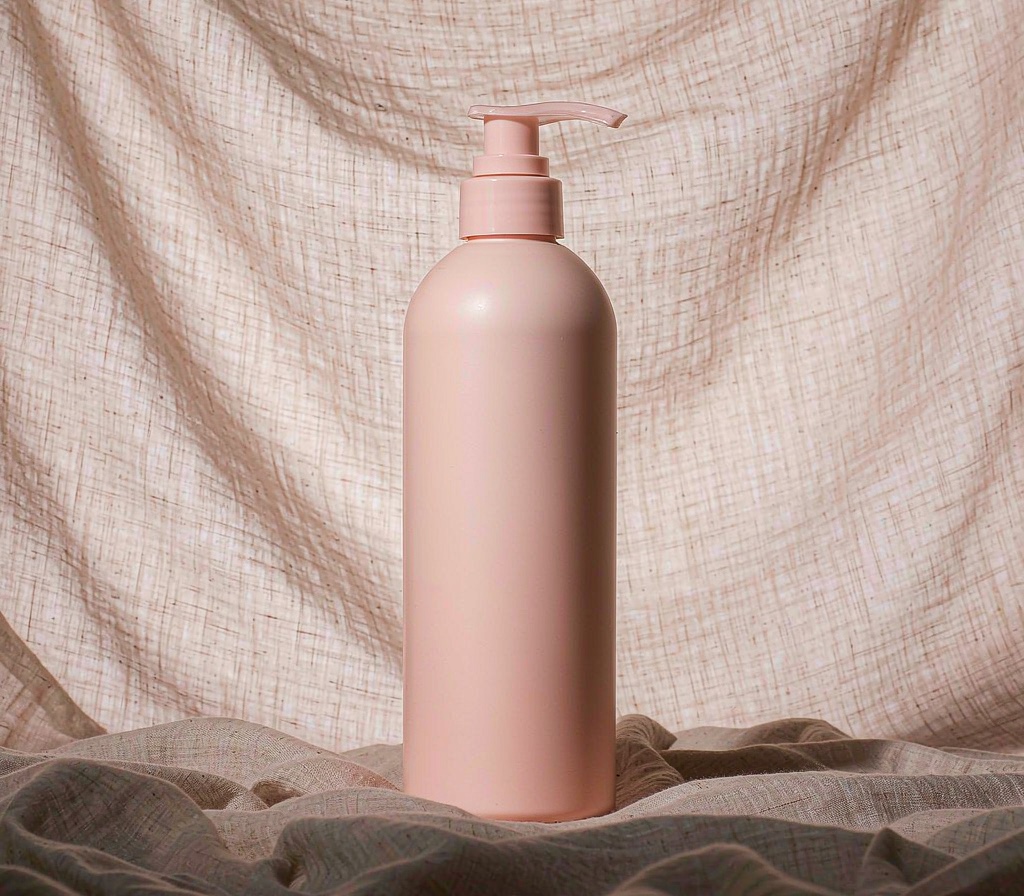
What can be adjusted on this wash
- GC-standardized rosemary oil documentation
- Sulfate-light surfactant base
- Social-viral label design support
- Shampoo + scalp oil set bundling
Rosemary shampoo converts social buzz into a real routine: rosemary leaf oil's stimulating story (backed by a widely cited comparative study against minoxidil for itch-free comfort) gives customers a reason to believe, and the herbal shower scent keeps them repurchasing.
We standardize rosemary oil content with GC documentation, keep the formula sulfate-light so the herbal story survives the ingredient panel, and verify the minty-herbal scent at panel — the aroma is the repeat-purchase engine.
Pack formats, MOQ and lead time
Mixed-variant orders can split the stated MOQ across formats under one brand.
| Format / Specification | MOQ | Lead Time |
|---|---|---|
| Rosemary oil 1% shampoo 300 ml | 1,000 pcs | 10–15 days |
| Rosemary + biotin strengthening build | 1,000 pcs | 10–15 days |
| Rosemary set (shampoo + scalp oil) | 1,000 sets | 10–15 days |
MOQ and lead time above are the standard liquid, cream and gel route. The real minimum is set by the manufacturing system rather than the category: surfactant systems (shampoo, body wash) start at 2,000 pcs, stick formats at 3,000, and powders and sheet masks at 5,000 — with longer production runs to match.
What brands ask us about this category
Does rosemary regrow hair?
Honest copy: it supports scalp health and the comparative study made it famous — we word claims as scalp care, not treatment, and the buzz still converts.
Sulfate or sulfate-free?
Sulfate-light by default — the herbal audience reads labels; a true sulfate-free variant is one surfactant swap away.
Why pair with caffeine?
Two stimulation pathways, one story — the combo outperforms either alone in wash-off feel and panel feedback.
Chemically treated hair is a different substrate
Bleached, coloured and relaxed hair has a lifted cuticle and a different surface charge from virgin hair. The same wash cleans it differently, releases colour at a different rate and leaves it feeling different afterwards.
That is why a colour-care system is not a standard base with a claim printed on the front. The surfactant blend and the pH are chosen for the substrate the customer actually has.
Where each cleansing route fits
Every system below is production-ready today. Which one we build is decided by the claim and the price tier, not the other way round.
| System | Lather character | Where it fits |
|---|---|---|
| Amino-acid systems | Soft, low-residue lather | Premium sulfate-free tier with a mildness position |
| Sarcosinate blend | Fast-building with a clean rinse-off | Daily-wash lines where residual feel matters |
| Non-ionic-led | Very low foam, high mildness | Cleansers for reactive or post-procedure skin |
| Taurate systems | Soft lather that holds up in hard water | Premium bars and sulfate-free liquids |
How the system is fixed before scale-up
- 1
Dose the electrolyte in steps
Salt is added in increments with the viscosity read after each one, because the thickening peak sits at a different point in every blend.
- 2
Set the rheology
Viscosity is built with electrolyte, polymer or both, then checked at the temperature the product will actually be stored at.
- 3
Balance preservation against the base
The preservation study runs against the finished matrix, because a surfactant-heavy base behaves differently from a simple aqueous one.
- 4
Verify against the approved sample
Every batch is compared with the retained Golden Sample before release, so the bottle your customer opens matches what you signed off.
Pair this with
Private Label Rosemary Scalp Oil
The viral pre-wash ritual — rosemary and castor, dropper by dropper.
Private Label Anti-Hair Loss Shampoo
Density positioning done compliantly — caffeine and biotin systems with claim wording that survives review.
Private Label Caffeine Shampoo
Espresso for the follicle story — the pharmacy-shelf energy wash.
Buyer guides for this build
Before you brief a supplier on this category, these are the guides that answer the questions buyers ask next — timelines, order quantities, cost structure and compliance.
What is actually in the wash
INCI names and typical levels reflect publicly documented formulation practice. All values are adjustable in your build.
| Ingredient (INCI) | Typical Level | Function & Benefit |
|---|---|---|
| Rosmarinus Officinalis Leaf Oil | 0.5–1.5% | Stimulating herbal active |
| Biotin | 0.1% | Strengthening support |
| Caffeine | 0.2–0.5% | Scalp energizing pair |
| Menthol | 0.05–0.1% | Fresh rinse cue |
Four things that decide how this washes
A mildness claim needs a method
Protein-denaturation and zein testing give a comparable number across systems, and one of them is usually what a mildness claim rests on. The test is run against your finished blend rather than the raw material's published figure.
Order of addition changes the batch
Whether the fragrance premix, the polymer or the salt goes in first changes the finished viscosity and sometimes the clarity. The sequence is fixed in the process file rather than left to the operator.
Deposition is not the same as delivery
A rinse-off carries solids away as easily as it deposits them. Silicones and conditioning polymers are dosed for what survives the rinse rather than for the load in the bottle.
Sulfate-free without the downgrade
Removing sulfate is straightforward. Keeping the wash experience intact is the work, and it is solved in the blend rather than by adding a polymer at the end.
Traceability from raw material to carton
Each batch is traceable from the incoming raw material through to the sealed carton, on GMPC and ISO 22716 certified lines operating under licence 粤妆20250206.
For a wash the file pairs that traceability with the retained Golden Sample, which is what a batch is compared against at release when the lather or the viscosity has to be judged rather than only recorded.
Tell us the hair you are selling to
Fine, coarse, curly or chemically treated — the substrate decides more of the blend than the claim does. Send it and we quote the system within 24 hours.