Private Label Anti-Hair Loss Shampoo
Density positioning done compliantly — caffeine and biotin systems with claim wording that survives review.
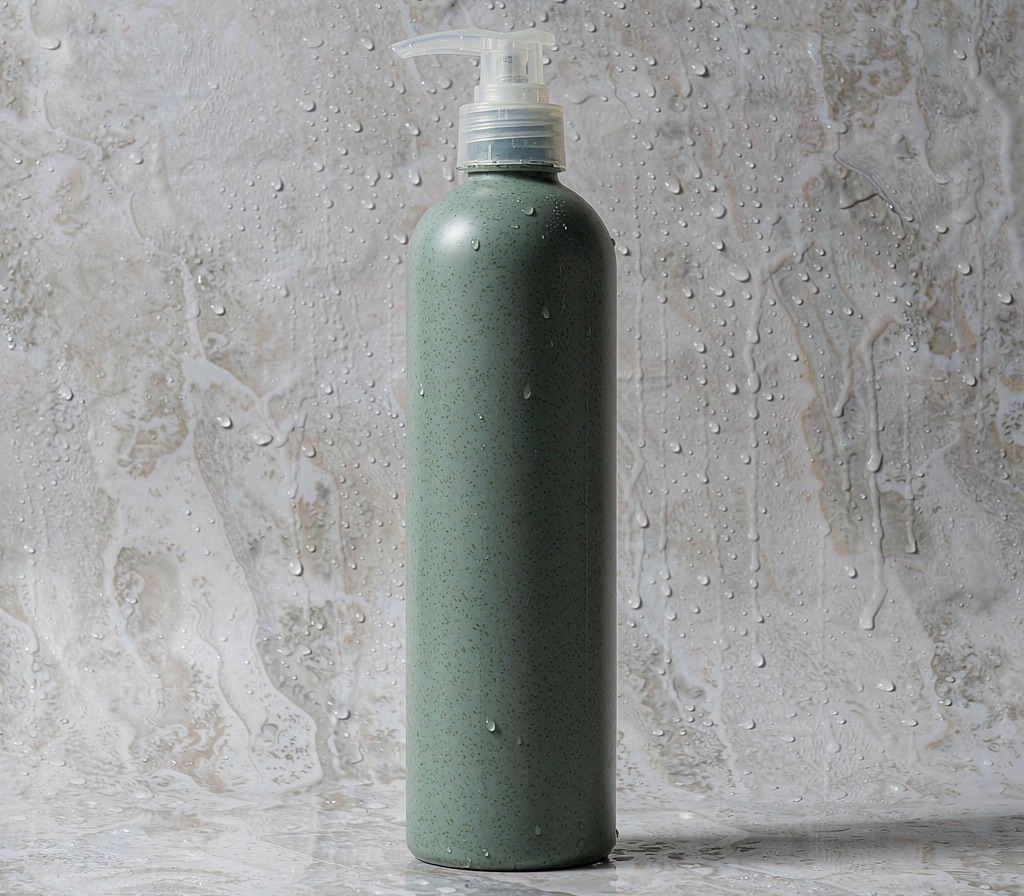
Other cleansing and care builds
Private Label Scalp Serum
The skincare-ification of hair — leave-on scalp treatments with nozzle precision.
Private Label Scalp Tonic
The post-gym scalp reset — cooling botanical tonics in spray format.
Private Label Volumizing Shampoo
Lift at the root, weight everywhere else — fine-hair systems that keep the bounce.
Buyer guides for this build
Before you brief a supplier on this category, these are the guides that answer the questions buyers ask next — timelines, order quantities, cost structure and compliance.
Cleansing and scalp actives, and their levels
INCI names and typical levels reflect publicly documented formulation practice. All values are adjustable in your build.
| Ingredient (INCI) | Typical Level | Function & Benefit |
|---|---|---|
| Caffeine | 0.2–0.5% | Scalp microcirculation story |
| Biotin | 0.1–0.2% | Hair-fiber strength association |
| Serenoa Serrulata Fruit Extract | 0.5–1% | Botanical density positioning |
Hair loss is where compliance discipline pays: 'regrows hair' is a drug claim in most markets, while 'reduces breakage', 'thicker-looking hair' and 'density appearance' are cosmetic. We build the caffeine-biotin-botanical systems customers expect, with claim architecture that keeps you clean.
The routine pairs a daily shampoo with a leave-on scalp serum — the format the category's evidence actually supports. We supply both plus the claim wording pack, so launch content writes itself without legal exposure.
How a wash is released, batch by batch
Manufacturing runs in-house on GMPC and ISO 22716 certified lines under licence 粤妆20250206, and every batch carries traceability from raw material to carton.
Release is against the retained Golden Sample as well as the record: the surfactant ratio, the fill viscosity and the pH are read, and the batch is compared with the approved sample before it is signed off.
Rinse-off is a different physics problem
A cleanser does its work in the seconds before the water arrives, and keeps only what survives dilution and rinsing. The percentage on the label describes the bottle, not the skin — which is why two washes at the same stated level can leave customers with very different experiences of the same claim.
What decides the outcome is the surfactant architecture: how the anionic, amphoteric and non-ionic fractions sit together, how quickly the micelles form, and how much of the active is still bound to the surface once the rinse is done.
Surfactant systems and what each one changes
The route below is a starting point rather than a constraint — a blend can be tuned between two of them without changing the claim it carries.
| System | Lather character | Where it fits |
|---|---|---|
| Sulfosuccinate blend | Low-irritation, modest foam | Baby, sensitive-scalp and daily-use lines |
| Betaine-led blends | Generous foam at a lower raw-material cost | Mass-market and value briefs |
| Glucoside-led | Creamy, finer bubbles, slower to build | Strict sulfate-free and curl-method briefs |
| Sulfate systems | High volume, instant foam | Value and clarifying tiers with no sulfate-free claim |
Every format this base can be filled in
Mixed-variant orders can split the stated MOQ across formats under one brand.
| Format / Specification | MOQ | Lead Time |
|---|---|---|
| Caffeine density shampoo 300 ml | 1,000 pcs | 10–15 days |
| Biotin + botanical scalp shampoo 300 ml | 1,000 pcs | 10–15 days |
| Shampoo + scalp serum density set | 1,000 sets | 10–15 days |
MOQ and lead time above are the standard liquid, cream and gel route. The real minimum is set by the manufacturing system rather than the category: surfactant systems (shampoo, body wash) start at 2,000 pcs, stick formats at 3,000, and powders and sheet masks at 5,000 — with longer production runs to match.
What you can change on this build
- Compliant claim-wording pack per market
- Shampoo, serum or set architecture
- Unisex or men's-focused branding routes
- 90-day usage-period insert cards
How the system is fixed before scale-up
- 1
Set the pH against the claim
pH is adjusted once the blend is complete and verified against the target, because it moves the foam, the viscosity and the comfort of the wash together.
- 2
Tune the sensory profile
Lather density, rinse feel and wet comb-out are assessed on the retained sample rather than described on paper.
- 3
Lock the pH window
pH is specified with a tolerance and verified at fill, because it moves the foam, the viscosity and the comfort of the finished wash together.
- 4
Filter before fill
A filtration step removes undissolved matter that would otherwise show up as specks in a clear bottle.
The questions that come up every time
What claims are legally safe?
'Thicker-looking', 'reduces breakage', 'supports the appearance of density' — cosmetic territory. 'Regrows hair' or 'stops loss' require drug registration; we keep you on the safe side of that line.
Why pair with a leave-on serum?
Rinse-off contact time is short; the leave-on serum carries the treatment positioning and the set structure lifts margin.
How long is the customer usage cycle?
Typically 90 days for perceived results — the insert card sets that expectation honestly, which protects reviews.
Four things that decide how this washes
Sulfate-free without the downgrade
Removing sulfate is straightforward. Keeping the wash experience intact is the work, and it is solved in the blend rather than by adding a polymer at the end.
Deposition is not the same as delivery
A rinse-off carries solids away as easily as it deposits them. Silicones and conditioning polymers are dosed for what survives the rinse rather than for the load in the bottle.
Order of addition changes the batch
Whether the fragrance premix, the polymer or the salt goes in first changes the finished viscosity and sometimes the clarity. The sequence is fixed in the process file rather than left to the operator.
The cap is a dosing decision
How much a customer pours decides how the wash performs. Where the pack delivers an uncontrolled dose, the formula is built to stay acceptable across that range instead of being tuned to one ideal.
Name the market and the price point
Those two answers narrow the surfactant system faster than anything else. Send them and we reply with the route and a full quotation.