Private Label Rosemary Scalp Oil
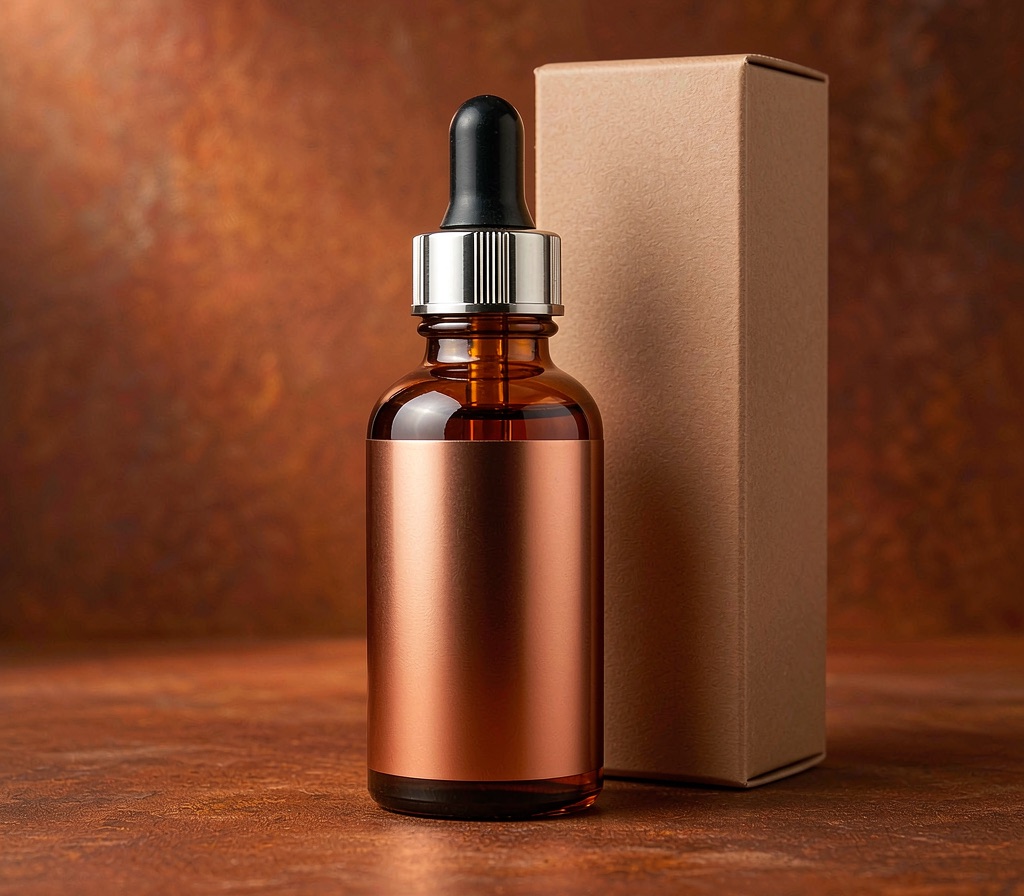
The viral pre-wash ritual — rosemary and castor, dropper by dropper.
What keeps an oil-phase build consistent
Bloom is a surface effect
Waxes and butters can re-crystallise at the surface and leave a whitish film. It is cosmetic rather than a defect, but buyers notice it, so the cooling profile is controlled.
Oxidative stability is the specification
Rancidity shows up as a smell and a colour shift well before it affects performance, and both are controlled against a defined shelf life.
Different tests, not fewer
With no water there is no preservation challenge. Oxidative stability and microbial ingress through the pack take its place.
Crystallisation and graininess
Butters and waxes can crystallise at the wrong temperature and leave a grainy texture, so the cooling curve is part of the process specification.
The oil phase, and what each part does
INCI names and typical levels reflect publicly documented formulation practice. All values are adjustable in your build.
| Ingredient (INCI) | Typical Level | Function & Benefit |
|---|---|---|
| Rosmarinus Officinalis Leaf Oil | 1–3% | Signature stimulating herb |
| Ricinus Communis (Castor) Seed Oil | 20–50% | Classic scalp-nourish base |
| Jojoba Oil | 10–30% | Light-flow dilution |
| Menthol (variant) | 0.05–0.1% | Fresh application cue |
Build the range around it
Private Label Rosemary Shampoo
The herb that went viral for hairlines — rosemary's scalp-first clean.
Private Label Scalp Massage Oil
Ten minutes of ritual, one bottle of calm — the massage oil that de-stresses the day.
Private Label Pre-Wash Scalp Treatment
Ten minutes before the wash — the scalp step nobody knew they needed.
Buyer guides for this build
Before you brief a supplier on this category, these are the guides that answer the questions buyers ask next — timelines, order quantities, cost structure and compliance.
Rosemary scalp oil became the decade's most photographed hair ritual: the dropper, the part-line application, the minty-herbal scent — a pre-wash treatment whose demo is pure content. The formula behind it is simple castor-and-rosemary, and simplicity is the brand.
We balance castor's viscosity with lighter esters so the oil distributes without the midnight-rinse regret, standardize rosemary oil content, and supply the dropper-tip packaging the ritual's videos made canonical.
Oxidation is the failure mode, and it is measurable
Without water there is no microbial risk, so the shelf life is decided by how fast the oils oxidise. That process leaves chemical markers, which means it can be measured rather than judged by smell.
The study follows those markers across the storage window, and the antioxidant system is dosed against the result rather than added at a standard percentage.
The oil-phase systems we build
Each route changes both the sensory result and the shipping requirement — they are not independent choices.
| Route | Feel and behaviour | Typical brief |
|---|---|---|
| Rich paste | High solids, low flow | Repair treatments applied by hand |
| Butter-rich balm | Dense, melts on contact | Ointment and repair formats |
| Wax-structured solid | Firm at room temperature | Sticks, pomades and format-led launches |
| Wax-paste hybrid | Holds shape, spreads thin | Brow and edge products in a stick |
The paperwork that travels with an oil order
Production runs in-house on GMPC and ISO 22716 certified lines under manufacturing licence 粤妆20250206, traceable from raw material to carton on every batch.
Every production order ships with a certificate of analysis, a stability summary, a microbiology report and MoCRA / CPNP-ready documentation.
With no water in the system the reference point is the retained Golden Sample — colour, odour and texture are read against it at release rather than measured in isolation.
Questions we answer on every oil brief
Pre-wash or leave-in?
Both exist — pre-wash (30 min) is the viral method; overnight leave-in suits dry scalps. We include both protocols in the insert.
Why castor oil in every version?
It is the ritual's tradition and its viscosity anchor — light esters keep it spreadable, castor keeps the story intact.
Shelf life of the oil?
18 months with tocopherol and amber glass; rosemary oil is the antioxidant, not the risk.
How the melt and fill are fixed before scale-up
- 1
Set the oil blend
Carrier oils are chosen for the after-feel the brief describes, then checked for how they behave in combination rather than alone.
- 2
Melt and hold the wax phase
Waxes and butters are held above their melting point long enough to clear the crystal memory of the raw material.
- 3
Meter the antioxidant
The antioxidant system is weighed in rather than poured to a mark, because the dose is small and a shelf-life claim rests on it.
- 4
Hold for stability release
The batch is released against oxidative stability results rather than against a calendar date.
Order sizes for each pack format
Mixed-variant orders can split the stated MOQ across formats under one brand.
| Format / Specification | MOQ | Lead Time |
|---|---|---|
| Rosemary + castor scalp oil 60 ml | 1,000 pcs | 10–15 days |
| Rosemary + mint cooling variant | 1,000 pcs | 10–15 days |
| Ritual set (oil + scalp brush) | 1,000 sets | 10–15 days |
MOQ and lead time above are the standard liquid, cream and gel route. The real minimum is set by the manufacturing system rather than the category: surfactant systems (shampoo, body wash) start at 2,000 pcs, stick formats at 3,000, and powders and sheet masks at 5,000 — with longer production runs to match.
Customisation on this build
- Dropper-tip ritual packaging
- Viscosity tuning for distribution
- Scalp-brush set bundling
- Social-demo content pack
Tell us where it ships
Melt point and stability both follow the destination climate. Send the market and we build the wax ratio backwards from it.