Private Label Glossing Treatment
The shine appointment, bottled — acidic gloss for glass-hair finishes.
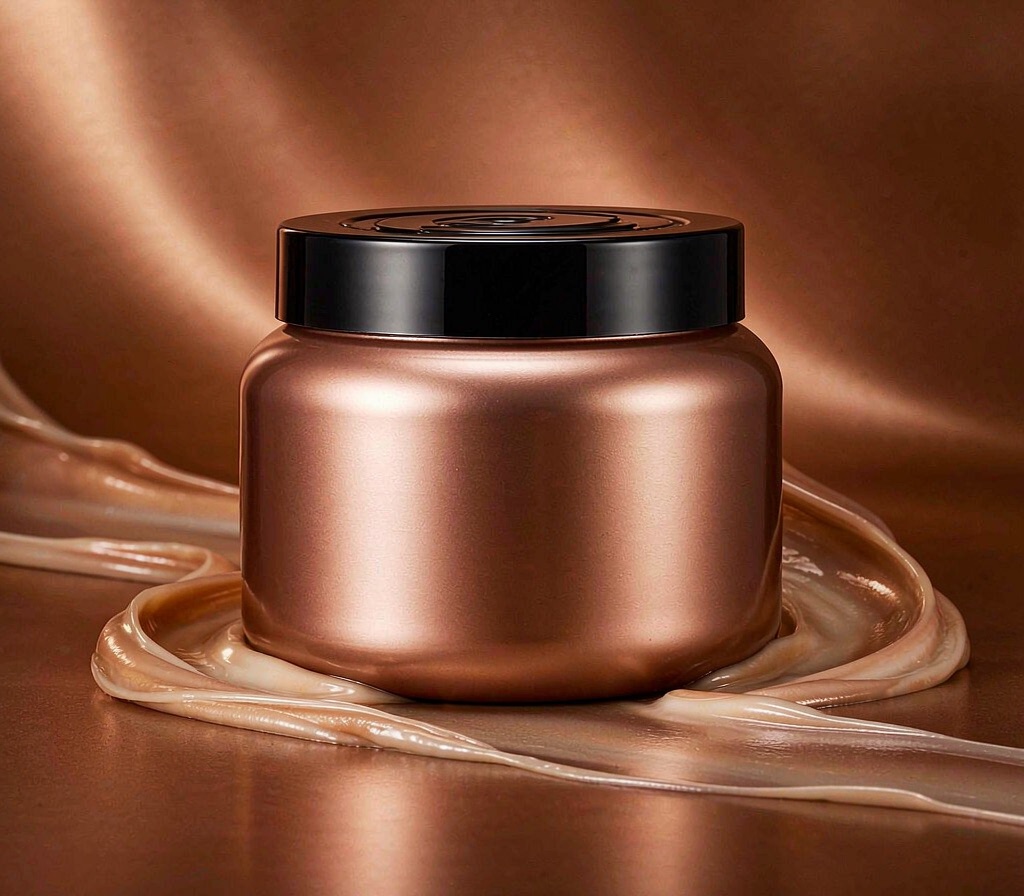
Glossing treatment is the salon's ten-minute shine service in a take-home jar: acidic systems that seal the cuticle flat so light bounces like the 'glass hair' trend demands. The result photographs in one shot — the demo is finished before the stylist speaks.
We build the acid-sealed shine system with film-forming polymers and light-refining silicones (soluble per CG variants available), tune for ten-minute service timing, and support both salon back-bar and retail duo models.
Pack, claim and level options
- Ten-minute service timing
- CG-compliant variant option
- Glass-hair photography protocol
- Back-bar plus retail duo model
Formats and order quantities
Mixed-variant orders can split the stated MOQ across formats under one brand.
| Format / Specification | MOQ | Lead Time |
|---|---|---|
| Glossing treatment 200 ml | 1,000 pcs | 10–15 days |
| Salon liter 1000 ml | 1,000 pcs | 10–15 days |
| Glass-hair set (gloss + serum) | 1,000 sets | 10–15 days |
MOQ and lead time above are the standard liquid, cream and gel route. The real minimum is set by the manufacturing system rather than the category: surfactant systems (shampoo, body wash) start at 2,000 pcs, stick formats at 3,000, and powders and sheet masks at 5,000 — with longer production runs to match.
The stages this fluid passes through
- 1
Build the protection
Chelation, oxygen barrier and light barrier are decided together, because any one alone leaves the product exposed.
- 2
Clarify by filtration
Filtration is matched to the viscosity so the product stays clear without stripping out what gives it body.
- 3
Verify the water first
Purified water is checked against its own specification before anything is added, because it is the majority of the formula.
- 4
Verify dosage across the pack
Where the pack meters a dose, the delivered volume is checked across the life of the pack rather than only when it is full.
The active system and its working levels
INCI names and typical levels reflect publicly documented formulation practice. All values are adjustable in your build.
| Ingredient (INCI) | Typical Level | Function & Benefit |
|---|---|---|
| Citric Acid Seal System | buffer | Cuticle-flattening acidity |
| Phenyl Trimethicone | 0.5–2% | Light-refining shine |
| Hydrolyzed Silk | 0.5–1% | Glass-finish film |
| Camellia Oil | 1–2% | Warm gloss depth |
Where the compliance file comes from
The line is GMPC and ISO 22716 certified, and each batch carries raw-material-to-carton traceability under licence 粤妆20250206.
For a fluid the file is built on the preservation and stability studies run against the finished matrix, with the certificate of analysis, stability summary, microbiology report and MoCRA / CPNP-ready documentation attached to the order. Colour and clarity are read against the retained Golden Sample at release.
Other fluid systems we manufacture
Private Label Hair Botox Treatment
The salon service in a jar — deep smoothing without needles or formaldehyde.
Private Label Hair Shine Spray
The finishing touch — one mist and the light finds the hair.
Private Label Camellia Hair Oil
The geisha's hair secret — tsubaki oil's featherweight gloss.
Buyer guides for this build
Before you brief a supplier on this category, these are the guides that answer the questions buyers ask next — timelines, order quantities, cost structure and compliance.
The number that matters is the assay at the end of shelf life
A fluid can leave the factory at full strength and arrive at month twenty-four below it, because degradation is continuous and invisible until something changes colour. The specification is therefore written against the end of the shelf life, not the day of fill.
That is what sets the overage, and the overage is what sets the cost. A formula that loses a few per cent a year is managed differently from one that holds its level, and the difference shows up in the price per unit.
Fluid routes and what each one has to protect
In a fluid, protection and texture are set by different parts of the system — the route decides which one leads.
| Route | Barrier it needs | Where it fits |
|---|---|---|
| Two-chamber or mix-at-use | Separated phases until activation | Actives that cannot hold a shelf life in solution |
| Emulsion-fluid hybrid | A light oil phase suspended in water | Slip and comfort without the weight of a cream |
| Concentrated serum gel | Airless pump to handle the viscosity | High-load actives sold on a small dose |
| Low-water fluid | Airless or aluminium-barrier pack | Actives sensitive to oxygen and light |
pH, stability and shelf-life questions
Gloss vs. keratin treatment?
Gloss is shine in ten minutes with zero commitment; keratin is weeks of smoothing — different services, complementary shelf.
Color-safe?
Yes — acidic systems actually extend color vibrancy; the color-gloss crossover is the salon's favorite upsell.
CG community acceptance?
Available in the soluble-silicone variant — the community splits on silicones; we serve both readings.
Four levers on shelf life
Headspace grows as it is used
A fluid loses volume and gains headspace with every use. The pack and closure are selected with that change in mind.
Chelation is dosed, not added
Too little chelator leaves trace metals free to catalyse oxidation; too much can undercut the preservation system or shift the pH. The level is set against the water and the raw materials.
Viscosity keeps building after fill
Polymer-thickened fluids can continue to develop structure for days after filling. Specification limits are written for the settled product, not for the freshly made one.
Both ends of the pack's life
An airless pack keeps the product away from air, but it also changes how the last few grams are dispensed. The end of the pack's life belongs in the design as much as the first.
Send the shelf life you need, not just the percentage
Tell us the market, the price tier and how long the product has to stay stable. We reply with the route that fits within 24 hours.