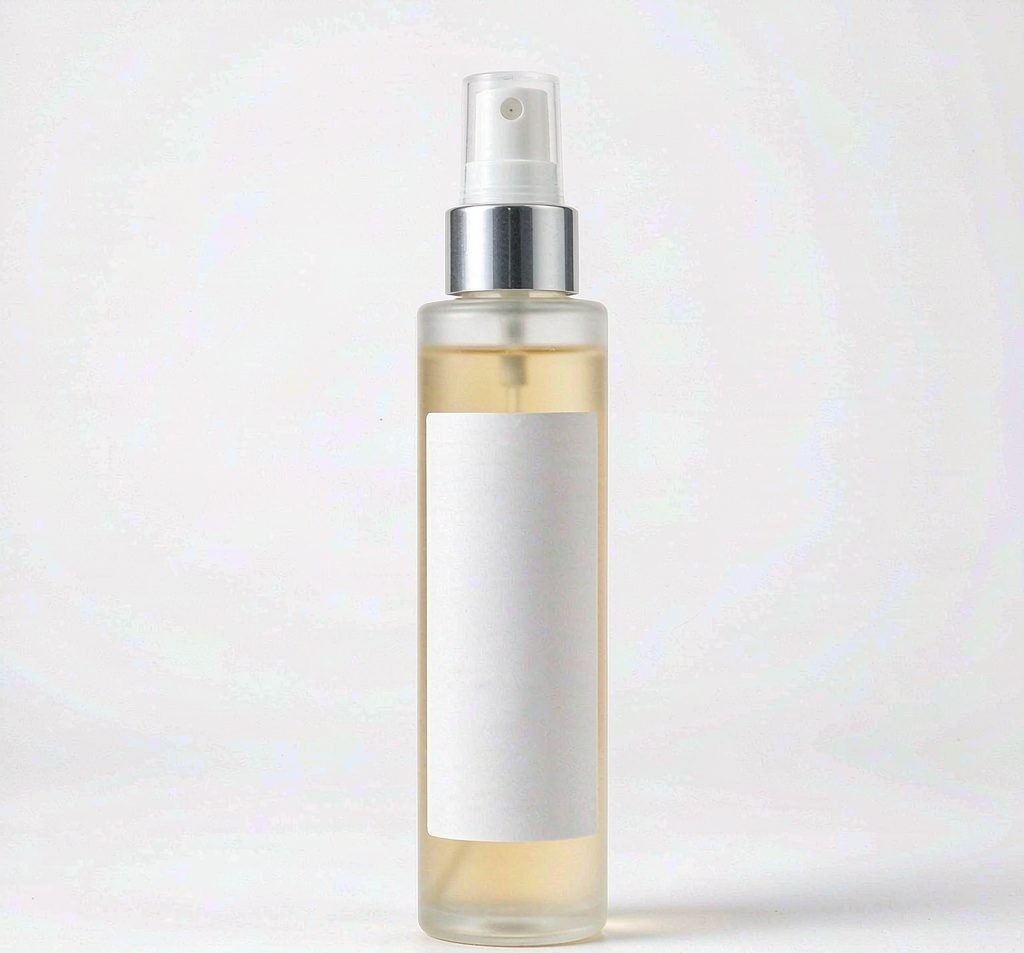
Private Label Camellia Hair Oil
The geisha's hair secret — tsubaki oil's featherweight gloss.
What keeps an oil-phase build consistent
Order of addition matters more here
With no water to dissolve anything, ingredients go in by melting point and solubility. Adding in the wrong sequence can leave a component undispersed.
Silicone or silicone-free slip
Silicones give a predictable glass-like finish. A silicone-free route rebuilds it with esters, and the difference is visible in the hand.
Melt point and the shipping route
A balm that firms in a cold market and slumps in a hot one is a melt-point problem, solved through wax and butter ratios.
Fragrance load reads stronger
Scent in an oil base is released more slowly and stays closer to the skin, so the same percentage behaves differently from a water-based product.
Camellia hair oil imports Japan's oldest hair ritual: tsubaki oil applied to wet ends for a gloss that reads glass, at a weight that never greases. The Japanese minimalism sells the premium; the featherweight feel keeps it.
We cold-press and lightly filter genuine Camellia japonica oil, blend with light esters for the modern quick-absorb read, and design the lacquer-red cap packaging the ritual's story expects.
Build the range around it
Private Label Camellia Serum
The geisha's secret, cold-pressed — tsubaki's satin slip for dry seasons.
Private Label Hair Oil
The gold-standard finishing oil — shine and softness without the grease halo.
Private Label Glossing Treatment
The shine appointment, bottled — acidic gloss for glass-hair finishes.
Buyer guides for this build
Before you brief a supplier on this category, these are the guides that answer the questions buyers ask next — timelines, order quantities, cost structure and compliance.
The paperwork that travels with an oil order
Production runs in-house on GMPC and ISO 22716 certified lines under manufacturing licence 粤妆20250206, traceable from raw material to carton on every batch.
Every production order ships with a certificate of analysis, a stability summary, a microbiology report and MoCRA / CPNP-ready documentation.
With no water in the system the reference point is the retained Golden Sample — colour, odour and texture are read against it at release rather than measured in isolation.
Melt point is a shipping decision
A solid or semi-solid product has to survive a container in summer and a warehouse in winter. That temperature range, not the texture observed in the laboratory, is what sets the wax and butter ratios.
Cycling the finished product through both extremes before release is the only reliable way to know that the melt point you designed is the melt point the customer receives.
Where each route fits a brief
Two blends can sit at the same melt point and feel entirely different in the hand, which is why the oil selection is quoted rather than assumed.
| Route | Feel and behaviour | Typical brief |
|---|---|---|
| Triglyceride blend | Medium body, broad compatibility | Volume lines where cost leads |
| Roll-on or glide solid | Sets firm, moves on contact | Deodorant and spot-application formats |
| Light finishing oil | Fast absorb with low residue | Hair and body oils sold on dry-touch claims |
| Antioxidant-tuned system | Built against rancidity | Oils sold into hot, humid markets |
Formats and order quantities
Mixed-variant orders can split the stated MOQ across formats under one brand.
| Format / Specification | MOQ | Lead Time |
|---|---|---|
| Tsubaki hair oil 60 ml | 1,000 pcs | 10–15 days |
| Camellia + camellia extract dual build | 1,000 pcs | 10–15 days |
| Japanese ritual set (oil + comb) | 1,000 sets | 10–15 days |
MOQ and lead time above are the standard liquid, cream and gel route. The real minimum is set by the manufacturing system rather than the category: surfactant systems (shampoo, body wash) start at 2,000 pcs, stick formats at 3,000, and powders and sheet masks at 5,000 — with longer production runs to match.
How the melt and fill are fixed before scale-up
- 1
Filter for clarity
A warm filtration step removes particulates before the product sets and traps them in place.
- 2
Melt and hold the wax phase
Waxes and butters are held above their melting point long enough to clear the crystal memory of the raw material.
- 3
Screen the pack against the blend
Oils and fragrance can migrate into plastics and liners, so the pack is tested against the finished formula.
- 4
Meter the antioxidant
The antioxidant system is weighed in rather than poured to a mark, because the dose is small and a shelf-life claim rests on it.
What brands ask us about this category
Wet or dry hair?
The Japanese ritual is wet ends first — it seals as hair dries; dry-hair touch-up is the secondary use in the insert.
Why featherweight matters?
Heavy oils betray the premium promise — tsubaki's oleic profile absorbs fast, and our ester blend keeps the glass finish without the grease.
Gift-box fit?
Excellent — the lacquer-red ritual set photographs as a premium gift and carries margin with it.
What can be adjusted on this blend
- Authentic tsubaki sourcing documentation
- Lacquer-red heritage packaging
- Ritual gift set with comb
- Wet-hair application protocol
What the blend is built from
INCI names and typical levels reflect publicly documented formulation practice. All values are adjustable in your build.
| Ingredient (INCI) | Typical Level | Function & Benefit |
|---|---|---|
| Camellia Japonica Seed Oil | 30–70% | Signature featherweight gloss |
| C13-15 Alkane | 20–40% | Quick-absorb slip |
| Squalane | 5–15% | Non-greasy depth |
| Tocopherol | 0.5% | Freshness |
Send the texture you want to match
If there is a product whose feel you want to reproduce, send it. Reverse development rebuilds a comparable base and the approved sample becomes your reference.