Private Label Bond Repair Mask
Repair that goes inside the fiber — bond-support actives for the bleached generation.
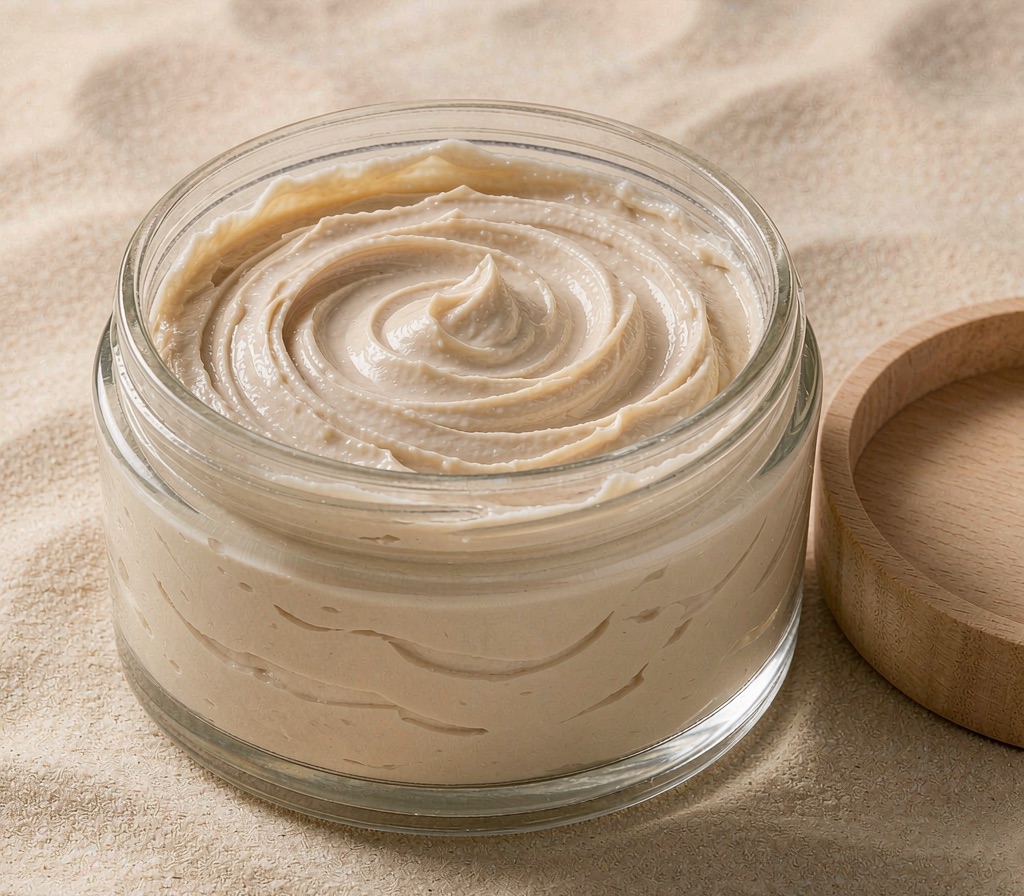
Bond repair is the decade's biggest haircare story: actives that work inside the fiber — reinforcing the disulfide-bridge chemistry bleach and heat break — rather than coating it. The mask format delivers the highest dose of that story in a weekly ritual customers already understand.
Our systems use maleic-acid-class and plant-derived bond-support actives with documented tensile-improvement data, positioned for the bleached and heat-styled audience. The honest claim — 'reduces breakage and reinforces the fiber' — is exactly what this customer wants to read.
Masks that pair with it
Private Label Hair Mask
The weekly intensive that photographs as luxury — rich treatments with measurable results.
Private Label Sulfate-Free Shampoo
Gentle surfactant chemistry with the lather customers still expect — the premium-cleansing default.
Private Label Keratin Smoothing Treatment
Salon smoothing, at home — formaldehyde-free keratin systems activated by the flat iron.
Buyer guides for this build
Before you brief a supplier on this category, these are the guides that answer the questions buyers ask next — timelines, order quantities, cost structure and compliance.
Why the in-use study matters more here
A jar mask meets air and fingers at every use, which is a very different exposure from the sealed shelf life. The in-use preservation study replicates that pattern rather than assuming it away.
Production runs on GMPC and ISO 22716 certified lines under manufacturing licence 粤妆20250206, with traceability from raw material to carton on every batch. Appearance, texture and dwell behaviour are checked against the retained Golden Sample at release.
A mask is a dose delivered under occlusion
Covering the skin changes how anything underneath behaves: water loss falls, skin temperature rises and penetration increases. That is the mechanism every mask works with, whether the carrier is a sheet, a clay or a cream.
It also sets the limit. A product that would be comfortable as a leave-on can become uncomfortable when it is held against the skin for twenty minutes under a film.
The dwell-time formats we produce
Dwell time, removal and the pack all change together — these routes are not interchangeable.
| Format | Release behaviour | Typical brief |
|---|---|---|
| Overnight leave-on | Absorbs fully with no rinsing step | Routines built around sleep |
| Wash-off cream mask | Rinses clean and leaves no residue | Hydration in a short routine step |
| Peel-off | Forms a film, removed in one piece | Formats that demo well in short video |
| Gel mask | Translucent, cooling, no drying | Hydration and after-sun positioning |
What shapes release during the dwell
Appearance in the jar
Clay and cream masks can settle or dry in the pack. Fill level and pack geometry are chosen to keep appearance consistent.
Sheet saturation level
A sheet can hold only so much liquid without dripping. Saturation is tuned against the pack, the shelf life and how the customer applies it.
Drying behaviour can be designed
Whether a clay mask tightens or stays comfortable is decided by the clay blend and the humectant level, not by the clay alone.
Adhesion and fit
A sheet that lifts at the edges is judged a bad mask regardless of what is in it. Cut and material are part of the specification.
What you can change on this build
- Retail or salon-pro formats
- Tensile-improvement documentation
- Sulfate-free aftercare pairing
- Bleached-hair claim wording
How a mask goes from brief to released batch
- 1
Choose the carrier
Clay, cream, gel or substrate, selected for the release behaviour the brief needs rather than for novelty.
- 2
Verify the cut and fit
Cut geometry is checked against the reference so the mask sits the way the approved sample did.
- 3
Hold for microbiological release
Wet formats are released on a microbiological result, and for a jar the in-use study is part of the file.
- 4
Match the pack to the usage
Sachet, tube or jar, chosen against single-use or multi-use consumption patterns in the destination market.
What this mask can be filled into
Mixed-variant orders can split the stated MOQ across formats under one brand.
| Format / Specification | MOQ | Lead Time |
|---|---|---|
| Bond repair intensive mask 200 ml | 1,000 pcs | 10–15 days |
| Bond mask + sulfate-free shampoo set | 1,000 sets | 10–15 days |
| Salon-pro bond system 500 ml | 1,000 pcs | 10–15 days |
MOQ and lead time above are the standard liquid, cream and gel route. The real minimum is set by the manufacturing system rather than the category: surfactant systems (shampoo, body wash) start at 2,000 pcs, stick formats at 3,000, and powders and sheet masks at 5,000 — with longer production runs to match.
The actives and the carrier behind them
INCI names and typical levels reflect publicly documented formulation practice. All values are adjustable in your build.
| Ingredient (INCI) | Typical Level | Function & Benefit |
|---|---|---|
| Maleic Acid derivative systems | 1–2% | Internal bond support |
| Plant-derived bond actives | 1–3% | Clean-route reinforcement |
| Hydrolyzed Keratin | 1–2% | Surface-fiber fill |
The questions that come up every time
How is bond repair different from protein masks?
Proteins coat and fill; bond systems work inside the fiber on broken bridge chemistry. The strongest lines use both, which is what our system does.
Is the claim measurable?
Yes — tensile testing shows breakage-force improvement on bleached fiber samples; the data goes in your claims dossier.
Why pair with sulfate-free shampoo?
The bond work survives only as long as harsh surfactants do not strip it — the aftercare pairing protects the claim window.
Tell us how it comes off
Peel, rinse or leave on — removal is part of the product experience and it changes the base. Send the routine and we quote the format.