Private Label Sulfate-Free Shampoo
Gentle surfactant chemistry with the lather customers still expect — the premium-cleansing default.
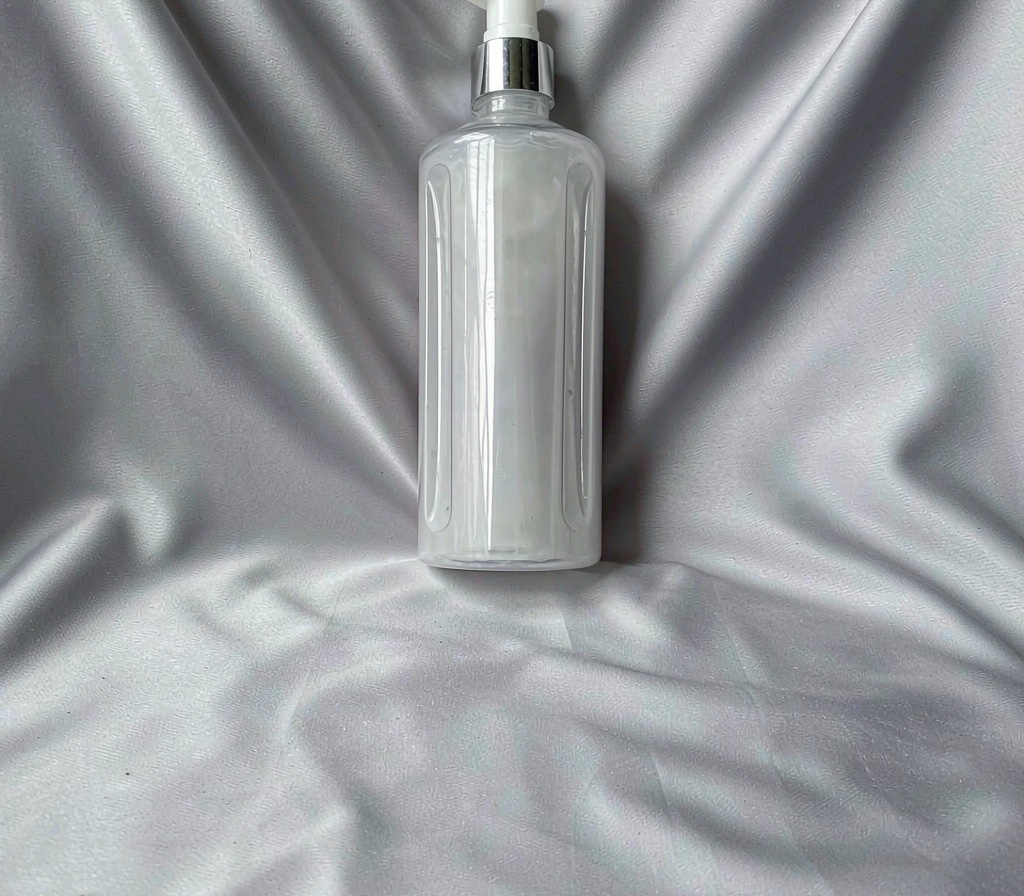
Sulfate-free is no longer a niche — it is the default premium expectation, driven by color-treated and curly-hair customers who learned that harsh anionics strip both. The formulation challenge is real: glucoside systems foam less dramatically, so the craft is lather quality without sulfate.
We build with coco-glucoside and sarcosinate blends tuned for cushioned lather, verified against consumer lather-preference panels. Curly-girl-method compliance (no sulfates, no drying alcohols, optional silicones-free) is a standard route for the textured-hair market.
Surfactant systems, and what each one is actually good at
There is no single best system. There is the system that matches your claim, your cost target and the hair your customer has.
| System | Lather character | Where it wins |
|---|---|---|
| Coco-glucoside led | Creamy, low-bubble, slower to build | The strictest sulfate-free and curly-method briefs; kindest to colour-treated hair |
| Isethionate + glucoside | Dense and cushioned, closest to a conventional wash | Brands whose customers will not accept a lather downgrade |
| Sarcosinate blend | Fast-building, clean rinse-off | Daily-wash lines where residual feel matters more than cushion |
| Sulfate systems | Big volume, instant foam | Value and clarifying tiers, when the label does not have to say sulfate-free |
Why sulfate-free lather feels different — and why that is not a defect
Sulfate surfactants are small, anionic and very efficient at forming the film that traps air. Sugar-derived glucosides are larger molecules with a different packing behaviour: they build foam more slowly and the bubbles are finer, so the wash reads as creamier rather than bubblier.
Customers who grew up on big foam interpret that as 'not cleaning'. The craft is not to fake the foam — it is to build a lather that is dense enough to feel like work is happening, and to hold viscosity so the product still behaves like a shampoo in the hand.
That is a rheology question as much as a surfactant one, and it is where most sulfate-free launches get their negative reviews.
Formats we can put this system into
Mixed-variant orders can split the stated MOQ across formats under one brand.
| Format / Specification | MOQ | Lead Time |
|---|---|---|
| Color-safe sulfate-free 300 ml | 1,000 pcs | 10–15 days |
| CGM-compliant cleansing base 300 ml | 1,000 pcs | 10–15 days |
| Sulfate-free + bond-care duo | 1,000 sets | 10–15 days |
MOQ and lead time above are the standard liquid, cream and gel route. The real minimum is set by the manufacturing system rather than the category: surfactant systems (shampoo, body wash) start at 2,000 pcs, stick formats at 3,000, and powders and sheet masks at 5,000 — with longer production runs to match.
Cleansing and scalp care actives
| Ingredient (INCI) | Typical Level | Function & Benefit |
|---|---|---|
| Coco-Glucoside | 8–12% | Sugar-derived gentle cleansing |
| Sodium Cocoyl Isethionate | 3–6% | Creamy sulfate-free lather |
| Glycerin | 1–3% | Scalp comfort |
What a lather panel is asked to judge
Lather is not measurable with an instrument the way pH is, so it is judged by people — consistently, and against the sample you approved.
Flash foam
How much lather forms in the first ten seconds, which is what customers read as 'it works'.
Cushion
Whether the foam feels dense or thin against the scalp — the single biggest driver of premium perception.
Rinse feel
Whether hair squeaks or retains slip when the water runs clear.
Wet comb-out
How the hair behaves immediately after the wash, before any conditioner is applied.
Claim routes and variants on this build
- Color-safe and CGM claim routes
- Silicone-free variant for clean shelves
- Matching sulfate-free conditioner
- Lather-quality sensory verification
What ships with a shampoo order
Filling runs on GMPC and ISO 22716 certified lines in-house under licence 粤妆20250206, traceable from raw material to carton on each batch.
For a surfactant-led product the batch record pins the surfactant ratio, the viscosity reading and the pH at fill, because those three numbers are what decide whether the bottle your customer opens behaves like your approved sample. The certificate of analysis, stability summary, microbiology report and MoCRA / CPNP-ready documentation ship with every order, and each batch is checked against the retained Golden Sample before release.
What buyers ask before their first sulfate-free run
Does sulfate-free clean as well?
Yes for normal washing frequency — the surfactant class differs, not the cleaning. Lather feels creamier rather than bubblier, which panels accept readily.
What is CGM compliance?
The Curly Girl Method excludes sulfates, drying alcohols and (strictly) silicones; we build both strict and relaxed versions depending on your audience.
Is sulfate-free worth the cost premium?
For color-safe and premium positioning, it is now table stakes — customers read the label before the price.
Build the whole wash-day routine
Private Label Color Protect Shampoo
Fade defense for the colored-hair economy — sulfate-free systems with UV-assist filters.
Private Label Hair Conditioner
The repeat-purchase anchor of every hair line — detangling emulsions by texture tier.
Private Label Deep Conditioner
The curly-routine staple — long-dwell moisture systems for texture methods.
Buyer guides for this build
Before you brief a supplier on this category, these are the guides that answer the questions buyers ask next — timelines, order quantities, cost structure and compliance.
Bring us the hair type, we will bring the system
Tell us whether your customer is colour-treated, curly or fine, and what their current wash feels like. We match the surfactant system and quote within 24 hours.