Private Label Feminine Wash
pH 3.8–4.5, extra-mild surfactants, and claims that survive scrutiny.
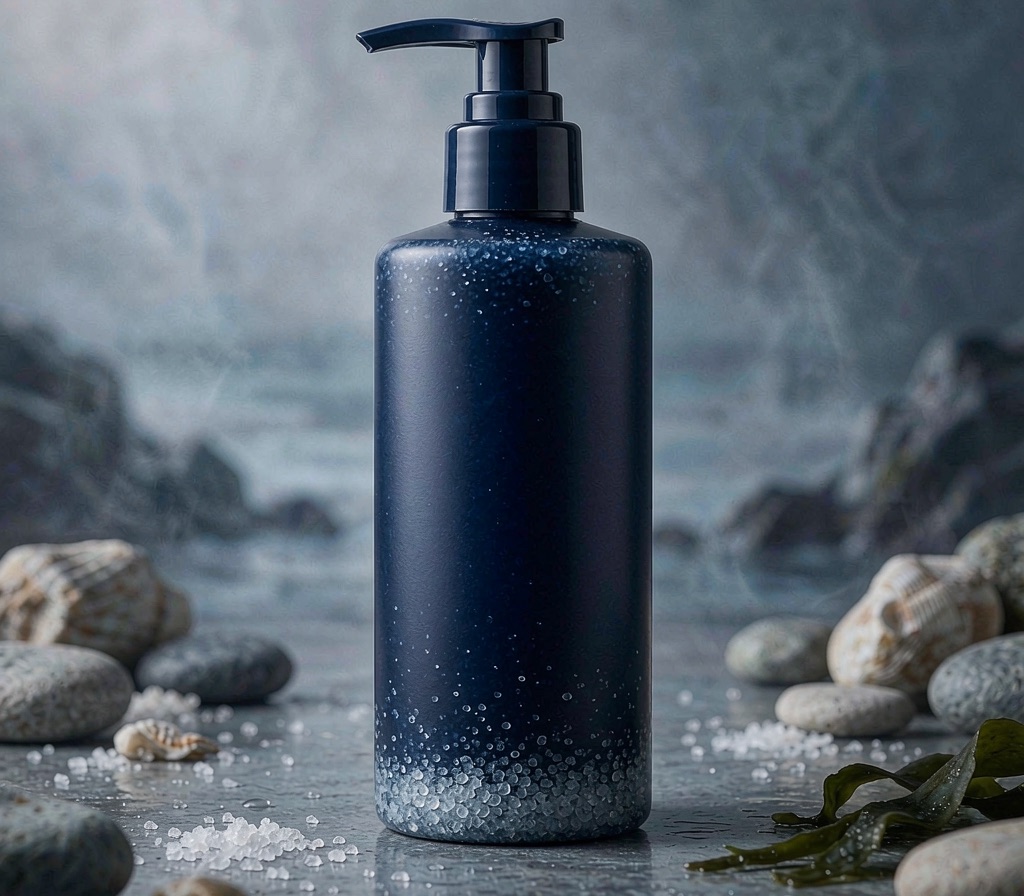
In a rinse-off, deposition is the whole game
A leave-on keeps whatever you put into it. A wash keeps only what manages to deposit on the surface and stay there against the next rinse — a much smaller number, and a much harder one to control.
Deposition depends on charge, molecular weight and the dilution profile, so it is engineered with the polymer and the surfactant architecture together. Measuring the load in the bottle tells you nothing about it.
The systems we build this wash on
None of these is a downgrade of another. They are different answers to different briefs.
| System | Lather character | Where it fits |
|---|---|---|
| Glucoside and glycinate | Creamy and dense at the same time | Premium facial cleansers and body washes |
| Isethionate blend | Dense and cushioned, close to conventional | Brands that cannot accept a lather downgrade |
| Glucoside-led | Creamy, finer bubbles, slower to build | Strict sulfate-free and curl-method briefs |
| Sulfosuccinate blend | Low-irritation, modest foam | Baby, sensitive-scalp and daily-use lines |
Feminine wash is a high-growth category with a high-compliance bar: pH in the 3.8–4.5 physiological range, the mildest surfactant systems we run, and claim wording that differs sharply by market. Get the file right and it is a defensible, loyal segment.
We build on amphoteric-only cleansers with lactic acid pH control, run the regulatory wording review per destination market before sampling, and package discreetly — a category where the unboxing matters as much as the formula.
Actives and the levels they work at
INCI names and typical levels reflect publicly documented formulation practice. All values are adjustable in your build.
| Ingredient (INCI) | Typical Level | Function & Benefit |
|---|---|---|
| Coco-Glucoside | 5–8% | Extra-mild primary |
| Lactic Acid | 0.2–0.5% | Physiological pH control |
| Aloe Barbadensis Leaf Juice | 2–5% | Comfort botanical |
Where lather and mildness pull against each other
Viscosity that survives the bottle
A wash that thickens on the bench and thins on the shelf is usually an electrolyte or polymer balance issue rather than a defective raw material.
The lather question
Sugar-derived surfactants build foam more slowly and in finer bubbles. That reads as creamier rather than weaker, and it is a rheology problem before it is a surfactant one.
pH and comfort pull apart
Skin-friendly washes sit closer to skin pH than to the pH that produces the biggest foam. The two goals work against each other and the brief has to choose.
Thickening is a balance, not an addition
Salt thickens a surfactant system only inside a narrow range; past the peak it thins again. The peak sits at a different point for every blend, so it is found per formula rather than assumed.
Formulas that sit beside this one
Private Label Gentle Foaming Wash
Sensitive skin's body wash — foam that cleans by being gentle.
Private Label Body Powder
Talc-free by design — the powder that made the category trustable again.
Private Label Aloe Body Gel
The green bottle every household owns — aloe done honestly.
Buyer guides for this build
Before you brief a supplier on this category, these are the guides that answer the questions buyers ask next — timelines, order quantities, cost structure and compliance.
How we take a wash from brief to released batch
- 1
Filter before fill
A filtration step removes undissolved matter that would otherwise show up as specks in a clear bottle.
- 2
Pre-disperse the fragrance
Fragrance and any oil-soluble components are pre-mixed before they meet the surfactant matrix, so they disperse evenly instead of clouding the batch.
- 3
Check clarity at the cold end
The batch is cooled to the coldest shelf the product will see and checked for haze, which is where a marginally soluble component shows up first.
- 4
Hold for microbiological release
The batch waits for its microbiological result rather than shipping against a pending one.
How a wash is released, batch by batch
Manufacturing runs in-house on GMPC and ISO 22716 certified lines under licence 粤妆20250206, and every batch carries traceability from raw material to carton.
Release is against the retained Golden Sample as well as the record: the surfactant ratio, the fill viscosity and the pH are read, and the batch is compared with the approved sample before it is signed off.
Questions we answer on every cleansing brief
Why is the claim file critical?
Intimate care wording is regulated differently per market — some words trigger drug classification. We review wording before sampling, not after.
pH documentation?
Every batch's pH is recorded and available; pH 3.8–4.5 is a spec, not a marketing number.
Fragrance?
Fragrance-free is the safest default and the best-seller; light scented variants exist but we recommend launching without.
Where this formula can be adjusted
- pH 3.8–4.5 QC with each batch
- Market-specific claim review
- Discreet packaging design
- Fragrance-free default
Every format this base can be filled in
Mixed-variant orders can split the stated MOQ across formats under one brand.
| Format / Specification | MOQ | Lead Time |
|---|---|---|
| Feminine wash 200 ml pump | 1,000 pcs | 10–15 days |
| Fragrance-free variant | 1,000 pcs | 10–15 days |
| Intimate line duo (wash + mist) | 1,000 sets | 10–15 days |
MOQ and lead time above are the standard liquid, cream and gel route. The real minimum is set by the manufacturing system rather than the category: surfactant systems (shampoo, body wash) start at 2,000 pcs, stick formats at 3,000, and powders and sheet masks at 5,000 — with longer production runs to match.
Start with how the wash should feel
Tell us the hair or skin type, the claim you need and the price tier you are selling into. We match the surfactant system and reply with a full quotation within 24 hours.