Private Label Bath Oil
The soak that leaves skin soft — and the tub safe to stand in.
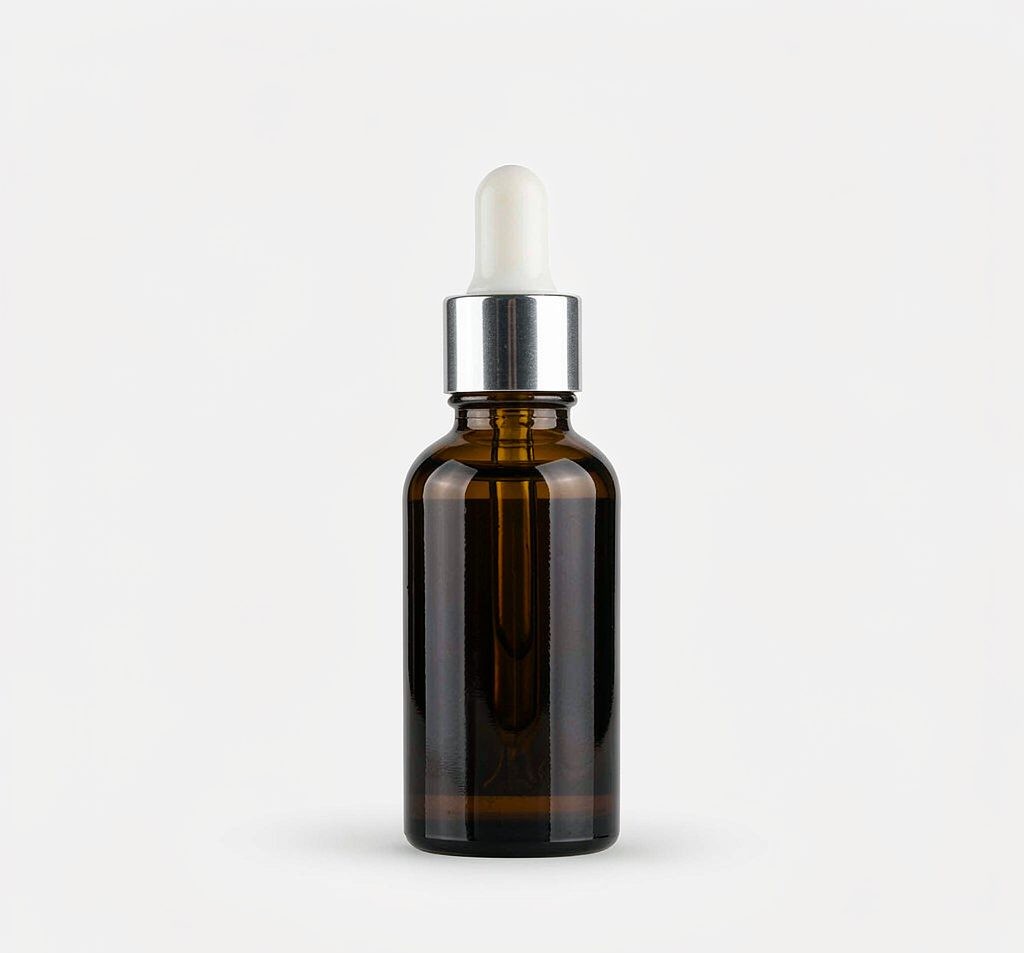
The carrier system and its working levels
INCI names and typical levels reflect publicly documented formulation practice. All values are adjustable in your build.
| Ingredient (INCI) | Typical Level | Function & Benefit |
|---|---|---|
| Caprylic/Capric Triglyceride | 40–60% | Softening base oil |
| PEG-40 Hydrogenated Castor Oil | 2–5% | Water dispersal |
| Tocopherol | 0.5% | Oil stability |
Bath oil's technical bar is dispersion: oil that clouds into water instead of floating as a slick that leaves the tub dangerous. Get dispersion right and the customer gets soft skin out of the soak — the category's entire value promise.
We build PEG-free dispersing systems on natural esters, verify the tub-safety test as a release gate, and package in glass with the dropper or pour lip that makes dosing feel premium.
The questions that come up every time
Why disperse instead of float?
Floating oil slicks the surface, coats skin unevenly and leaves the tub hazardous. Dispersed oil contacts skin during the whole soak.
Botanical suspension shelf life?
Flower petals in oil are stable 18 months in amber glass with tocopherol; we verify per botanical.
Difference from shower oil?
Shower oil emulsifies on wet skin and rinses; bath oil disperses in the tub and soaks. Different jobs, both worth a page.
Every format this base can be filled in
Mixed-variant orders can split the stated MOQ across formats under one brand.
| Format / Specification | MOQ | Lead Time |
|---|---|---|
| Bath oil 200 ml glass | 1,000 pcs | 10–15 days |
| Botanical-suspension variant | 1,000 pcs | 10–15 days |
| Spa trio set | 1,000 sets | 10–15 days |
MOQ and lead time above are the standard liquid, cream and gel route. The real minimum is set by the manufacturing system rather than the category: surfactant systems (shampoo, body wash) start at 2,000 pcs, stick formats at 3,000, and powders and sheet masks at 5,000 — with longer production runs to match.
What can be adjusted on this blend
- Dispersal + tub-safety testing
- Botanical suspension (flowers in oil)
- Glass bottle library
- Spa-set bundling
How the melt and fill are fixed before scale-up
- 1
Set the oil blend
Carrier oils are chosen for the after-feel the brief describes, then checked for how they behave in combination rather than alone.
- 2
Blend in descending temperature
Ingredients go in as the batch cools, in the order their melting points dictate, so nothing meets a phase it cannot disperse in.
- 3
Fill warm, cool in the pack
The product is filled while it still flows and finishes setting in its own container, which is what fixes the surface appearance.
- 4
Filter for clarity
A warm filtration step removes particulates before the product sets and traps them in place.
In an anhydrous base the carrier is the product
A finishing oil, a balm or a wax is judged almost entirely on feel — how fast it absorbs, how much slip it leaves, whether it reads as luxurious or greasy. With no water to carry a texture, every sensory property comes from the oil phase itself.
That makes oil selection the most consequential decision in the brief, and it makes the melt point a shipping consideration rather than a laboratory one.
Anhydrous routes and what each one is built for
Two blends can sit at the same melt point and feel entirely different in the hand, which is why the oil selection is quoted rather than assumed.
| Route | Feel and behaviour | Typical brief |
|---|---|---|
| Dry-touch ester blend | Absorbs quickly, matte finish | Body oils positioned against a greasy feel |
| Structured balm | High melt point, protective film | Barrier and winter-positioned products |
| Wax-structured solid | Firm at room temperature | Sticks, pomades and format-led launches |
| Roll-on or glide solid | Sets firm, moves on contact | Deodorant and spot-application formats |
What keeps an oil-phase build consistent
Different tests, not fewer
With no water there is no preservation challenge. Oxidative stability and microbial ingress through the pack take its place.
Fragrance behaves differently in oil
Scent develops more slowly and lasts longer in oil than in water, and the load is set for that behaviour rather than for a water-based reference.
Antioxidants slow, they do not stop
Vitamin E is not a preservative. The dose is set against the shelf life you intend to claim rather than added as a standard line.
Melt point and the shipping route
A balm that firms in a cold market and slumps in a hot one is a melt-point problem, solved through wax and butter ratios.
Why oxidative stability leads the file here
An anhydrous product does not fail by contamination; it fails by going rancid, and that process is slow enough to be missed by a bench check taken on the day of fill.
Production runs on GMPC and ISO 22716 certified lines under manufacturing licence 粤妆20250206, with traceability from raw material to carton on every batch and the retained Golden Sample held as the release reference.
Build the range around it
Private Label Shower Oil
The luxury shower upgrade — oil that milks on contact with water and leaves skin gliding.
Private Label Bath Milk
The Cleopatra SKU — a milky soak that feels as expensive as its story.
Private Label Body Oil
The post-shower glow ritual — botanical oils that turn hydration into an occasion.
Buyer guides for this build
Before you brief a supplier on this category, these are the guides that answer the questions buyers ask next — timelines, order quantities, cost structure and compliance.
Send the texture you want to match
If there is a product whose feel you want to reproduce, send it. Reverse development rebuilds a comparable base and the approved sample becomes your reference.