Private Label Bath Milk
The Cleopatra SKU — a milky soak that feels as expensive as its story.
The choices that fix texture and shelf life
A gel-cream is not a thin cream
A gel-cream breaks on contact while a cream spreads and stays put. Customers read that difference immediately, so the two are treated as separate formats rather than one with less oil.
Emulsifier level is a narrow window
Too little and the system separates; too much and it drags on application and feels soapy. The window is found by trial rather than calculated.
The oil phase sets the feel
Emollient choice decides absorbency, slip and after-feel. It is the single biggest lever on whether the product reads as premium or value tier.
Preservation across two phases
An emulsion splits a preservative between oil and water. Efficacy is tested against the finished matrix, because partitioning can leave the water phase under-protected.
The first ten seconds are decided by the volatiles
What a customer feels at application is largely the volatile fraction leaving — the light esters and silicones that evaporate or absorb first. That is what makes a cream read as fast-absorbing, and it is independent of how emollient the product really is.
Tuning that first impression means choosing the volatile fraction deliberately and keeping it separate from the long-acting emollients that decide how skin feels an hour later. The two are doing different jobs.
Emulsion systems and the textures they give
The route fixes the texture, the melt behaviour and the fill temperature at the same time, so it is usually settled early.
| Route | Texture character | Typical brief |
|---|---|---|
| Polymeric-stabilised | Light body at a low emulsifier load | Sprays and fluid lotions |
| Cold-process | Fresh, light texture | Actives that cannot take a heated oil phase |
| Light lotion | Fast-absorbing with little residue | Volume body and face lines sold on daily use |
| Non-ionic-emulsified | Neutral, skin-compatible feel | Sensitive-skin and premium lines |
The route an emulsified base takes through production
- 1
Hold for microbiological release
The batch is released on a microbiological result rather than on a production schedule.
- 2
Set the phase temperatures
Oil and water phases are heated to matched temperatures so the emulsion forms evenly rather than shocking one phase into the other.
- 3
Confirm the fill on the line
Fill weight and appearance are verified on the production line, because a base that behaves well on the bench can still trap air in a filler.
- 4
Run the freeze-thaw cycle
Where the shipping route can freeze, the batch is cycled through it before release, because that test finds what a static study misses.
What you can change on this build
- Clump-free dispersion QC
- Apothecary jar packaging
- Botanical variant development
- Spa-channel pricing
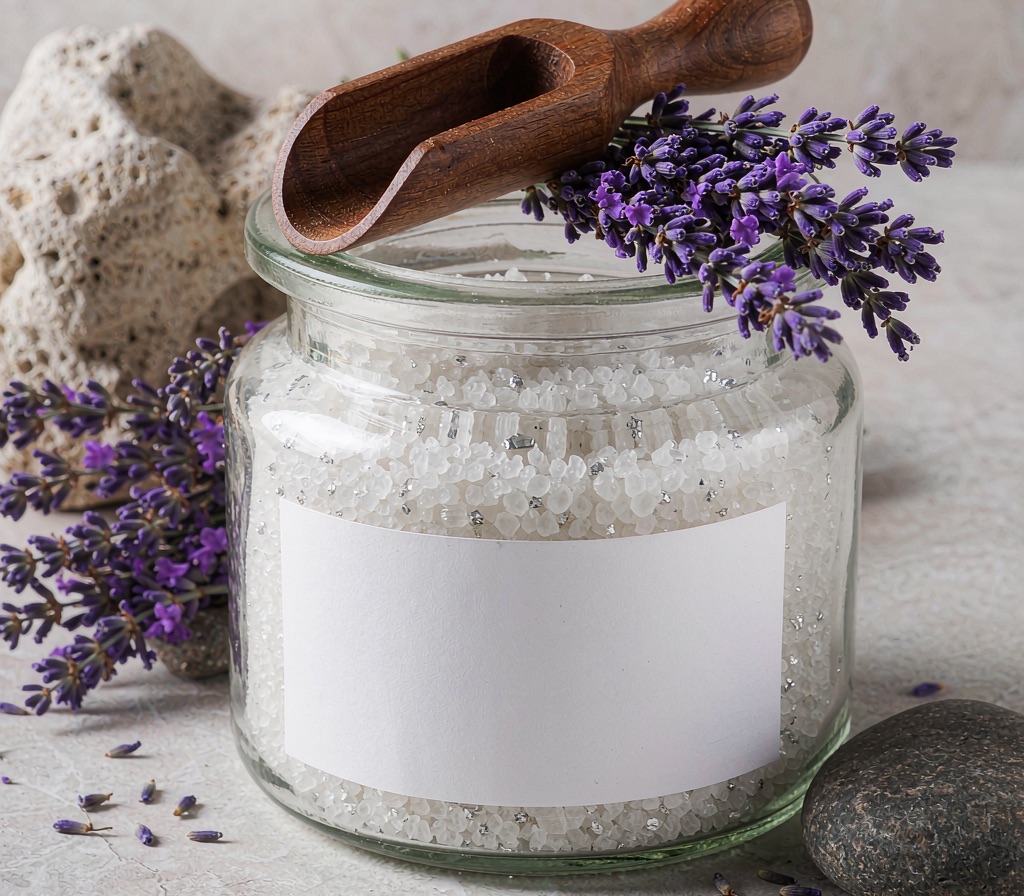
Bath milk is the spa-prestige lane of bathing: a powder soak that disperses into an opaque, silky bath water — colloidal oat and milk powders doing the softening while the story does the selling. It is the SKU that makes a bath line read premium.
We formulate dispersible powder systems (the tech is in the dispersion — clumping is the category's classic failure), add calming botanicals, and package in the apothecary-style jars spa retail expects.
How a cream is released, batch by batch
Emulsification and filling run in-house on GMPC and ISO 22716 certified lines under licence 粤妆20250206, with each batch traceable from raw material to carton.
Release reads viscosity, pH and appearance at fill and compares the batch with the retained Golden Sample, because texture is the property a number describes least well.
The questions that come up every time
Powder clumping — how do you prevent it?
Particle-size engineering and anti-caking blends; dispersion is our release test — the powder must cloud evenly in 30 seconds.
Vegan option?
Yes — oat-and-coconut-milk systems replace dairy while keeping the milky visual.
Who buys bath milk?
Spa retail, premium hampers, and the self-care-ritual customer — it lifts a line's price ceiling.
The actives carried in the oil phase
INCI names and typical levels reflect publicly documented formulation practice. All values are adjustable in your build.
| Ingredient (INCI) | Typical Level | Function & Benefit |
|---|---|---|
| Colloidal Oatmeal | 20–40% | Softening comfort soak |
| Nonfat Dry Milk | 20–40% | Classic milky dispersal |
| Sodium Bicarbonate | 20–30% | Dispersion and softness |
Buyer guides for this build
Before you brief a supplier on this category, these are the guides that answer the questions buyers ask next — timelines, order quantities, cost structure and compliance.
Formats we fill this emulsion into
Mixed-variant orders can split the stated MOQ across formats under one brand.
| Format / Specification | MOQ | Lead Time |
|---|---|---|
| Bath milk jar 400 g | 1,000 pcs | 10–15 days |
| Oat-and-honey variant | 1,000 pcs | 10–15 days |
| Spa set (milk + salt + oil) | 1,000 sets | 10–15 days |
MOQ and lead time above are the standard liquid, cream and gel route. The real minimum is set by the manufacturing system rather than the category: surfactant systems (shampoo, body wash) start at 2,000 pcs, stick formats at 3,000, and powders and sheet masks at 5,000 — with longer production runs to match.
Tell us where it will be stored
A hot, humid market and a temperate one need different melt points from the same brief. Send the destination and we quote against it.