Private Label Redness Relief Cream
Turn the temperature down — visible-calm comfort for reactive skin.
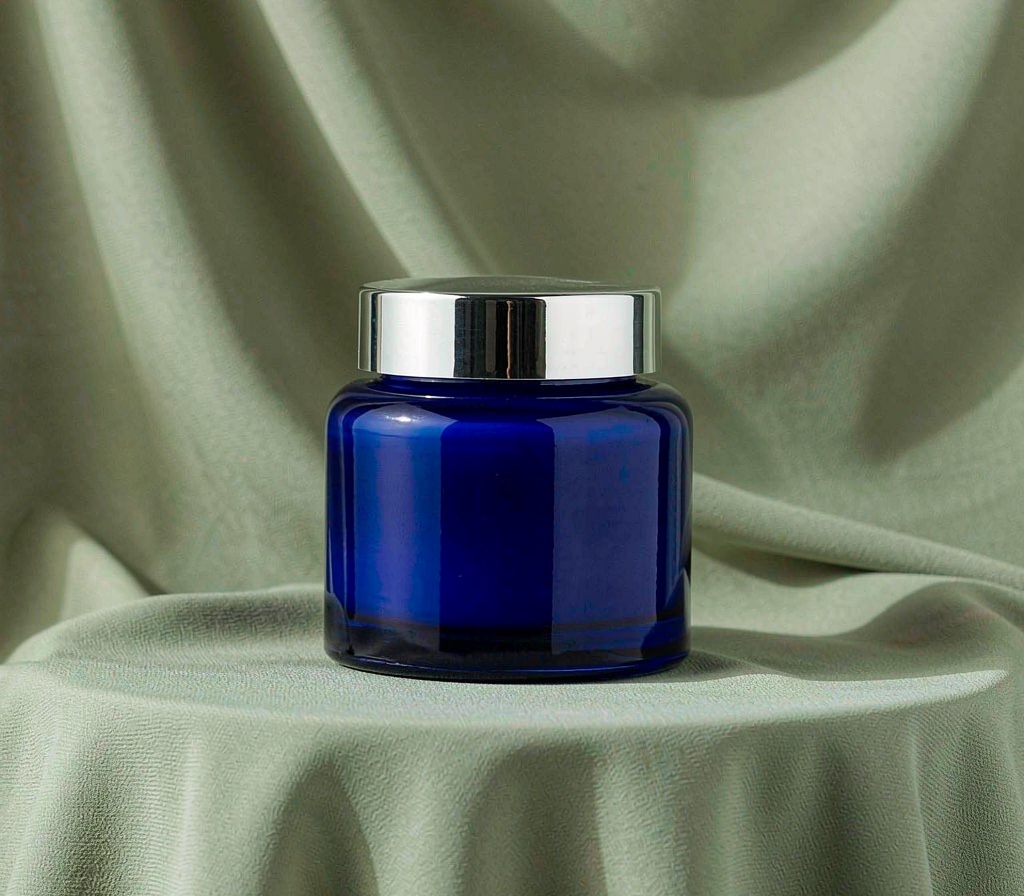
The pack is part of the emulsion
A jar exposes the surface to air and fingers at every use; an airless pump does not. The same formula can carry a different preservation strategy and a different shelf life depending on which one it is filled into.
That is why the pack is chosen early rather than at the end. Selecting it after the formula is fixed usually means revisiting the preservation study, and sometimes the emulsifier system as well.
Emulsion routes and what each one is built for
Texture is the first thing a customer judges and the last thing a formula gives up cheaply — the route matters more than the wording.
| Route | Texture character | Typical brief |
|---|---|---|
| Milk | Very low viscosity, spreadable | Body and large-format applications |
| Structured balm | High melt point, protective film | Barrier repair and winter edits |
| Non-ionic-emulsified | Neutral, skin-compatible feel | Sensitive-skin and premium lines |
| Cold-process | Fresh, light texture | Actives that cannot take a heated oil phase |
How an emulsion goes from brief to released batch
- 1
Fix the pack before the studies
Jar, tube or airless pump is settled early, because the pack decides what the preservation and stability studies have to demonstrate.
- 2
Build the rheology
Thickener and fatty alcohol levels are tuned to reach the viscosity and yield point the pack format needs.
- 3
Run the freeze-thaw cycle
Where the shipping route can freeze, the batch is cycled through it before release, because that test finds what a static study misses.
- 4
Cycle against the destination
Heat, cold and freeze-thaw cycling replicate the shipping route before the batch is released.
Redness relief cream serves the customer whose face announces every trigger: heat, wine, stress. The formula stacks soothing actives (centella, allantoin, licorice) with vaso-look support and a physical cooling feel — because sensory relief is proof in this category.
We exclude the known trigger list (denatured alcohol, fragrance, menthol fakes), verify redness-look reduction with image analysis panels, and position honestly: comfort and visible calm, never 'cures rosacea'.
The choices that fix texture and shelf life
Occlusivity is measurable
How far a cream reduces water loss can be quantified, and it tracks the oil phase and the film it leaves rather than the word used on the front of the pack.
Challenge the preservative in the matrix
A challenge test run in water says little about the same preservative inside a cream, because it partitions between the two phases. The study runs against the product as filled.
Thickeners change everything
Carbomer, xanthan and fatty alcohols each give a different texture and a different thermal behaviour. Changing one changes the whole sensory profile.
The pack is part of the barrier
A jar, an airless pump and a tube expose the formula to very different amounts of air and finger contact. The pack changes the preservation requirement.
The questions that come up every time
Can it treat rosacea?
No cosmetic treats disease — it visibly calms redness look and comfort; we supply compliant wording that survives review in both markets.
Why no menthol for the cooling feel?
Menthol triggers the very flushing this customer fights; the cooling comes from emulsion physics and oat actives instead.
Morning over serum?
Yes — it seals the routine and sits fine under SPF; we diagram the sensitive-skin stack for your PDP.
The paperwork that travels with a cream order
Manufacturing takes place in-house under GMPC and ISO 22716 certification, licence 粤妆20250206, with raw-material-to-carton traceability on each batch.
Every production order ships with a certificate of analysis, a stability summary, a microbiology report and MoCRA / CPNP-ready documentation.
Texture is the hardest property to describe in numbers, so the retained Golden Sample is kept on file as the reference a batch is released against, alongside the viscosity and pH readings on the record.
What this base can be filled into
Mixed-variant orders can split the stated MOQ across formats under one brand.
| Format / Specification | MOQ | Lead Time |
|---|---|---|
| Redness relief cream 50 ml | 1,000 pcs | 10–15 days |
| Redness set (serum + cream) | 1,000 sets | 10–15 days |
| Sensitive kit (cleanser + serum + cream) | 1,000 sets | 10–15 days |
MOQ and lead time above are the standard liquid, cream and gel route. The real minimum is set by the manufacturing system rather than the category: surfactant systems (shampoo, body wash) start at 2,000 pcs, stick formats at 3,000, and powders and sheet masks at 5,000 — with longer production runs to match.
What you can change on this build
- Image-analysis redness panel data
- Trigger-ingredient exclusion list
- Cooling sensorial verification
- Rosacea-safe wording review
Complete the routine
Private Label Cica Cream
The tiger-grass jar — madecassoside comfort for stressed skin.
Private Label Centella (Cica) Serum
Cica serums from calming water to standardized madecassoside — the K-beauty heritage active.
Private Label Barrier Repair Serum
The post-exfoliation era's essential — lipid-identical repair in a serum texture.
Buyer guides for this build
Before you brief a supplier on this category, these are the guides that answer the questions buyers ask next — timelines, order quantities, cost structure and compliance.
The functional system behind the texture
INCI names and typical levels reflect publicly documented formulation practice. All values are adjustable in your build.
| Ingredient (INCI) | Typical Level | Function & Benefit |
|---|---|---|
| Centella Asiatica Extract | 2–5% | Botanical calming |
| Glycyrrhetinic Acid | 0.2–0.5% | Licorice-derived soothing |
| Allantoin | 0.5% | Comfort support |
| Hydrolyzed Oat Protein | 1–2% | Avenanthamide calm |
Tell us where it will be stored
A hot, humid market and a temperate one need different melt points from the same brief. Send the destination and we quote against it.