Private Label Hair Serum
The smoothing authority — film systems that shut down frizz in humid climates.
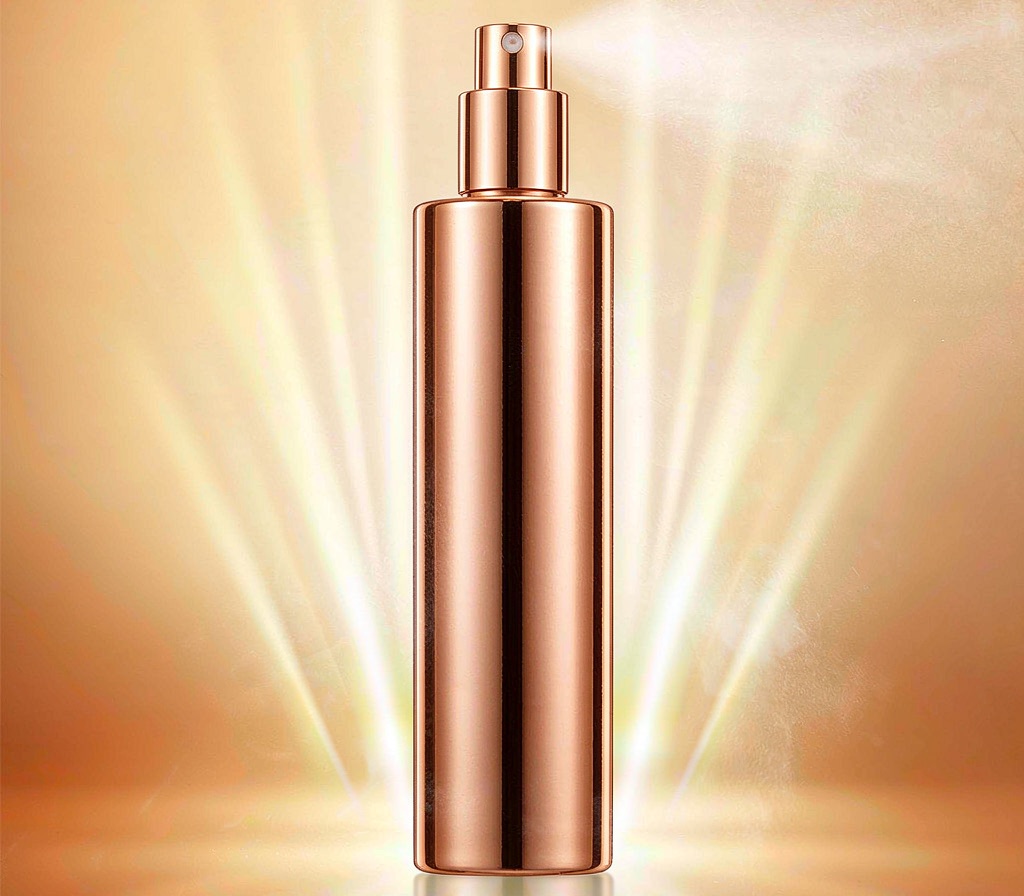
Hair serum is the anti-frizz specialist: film-forming systems that smooth the cuticle and block humidity uptake. Silicone builds deliver the classic glass-hair finish; silicone-free routes with plant esters serve the clean shelves — both need humidity-chamber verification, which we run as standard.
Positioning splits by climate: heavy-humidity markets want maximum occlusive films, dry climates want slip and shine without buildup. Pump bottles with measured dosing prevent the over-application that turns serum into grease.
Why a fluid is checked against a sample, not a number
Assay and pH tell you whether the chemistry is right; they do not tell you whether the product looks the way the buyer approved. Colour and clarity are read against the retained Golden Sample.
Production runs on GMPC and ISO 22716 certified lines under manufacturing licence 粤妆20250206, traceable from raw material to carton on every batch.
Formulas that sit beside this one
Private Label Hair Oil
The gold-standard finishing oil — shine and softness without the grease halo.
Private Label Heat Protectant Spray
The insurance step for iron users — thermal films documented to 230 °C.
Private Label Smoothing Hair Mist
Frizz control you can reapply in the elevator — the mid-day touch-up format.
Buyer guides for this build
Before you brief a supplier on this category, these are the guides that answer the questions buyers ask next — timelines, order quantities, cost structure and compliance.
What is adjustable on this fluid
- Silicone and silicone-free routes
- Humidity-chamber test documentation
- 50 / 100 ml pump formats
- Straightening-ritual routine bundles
Solubilisation has a ceiling
An oil-soluble active can be carried in a water-based fluid with a solubiliser, but only up to a point. Past that point the system turns hazy and then separates, and the point moves with temperature and with everything else in the formula.
The haze is not a cosmetic problem — it is the first visible sign of a system that has run out of capacity. Where clarity is part of the brief, the loading is set below the ceiling with a margin for the coldest shelf it will sit on.
Where each route fits a brief
The more the active needs protecting, the more of the decision moves from the formula to the pack.
| Route | Barrier it needs | Where it fits |
|---|---|---|
| Emulsion-fluid hybrid | A light oil phase suspended in water | Slip and comfort without the weight of a cream |
| Concentrated serum gel | Airless pump to handle the viscosity | High-load actives sold on a small dose |
| Glycol-rich fluid | Modest barrier, higher water activity | Actives that need solubility more than protection |
| Micellar system | Surfactant-stabilised, clear pack | Cleansing waters and no-rinse formats |
The actives and the levels they work at
INCI names and typical levels reflect publicly documented formulation practice. All values are adjustable in your build.
| Ingredient (INCI) | Typical Level | Function & Benefit |
|---|---|---|
| Dimethicone / Amodimethicone | 2–5% | Cuticle-smoothing films |
| C13-15 Alkane (plant-derived) | 10–30% | Silicone-free slip route |
| Hydrolyzed Keratin | 0.5–1% | Surface repair support |
Four levers on shelf life
Buffers steady the pH window
A buffer slows drift but adds its own ionic load, which can shift viscosity and compatibility. It is chosen with the rest of the system rather than bolted on.
Viscosity without heaviness
Fluids are thickened with polymers that leave no residue, because the texture is meant to disappear on application.
Opaque is not a downgrade
Where an active is light-sensitive, an opaque or UV-filtered pack is part of the protection. Choosing clear glass for the look usually costs shelf life.
Chelation is dosed, not added
Too little chelator leaves trace metals free to catalyse oxidation; too much can undercut the preservation system or shift the pH. The level is set against the water and the raw materials.
How a fluid goes from brief to released batch
- 1
Set the pH window
The range is defined by the most sensitive active in the system, with a tolerance production can actually hold.
- 2
Build the buffer for capacity
The buffer system is chosen for how much acid or base it can absorb, not only for the pH it sets, so the window holds through storage.
- 3
Verify against the retained sample
Assay, pH and appearance are checked at release against the sample your buyer approved.
- 4
Verify dosage across the pack
Where the pack meters a dose, the delivered volume is checked across the life of the pack rather than only when it is full.
Formats, pack sizes and MOQ
Mixed-variant orders can split the stated MOQ across formats under one brand.
| Format / Specification | MOQ | Lead Time |
|---|---|---|
| Humidity-block smoothing serum 50 ml | 1,000 pcs | 10–15 days |
| Silicone-free smoothing serum 50 ml | 1,000 pcs | 10–15 days |
| Glass-hair glossy serum 100 ml | 1,000 pcs | 10–15 days |
MOQ and lead time above are the standard liquid, cream and gel route. The real minimum is set by the manufacturing system rather than the category: surfactant systems (shampoo, body wash) start at 2,000 pcs, stick formats at 3,000, and powders and sheet masks at 5,000 — with longer production runs to match.
Questions we answer on every serum brief
Serum vs oil — difference?
Serums are engineered films targeting frizz and humidity; oils are emollient shines. Heavy-humidity customers need the serum regardless of how much they love the oil.
Do silicones cause buildup?
Amodimethicone-class are self-limiting and wash out with standard shampoo; the concern applies to heavy legacy dimethicones, which we avoid in daily builds.
Can we claim 'glass hair'?
The glossy finish is achievable and demonstrable; the term is descriptive rather than trademark-restricted, but we review final wording per market.
Send the pack you intend to use
Dropper, pump and airless formats protect a formula very differently. Tell us the pack and we quote the base that works inside it.