Private Label Curl Cream
Definition by curl pattern — creams and gels tuned from loose waves to tight coils.
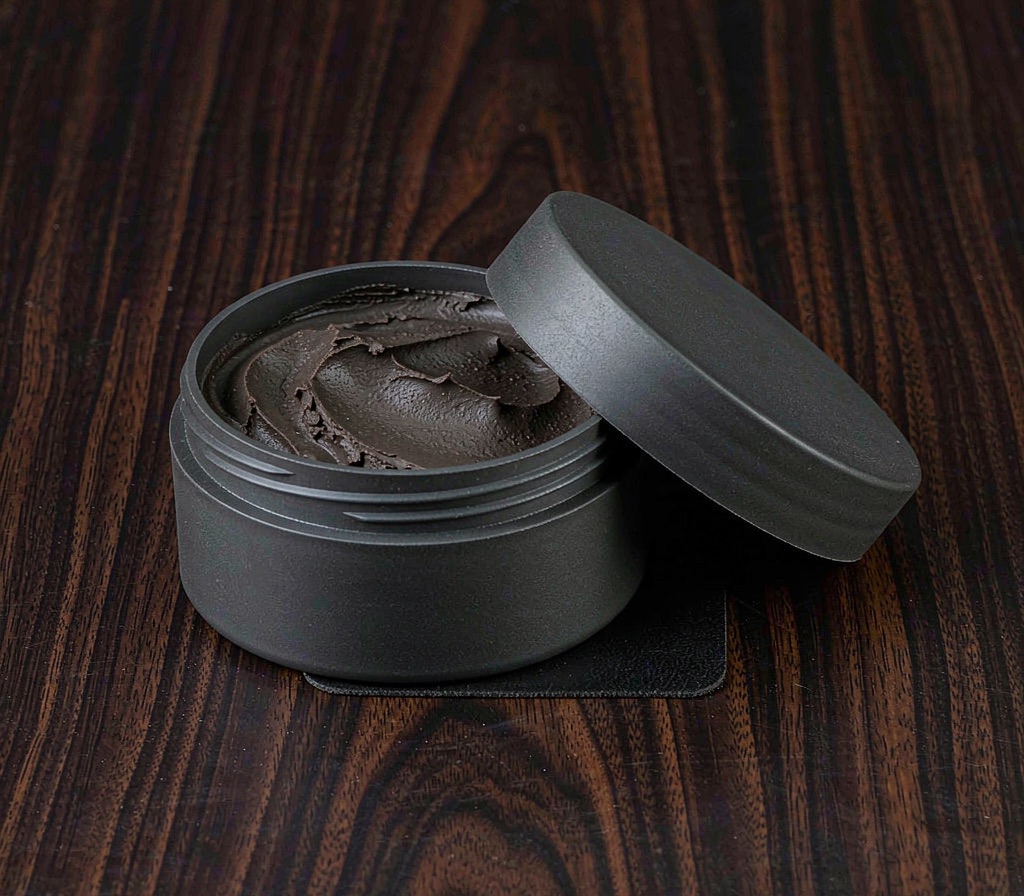
Curl cream defines what curl patterns already have: films and humectants that group strands into shaped curls instead of frizz. The category's nuance is pattern tuning — wavy hair wants light grip, coily hair wants heavy moisture and cast — and brands that ladder by pattern win the textured-hair shelf.
All builds are available CGM-compliant (no sulfates, drying alcohols or non-soluble silicones). The cast-and-scrunch method documentation turns first-time buyers into method loyalists, and method loyalty is the strongest repurchase driver in beauty.
Customisation on this emulsion
- Three pattern-tuned builds
- CGM-compliance documentation
- Cast-and-scrunch method inserts
- Deep-conditioner routine sets
The choices that fix texture and shelf life
Cooling rate sets the crystal
Fatty alcohols and butters crystallise as the batch cools. Ramp the temperature too quickly and the texture turns grainy in a way that only shows up weeks later.
Occlusivity is measurable
How far a cream reduces water loss can be quantified, and it tracks the oil phase and the film it leaves rather than the word used on the front of the pack.
Fill temperature and the line
The product has to be fluid enough to fill and structured enough to hold its shape in the pack. Both are read off the same viscosity curve.
Preservation across two phases
An emulsion splits a preservative between oil and water. Efficacy is tested against the finished matrix, because partitioning can leave the water phase under-protected.
Pack formats, MOQ and lead time
Mixed-variant orders can split the stated MOQ across formats under one brand.
| Format / Specification | MOQ | Lead Time |
|---|---|---|
| Wavy-hair light definition cream 200 ml | 1,000 pcs | 10–15 days |
| Curly-hair definition + moisture 200 ml | 1,000 pcs | 10–15 days |
| Coily cast gel-cream 200 ml | 1,000 pcs | 10–15 days |
MOQ and lead time above are the standard liquid, cream and gel route. The real minimum is set by the manufacturing system rather than the category: surfactant systems (shampoo, body wash) start at 2,000 pcs, stick formats at 3,000, and powders and sheet masks at 5,000 — with longer production runs to match.
The stages this emulsion passes through
- 1
Run the preservation study
The preservative system is challenged inside the finished emulsion rather than in water alone, because it partitions between two phases.
- 2
Set the cool-down ramp
The cooling profile decides how the fatty alcohols and butters crystallise, so it is specified as a rate rather than left to ambient cooling.
- 3
Verify against the retained sample
Viscosity, pH and appearance are checked at release so the texture your buyer approved is the texture that ships.
- 4
Adjust viscosity at target temperature
Any adjustment happens at the temperature the product will reach in the pack, not at processing temperature.
Actives and support system in this base
INCI names and typical levels reflect publicly documented formulation practice. All values are adjustable in your build.
| Ingredient (INCI) | Typical Level | Function & Benefit |
|---|---|---|
| Glycerin | 2–5% | Curl-grouping humectant |
| Polyquaternium-69 class | 1–2% | Flexible definition film |
| Butyrospermum Parkii Butter | 2–5% | Coily-pattern moisture |
Texture, pack and shelf-life questions
Why tune by curl pattern?
A coily cream weighs waves flat; a wavy cream never defines coils. Pattern laddering multiplies SKUs within one packaging design and captures the whole texture shelf.
What is the cast?
The dried gel layer that locks curl shape until scrunched out — the method step that separates curl communities from casual buyers.
Is CGM compliance expensive?
Marginally — ingredient swaps are modest. The claim access to the method community is worth far more than the cost delta.
The pack is part of the emulsion
A jar exposes the surface to air and fingers at every use; an airless pump does not. The same formula can carry a different preservation strategy and a different shelf life depending on which one it is filled into.
That is why the pack is chosen early rather than at the end. Selecting it after the formula is fixed usually means revisiting the preservation study, and sometimes the emulsifier system as well.
Emulsion systems and the textures they give
Two routes can share a name on the pack and still be built from entirely different emulsifier families.
| Route | Texture character | Typical brief |
|---|---|---|
| Lamellar (liquid crystal) | Rich, layered, slow-release feel | Barrier creams and premium night products |
| Anionic-emulsified | Classic body, broad compatibility | Mainstream creams where cost leads |
| Milk | Very low viscosity, spreadable | Body and large-format applications |
| Structured balm | High melt point, protective film | Barrier repair and winter edits |
How a cream is released, batch by batch
Emulsification and filling run in-house on GMPC and ISO 22716 certified lines under licence 粤妆20250206, with each batch traceable from raw material to carton.
Release reads viscosity, pH and appearance at fill and compares the batch with the retained Golden Sample, because texture is the property a number describes least well.
Pair this with
Private Label Deep Conditioner
The curly-routine staple — long-dwell moisture systems for texture methods.
Private Label Leave-In Conditioner
Protection that stays on — sprays and creams for curly routines and heat-styled hair.
Private Label Sea Salt Spray
Beach waves in a bottle — salt-textured grip balanced so hair does not feel like straw.
Buyer guides for this build
Before you brief a supplier on this category, these are the guides that answer the questions buyers ask next — timelines, order quantities, cost structure and compliance.
Send the claim that has to hold
Tell us what has to still be true at the end of the shelf life, not only at fill, and we build the emulsion and the overage around it.