Private Label Self-Tanning Mousse
The pro-level tan — instant bronze guide, developed color by morning.
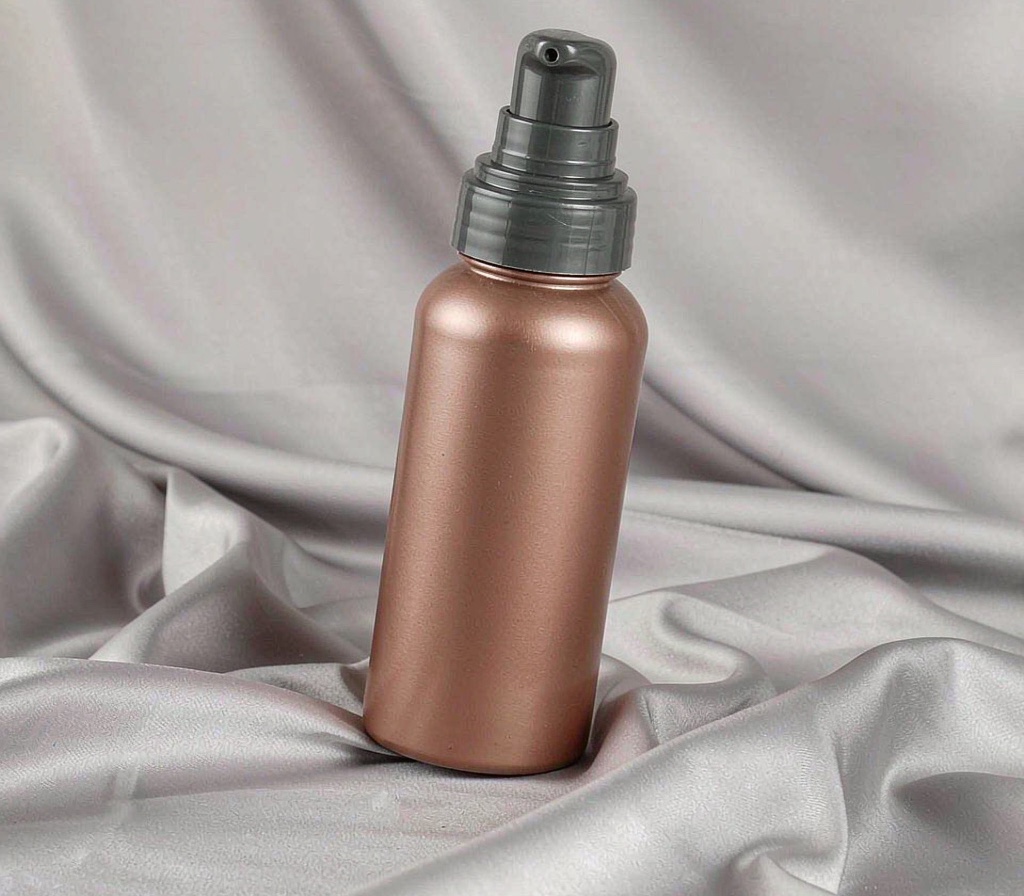
Self-tanning mousse is the category's flagship: a color-guide foam that bronzes on contact so application is visible, then develops the real tan over hours. It is the SKU the salon channel retails and the content economy demonstrates — and it demands the most precise manufacturing in beauty.
We build medium-and-dark DHA systems with true-to-guide color development (guide that lies is the category's worst failure), foam density tuned for even spread, and the pump-foam or aerosol formats the market splits on.
Where the compliance file comes from
The line is GMPC and ISO 22716 certified, and each batch carries raw-material-to-carton traceability under licence 粤妆20250206.
For an emulsion the file is built on the stability study for the system you selected — including the pack and closure — with the certificate of analysis, stability summary, microbiology report and MoCRA / CPNP-ready documentation attached to the order. Each batch is released against the retained Golden Sample.
Formulas that sit beside this one
Private Label Gradual Tan Lotion
The glow that builds daily — forgiving, streak-free, habit-forming.
Private Label Self-Tan Drops
Tanning that adapts to your customer's routine — drops, mixed in.
Private Label Body Shimmer Stick
Light in a twist tube — the finishing glow of the body-makeup wave.
Buyer guides for this build
Before you brief a supplier on this category, these are the guides that answer the questions buyers ask next — timelines, order quantities, cost structure and compliance.
The choices that fix texture and shelf life
Preservation across two phases
An emulsion splits a preservative between oil and water. Efficacy is tested against the finished matrix, because partitioning can leave the water phase under-protected.
A gel-cream is not a thin cream
A gel-cream breaks on contact while a cream spreads and stays put. Customers read that difference immediately, so the two are treated as separate formats rather than one with less oil.
The oil phase sets the feel
Emollient choice decides absorbency, slip and after-feel. It is the single biggest lever on whether the product reads as premium or value tier.
Viscosity drifts in the first weeks
Most emulsions thicken or thin over the first month as the structure settles. Specification limits are written for the settled product, not the freshly made one.
How the texture is locked in before scale-up
- 1
Hold for microbiological release
The batch is released on a microbiological result rather than on a production schedule.
- 2
Adjust viscosity at target temperature
Any adjustment happens at the temperature the product will reach in the pack, not at processing temperature.
- 3
Choose the emulsifier system
The emulsifier decides texture, melt point and stability at once, so it is picked with the destination market's climate in mind.
- 4
Confirm the fill on the line
Fill weight and appearance are verified on the production line, because a base that behaves well on the bench can still trap air in a filler.
Texture, pack and shelf-life questions
Why is 'true-to-guide' critical?
If the instant bronze looks darker than the developed tan, customers over-apply and go orange. We calibrate development against the guide — it is the category's hardest QC.
Pump-foam vs aerosol?
Pump-foam for clean positioning and standard MOQ; aerosol for the classic dense foam at 1,000 pcs. Both tooled.
Mitt included?
Yes — mousse + mitt is the proven retail pair; mitts alone re-purchase and the kit lifts AOV.
Texture is a formulation decision before it is a marketing word
Whether a cream reads as rich or light is decided by the oil phase, the emulsifier system and the thickener — not by the wording on the pack. The same brief can be built as a fast-absorbing lotion or a heavy occlusive butter, and both can carry the same claim.
Climate belongs in that decision. A texture that feels ideal in a temperate market can slump in transit through a hot, humid one, so the melt point is specified against the destination rather than the laboratory.
Where each route fits a brief
Two routes can share a name on the pack and still be built from entirely different emulsifier families.
| Route | Texture character | Typical brief |
|---|---|---|
| Cold-process | Fresh, light texture | Actives that cannot take a heated oil phase |
| Concentrated base | Thick in the jar, spreads thin | Face creams sold on a little going a long way |
| Rich cream | Occlusive and slower to absorb | Night regimes and dry-skin positioning |
| Light lotion | Fast-absorbing with little residue | Volume body and face lines sold on daily use |
Order sizes for each pack format
Mixed-variant orders can split the stated MOQ across formats under one brand.
| Format / Specification | MOQ | Lead Time |
|---|---|---|
| Tanning mousse 200 ml pump-foam | 1,000 pcs | 10–15 days |
| Dark shade variant | 1,000 pcs | 10–15 days |
| Salon pro kit (mousse + mitt + drops) | 1,000 sets | 10–15 days |
MOQ and lead time above are the standard liquid, cream and gel route. The real minimum is set by the manufacturing system rather than the category: surfactant systems (shampoo, body wash) start at 2,000 pcs, stick formats at 3,000, and powders and sheet masks at 5,000 — with longer production runs to match.
What this emulsion is built around
INCI names and typical levels reflect publicly documented formulation practice. All values are adjustable in your build.
| Ingredient (INCI) | Typical Level | Function & Benefit |
|---|---|---|
| Dihydroxyacetone (DHA) | 4–8% | Developing tan active |
| Erythrulose | 1–2% | Color depth and evenness |
| Caramel (color guide) | 0.5–1% | Instant application visibility |
What you can change on this build
- Medium / dark DHA systems
- Pump-foam or aerosol
- Tanning mitt bundling
- Salon pro kits
Start from the pack you have in mind
Jar, tube or airless pump changes the preservation and the fill decision. Send the pack and we build the emulsion to fit it.