Private Label Hand Mask
The glove ritual — overnight butter treatments that turn rough hands around by morning.
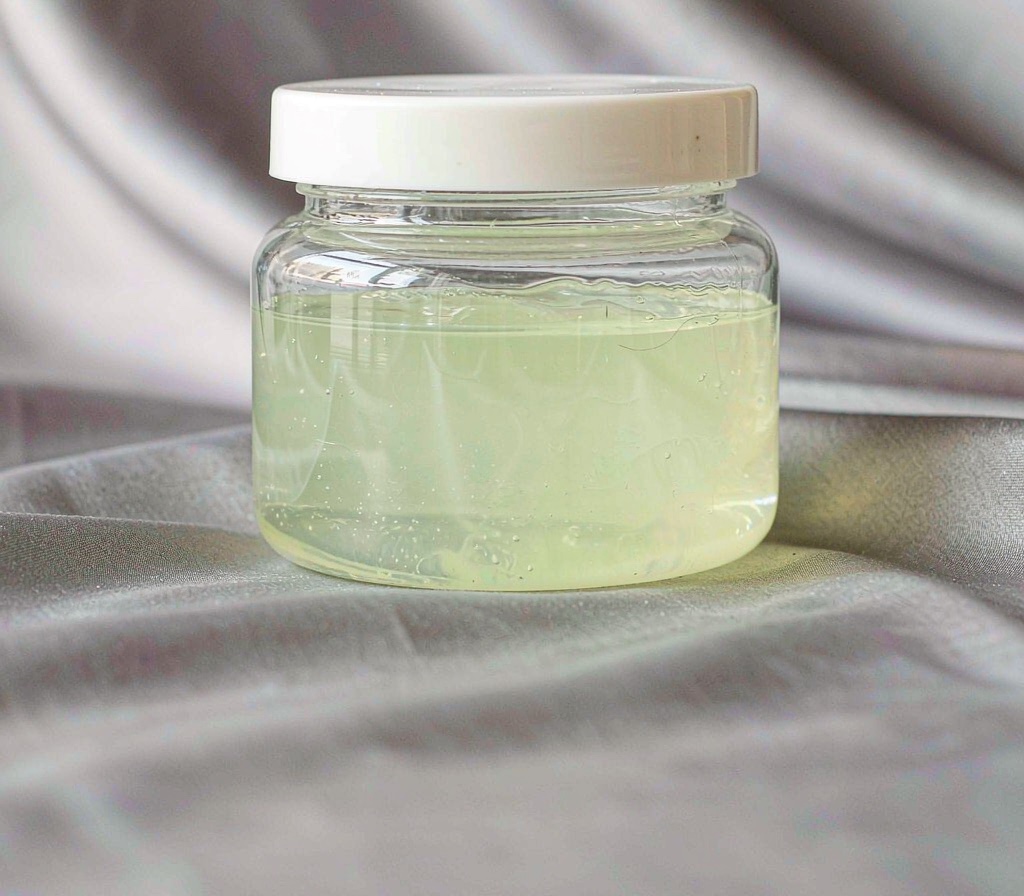
A mask is a dwell-time product
What separates a mask from a cream is less about the ingredients than about the time the customer leaves it on the skin. That dwell time is the design brief: the product has to deliver something visible in ten or twenty minutes without becoming uncomfortable.
It also means the format sets expectations before any ingredient does. A mask that dries too fast, or slides down the face, is judged long before its actives are.
Which mask route fits which routine
Single-use and multi-use formats carry different preservation files, so the route is settled before the pack.
| Format | Release behaviour | Typical brief |
|---|---|---|
| Peel-off | Forms a film, removed in one piece | Formats that demo well in short video |
| Sleeping gel | Absorbs fully, no rinse, no tack | Overnight routines for oily skin |
| Bubble and foaming | Oxygenating action visible on skin | Formats that demo well in short video |
| Sheet and patch | Occlusive, even delivery across the dwell | Single-use and travel-friendly formats |
The stages this mask passes through
- 1
Seal each unit
Sealing is validated for the pack, because a failed seal becomes a dried-out product on the shelf.
- 2
Verify the cut and fit
Cut geometry is checked against the reference so the mask sits the way the approved sample did.
- 3
Set the dwell time and the claim
How long the mask stays on decides how much active it can carry and what it can credibly claim.
- 4
Wet the substrate to specification
For a sheet format the saturation level is set and verified, because it decides both the dose delivered and whether the pack leaks.
Hand masks package the intensive treatment as a ritual: glove liners pre-filled with rich butter-and-urea systems, worn overnight so warmth boosts absorption while you sleep. The single-use format commands gift and travel-retail pricing that tubes never reach.
Fill systems pair occlusive butters with urea-class softening for genuinely cracked hands; the glove material locks contact and prevents the sheet-on-the-pillow problem of jar treatments. Pairs and 3-pair boxes both run from stock tooling.
What is delivered during the dwell
INCI names and typical levels reflect publicly documented formulation practice. All values are adjustable in your build.
| Ingredient (INCI) | Typical Level | Function & Benefit |
|---|---|---|
| Urea | 5–10% | Cracked-skin softening |
| Shea Butter | 10–20% | Occlusive overnight cushion |
| Ceramide NP | 0.2–0.4% | Barrier rebuilding |
Formats and order quantities
Mixed-variant orders can split the stated MOQ across formats under one brand.
| Format / Specification | MOQ | Lead Time |
|---|---|---|
| Butter-urea hand mask pair | 1,000 pairs | 10–15 days |
| 3-pair course box | 1,000 boxes | 10–15 days |
| Hand + foot mask gift duo | 1,000 sets | 10–15 days |
MOQ and lead time above are the standard liquid, cream and gel route. The real minimum is set by the manufacturing system rather than the category: surfactant systems (shampoo, body wash) start at 2,000 pcs, stick formats at 3,000, and powders and sheet masks at 5,000 — with longer production runs to match.
What decides how this behaves at dwell
Sheet saturation level
A sheet can hold only so much liquid without dripping. Saturation is tuned against the pack, the shelf life and how the customer applies it.
Dwell time sets the dose
A product left on for twenty minutes can carry more than one left on for one, so the level is set against real usage rather than the label.
Drying behaviour can be designed
Whether a clay mask tightens or stays comfortable is decided by the clay blend and the humectant level, not by the clay alone.
Removal without damage
Peel-off and wash-off formats both have to come away without pulling at the skin, which is a film-former and plasticiser question.
The questions that come up every time
Why do gloves improve the treatment?
Occlusion raises skin temperature and blocks evaporation — the same physics behind dermatologists' sleep-in-socks advice, productized.
Can customers reuse them?
They are designed single-use for hygiene and pricing; the 3-pair course box sets the weekly-treatment pattern honestly.
Is this a winter-only SKU?
Winter-led with year-round niche in hand-washing-heavy professions (healthcare, hospitality) — an audience worth targeting by name.
What you can change on this build
- Pair and course-box formats
- Heat-boost absorption design
- Hand + foot gift architectures
- Single-use pricing economics
Build the routine around it
Private Label Hand Cream
The pocket repeat-purchase machine — fast-absorbing hand creams in gifting packaging.
Private Label Foot Mask
The bootie ritual — single-use treatments that make tired feet a giftable occasion.
Private Label Heel Repair Balm
The cracked-heel specialist — 25% urea balms in stick format that work between toes-adjacent minutes.
Buyer guides for this build
Before you brief a supplier on this category, these are the guides that answer the questions buyers ask next — timelines, order quantities, cost structure and compliance.
The paperwork that travels with a mask order
Manufacturing takes place in-house under GMPC and ISO 22716 certification, licence 粤妆20250206, with raw-material-to-carton traceability on each batch.
Every production order ships with a certificate of analysis, a stability summary, a microbiology report and MoCRA / CPNP-ready documentation.
For a wet format the retained Golden Sample is the reference for how the product dries, sets and rinses — properties that no single instrument reading captures.
Tell us how it comes off
Peel, rinse or leave on — removal is part of the product experience and it changes the base. Send the routine and we quote the format.