Private Label Deodorant Cream
The zero-waste answer — a jar, a fingertip, and odor control that lasts.
Texture and stability questions
Why cream over stick?
Format positioning: zero-waste retail and refill culture. Same chemistry as the stick — different shelf, different customer, complementary SKU.
Finger application hygiene?
The formula is preserved for finger contact (challenge-tested); we also offer spatula-in-lid options for markets that prefer it.
Refill program MOQ?
Refill pouches run from 1,000 pcs — the margin structure works because the pouch replaces the most expensive component.
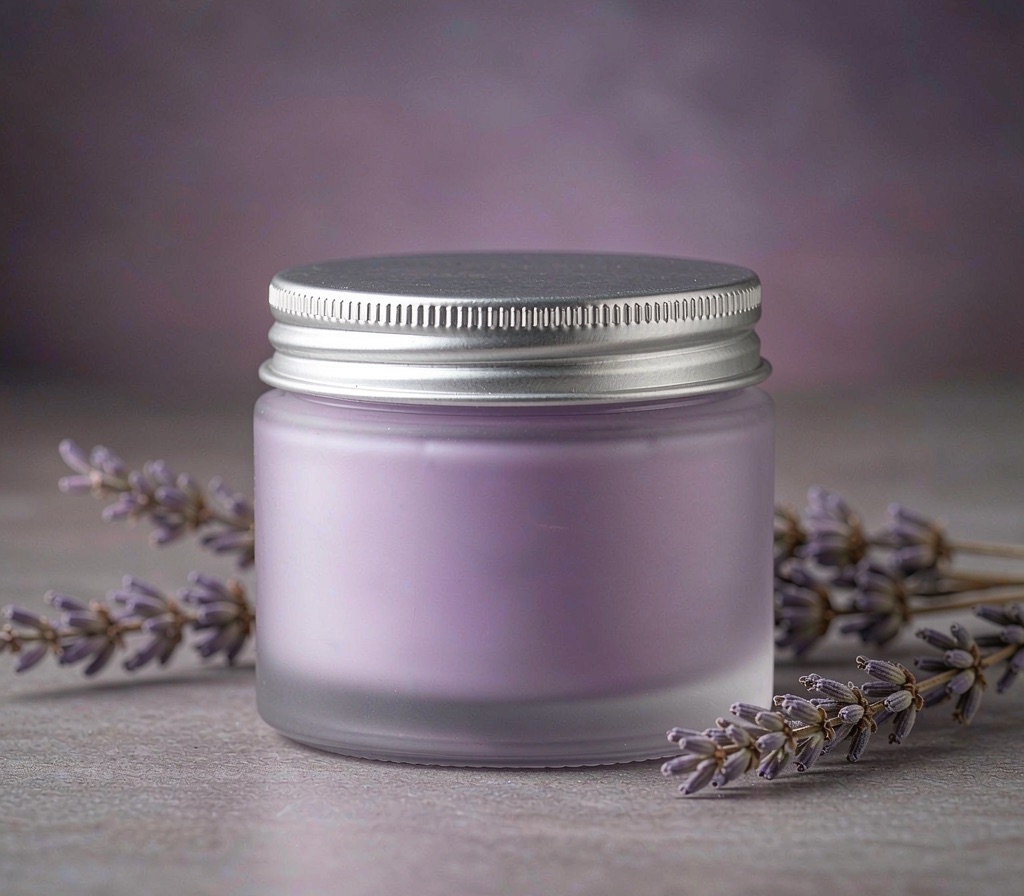
Deodorant cream is the zero-waste lane's format answer: a jar of cream deodorant applied by fingertip, no plastic tube, no applicator waste — and a texture story (it warms on contact) that makes the ritual feel premium. The format is small but its audience is loyal and vocal.
We build the same magnesium-based systems as our sticks in jar-friendly textures, offer bamboo-lid and metal-tin packaging, and support the refill-pouch programs that zero-waste retail expects as standard.
Other emulsion builds
Private Label Natural Deodorant Stick
Aluminum-free, baking-soda-free options — natural deodorant done without the rash.
Private Label Lotion Bar
Moisture, solidified — the zero-waste format travelers love.
Private Label Body Powder
Talc-free by design — the powder that made the category trustable again.
Buyer guides for this build
Before you brief a supplier on this category, these are the guides that answer the questions buyers ask next — timelines, order quantities, cost structure and compliance.
Customisation on this emulsion
- Bamboo / metal lid packaging
- Refill pouch economics
- Texture tuned for finger apply
- Zero-waste claim support
The stages this emulsion passes through
- 1
Cycle against the destination
Heat, cold and freeze-thaw cycling replicate the shipping route before the batch is released.
- 2
Confirm the fill on the line
Fill weight and appearance are verified on the production line, because a base that behaves well on the bench can still trap air in a filler.
- 3
Deaerate before fill
Entrained air is removed so fill weight and appearance in the pack both stay consistent from the first unit to the last.
- 4
Choose the emulsifier system
The emulsifier decides texture, melt point and stability at once, so it is picked with the destination market's climate in mind.
What decides how this cream behaves
Silicone or silicone-free
Silicones give instant, predictable slip. A silicone-free route has to rebuild that feel with esters and butters — both work, and the choice is usually a market one.
Emulsifier level is a narrow window
Too little and the system separates; too much and it drags on application and feels soapy. The window is found by trial rather than calculated.
Heat and cold cycling
Transport reality belongs in the specification. The batch is cycled through the temperature range of the destination market before release.
A gel-cream is not a thin cream
A gel-cream breaks on contact while a cream spreads and stays put. Customers read that difference immediately, so the two are treated as separate formats rather than one with less oil.
Formats we fill this emulsion into
Mixed-variant orders can split the stated MOQ across formats under one brand.
| Format / Specification | MOQ | Lead Time |
|---|---|---|
| Deodorant cream jar 60 g | 1,000 pcs | 10–15 days |
| Bamboo-lid premium variant | 1,000 pcs | 10–15 days |
| Refill pouch program | 1,000 pcs | 10–15 days |
MOQ and lead time above are the standard liquid, cream and gel route. The real minimum is set by the manufacturing system rather than the category: surfactant systems (shampoo, body wash) start at 2,000 pcs, stick formats at 3,000, and powders and sheet masks at 5,000 — with longer production runs to match.
An emulsion is a promise about shelf life
Oil and water do not stay mixed on their own. What holds a cream together is the interfacial film and the rheology of the continuous phase — which makes stability a design decision taken at the bench rather than a property the formula either has or does not.
The three failure modes we build against are separation, syneresis and crystallisation. Each one tends to appear months after fill, so the stability study is scheduled against the shelf life you intend to claim rather than against a two-week bench sample.
Which route fits which shelf
All of these can carry the same claim. What changes is how the product feels, how it ships and what it costs.
| Route | Texture character | Typical brief |
|---|---|---|
| Gel-cream | Light, breaks quickly on skin | Hot-climate and oily-skin briefs |
| Concentrated base | Thick in the jar, spreads thin | Face creams sold on a little going a long way |
| Light lotion | Fast-absorbing with little residue | Volume body and face lines sold on daily use |
| Lamellar (liquid crystal) | Rich, layered, slow-release feel | Barrier creams and premium night products |
What the oil phase is carrying
INCI names and typical levels reflect publicly documented formulation practice. All values are adjustable in your build.
| Ingredient (INCI) | Typical Level | Function & Benefit |
|---|---|---|
| Magnesium Hydroxide | 10–20% | Gentle odor control |
| Cocos Nucifera (Coconut) Oil | 20–35% | Finger-melt texture |
| Zinc Ricinoleate | 0.5–1.5% | Odor capture |
How a cream is released, batch by batch
Emulsification and filling run in-house on GMPC and ISO 22716 certified lines under licence 粤妆20250206, with each batch traceable from raw material to carton.
Release reads viscosity, pH and appearance at fill and compares the batch with the retained Golden Sample, because texture is the property a number describes least well.
Tell us the volume you need
Unit size and run length decide whether a cold process or a hot one is the better route. Send the numbers and we quote against them.