Private Label Brightening Cream
Glow-positioned tone-evening cream — the brightening claim without hydroquinone risk.
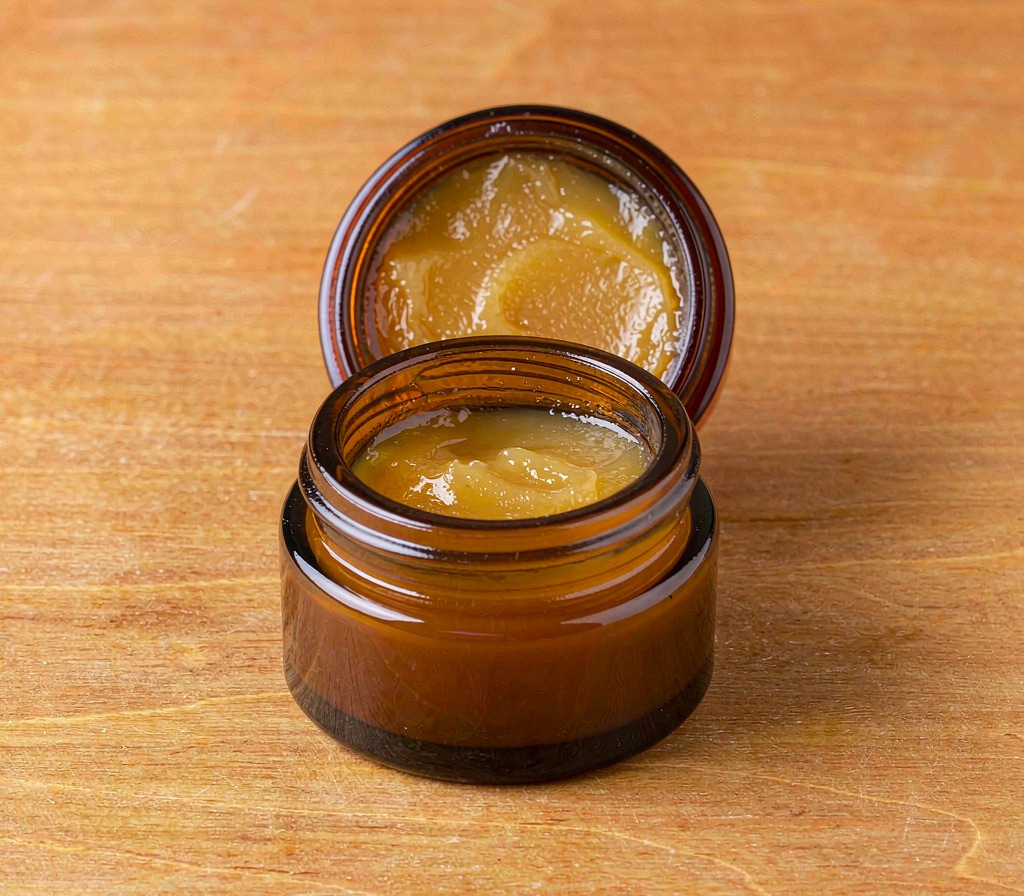
Customisation on this emulsion
- Single cream or day-night duo architecture
- Luminous vs natural-matte finishes
- Regional shade-preference tuning
- Hydroquinone-free compliance documentation
Brightening cream occupies the glow shelf between hydration and spot treatment: full-face tone-evenness claims built on niacinamide, tranexamic acid and licorice-derived actives — a system that stays compliant in every major market because it avoids restricted agents entirely.
Textures lean luminous rather than matte, with light-diffusing mineral options for the camera-facing customer. Day-night duos are the proven launch shape: vitamin C or niacinamide by day, TXA or azelaic by night.
What this emulsion is built around
INCI names and typical levels reflect publicly documented formulation practice. All values are adjustable in your build.
| Ingredient (INCI) | Typical Level | Function & Benefit |
|---|---|---|
| Niacinamide | 4% | Tone-evenness backbone |
| Tranexamic Acid | 2–3% | Dark-spot pathway support |
| Dipotassium Glycyrrhizate | 0.2–0.5% | Licorice soothing |
| Mica (light-diffusing) | 1–2% | Instant luminosity optics |
Formats we fill this emulsion into
Mixed-variant orders can split the stated MOQ across formats under one brand.
| Format / Specification | MOQ | Lead Time |
|---|---|---|
| Niacinamide 4% + TXA glow cream, 50 ml jar | 1,000 pcs | 10–15 days |
| Day SPF-free brightening + night TXA duo set | 1,000 sets | 10–15 days |
| Light-diffusing mineral glow cream, 50 ml | 1,000 pcs | 10–15 days |
MOQ and lead time above are the standard liquid, cream and gel route. The real minimum is set by the manufacturing system rather than the category: surfactant systems (shampoo, body wash) start at 2,000 pcs, stick formats at 3,000, and powders and sheet masks at 5,000 — with longer production runs to match.
Where an emulsion succeeds or fails
Fill temperature and the line
The product has to be fluid enough to fill and structured enough to hold its shape in the pack. Both are read off the same viscosity curve.
Viscosity against the fill line
A base that is too thick at fill temperature traps air and gives variable fill weights. The target is set against how it behaves on the line, not only in the jar.
Emulsifier level is a narrow window
Too little and the system separates; too much and it drags on application and feels soapy. The window is found by trial rather than calculated.
pH drift and the active inside
Emulsions buffer slowly. Where an active has a pH window, that window is verified at fill and again at the end of the stability study.
What brands ask us about this category
How do brightening claims stay compliant?
We build on unrestricted actives (niacinamide, TXA, licorice) with cosmetic wording — no hydroquinone or corticosteroids, which keeps global market entry clean.
Why a day-night duo?
Morning glow claims and evening treatment claims conflict in one texture; splitting them raises satisfaction and doubles units per customer.
Can the glow be instant?
Yes — light-diffusing mica delivers immediate luminosity while the actives work on tone over weeks; both claims coexist on the label.
The paperwork that travels with a cream order
Manufacturing takes place in-house under GMPC and ISO 22716 certification, licence 粤妆20250206, with raw-material-to-carton traceability on each batch.
Every production order ships with a certificate of analysis, a stability summary, a microbiology report and MoCRA / CPNP-ready documentation.
Texture is the hardest property to describe in numbers, so the retained Golden Sample is kept on file as the reference a batch is released against, alongside the viscosity and pH readings on the record.
The first ten seconds are decided by the volatiles
What a customer feels at application is largely the volatile fraction leaving — the light esters and silicones that evaporate or absorb first. That is what makes a cream read as fast-absorbing, and it is independent of how emollient the product really is.
Tuning that first impression means choosing the volatile fraction deliberately and keeping it separate from the long-acting emollients that decide how skin feels an hour later. The two are doing different jobs.
Which route fits which shelf
Two routes can share a name on the pack and still be built from entirely different emulsifier families.
| Route | Texture character | Typical brief |
|---|---|---|
| Non-ionic-emulsified | Neutral, skin-compatible feel | Sensitive-skin and premium lines |
| Rich cream | Occlusive and slower to absorb | Night regimes and dry-skin positioning |
| Milk | Very low viscosity, spreadable | Body and large-format applications |
| Gel-cream | Light, breaks quickly on skin | Hot-climate and oily-skin briefs |
The route an emulsified base takes through production
- 1
Choose the emulsifier system
The emulsifier decides texture, melt point and stability at once, so it is picked with the destination market's climate in mind.
- 2
Set the cool-down ramp
The cooling profile decides how the fatty alcohols and butters crystallise, so it is specified as a rate rather than left to ambient cooling.
- 3
Hold for microbiological release
The batch is released on a microbiological result rather than on a production schedule.
- 4
Verify against the retained sample
Viscosity, pH and appearance are checked at release so the texture your buyer approved is the texture that ships.
Complete the routine
Private Label Tranexamic Acid Serum
The dark-spot answer that pairs beautifully with niacinamide — gentle enough for daily use.
Private Label Niacinamide Serum
The workhorse active of modern retail — built with flushing-risk control and honest concentration claims.
Private Label Vitamin C Serum
Brightening serums built on stable vitamin C derivatives or pure L-AA — matched to your price tier and climate.
Buyer guides for this build
Before you brief a supplier on this category, these are the guides that answer the questions buyers ask next — timelines, order quantities, cost structure and compliance.
Tell us where it will be stored
A hot, humid market and a temperate one need different melt points from the same brief. Send the destination and we quote against it.