Private Label Tea Tree Shampoo
The tingle that means it's working — Australian tea tree for scalps.
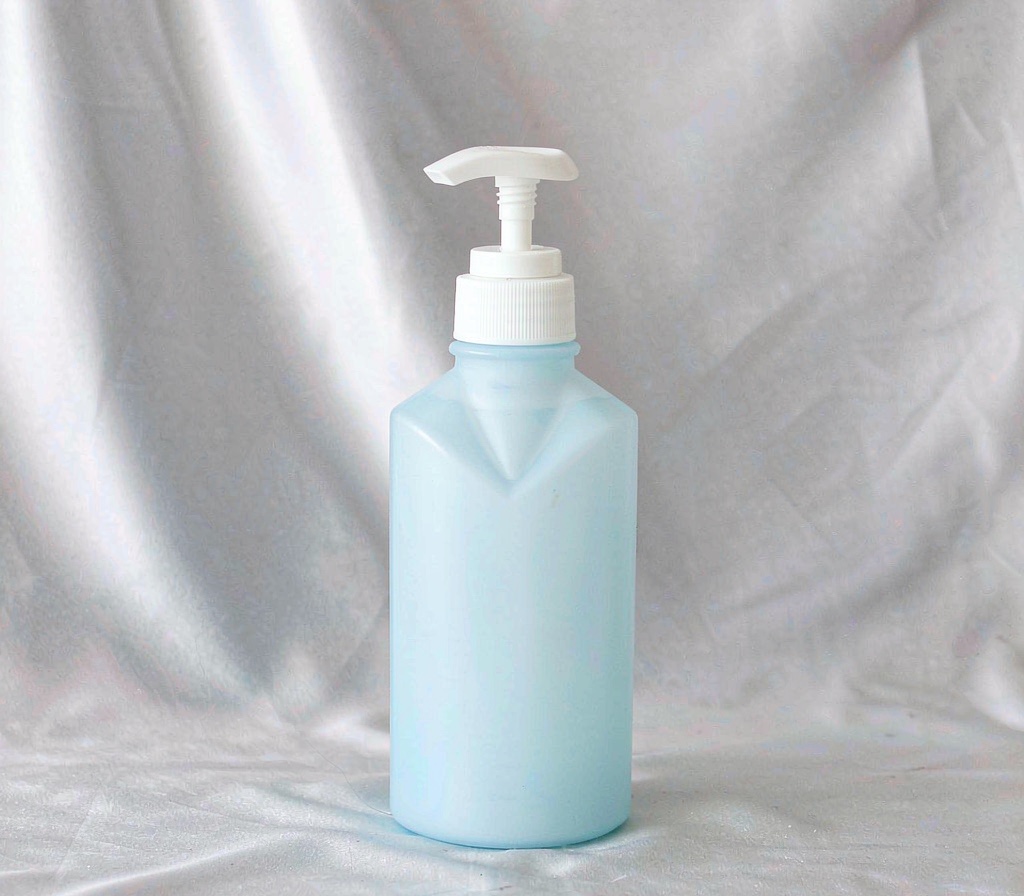
Claim and format options
- Terpinen-4-ol COA per batch
- Daily-safe tingle calibration
- Full scalp-care set architecture
- Salon back-bar sizing
Tea tree shampoo is the flake-look category's sensorial favorite: the terpinen-4-ol tingle reads as working, the fresh camphor scent reads as clean, and the ingredient story needs no education. It converts the customer who fears medicated shampoos.
We source Australian Melaleuca alternifolia with COA-standardized terpinen-4-ol, balance the tingle with scalp comfort actives, and keep it daily-safe so the habit (and the subscription) sticks.
What this wash can be filled into
Mixed-variant orders can split the stated MOQ across formats under one brand.
| Format / Specification | MOQ | Lead Time |
|---|---|---|
| Tea tree shampoo 300 ml | 1,000 pcs | 10–15 days |
| Tea tree + peppermint extra-cool build | 1,000 pcs | 10–15 days |
| Scalp care set (shampoo + scrub + serum) | 1,000 sets | 10–15 days |
MOQ and lead time above are the standard liquid, cream and gel route. The real minimum is set by the manufacturing system rather than the category: surfactant systems (shampoo, body wash) start at 2,000 pcs, stick formats at 3,000, and powders and sheet masks at 5,000 — with longer production runs to match.
What brands ask us about this category
Tingle means irritation?
At our dose it is sensation, not damage — we calibrate below threshold and verify with patch data; comfort actives back it up.
Medicated positioning risk?
Keep it cosmetic — 'reduces the look of flakes' survives review; drug claims invite takedowns in most markets.
Salon channel fit?
Strong — tea tree is a back-bar staple; the liter size carries better margins than retail.
Where lather and mildness pull against each other
Sulfate-free without the downgrade
Removing sulfate is straightforward. Keeping the wash experience intact is the work, and it is solved in the blend rather than by adding a polymer at the end.
Thickening is a balance, not an addition
Salt thickens a surfactant system only inside a narrow range; past the peak it thins again. The peak sits at a different point for every blend, so it is found per formula rather than assumed.
Colour protection is pH-dependent
Dyed hair releases colour fastest away from the pH the dye was set at. A colour-care wash is therefore specified around a pH window rather than around a surfactant claim on its own.
Fill viscosity is not shelf viscosity
A base that pumps cleanly on the line can be noticeably thicker in the bottle a month later. Both ends of the curve belong in the specification.
Why the retained sample is the specification here
A wash is judged in the hand before it is judged in a laboratory, and no number captures lather cushion or rinse feel on its own. That is why the retained Golden Sample is kept as the primary reference.
Production runs on GMPC and ISO 22716 certified lines under manufacturing licence 粤妆20250206, with batch traceability from raw material through to carton.
How the system is fixed before scale-up
- 1
Assess the wet and dry feel
Lather, rinse and comb-out are assessed on the retained sample at release, since none of the three is captured by a number on the record.
- 2
Pre-disperse the fragrance
Fragrance and any oil-soluble components are pre-mixed before they meet the surfactant matrix, so they disperse evenly instead of clouding the batch.
- 3
Verify against the approved sample
Every batch is compared with the retained Golden Sample before release, so the bottle your customer opens matches what you signed off.
- 4
Confirm deposition, not just dosing
Where a claim depends on an active staying on the surface, deposition is verified rather than inferred from the percentage that went into the batch.
Formulas that sit beside this one
Private Label Anti-Dandruff Shampoo
Flake control built on cosmetic-compliant actives — efficacy claims without drug-territory risk.
Private Label Scalp Scrub
The facial for the scalp — pre-wash exfoliation riding the skincare-ification wave.
Private Label Tea Tree Cream
The Australian classic, formulated right — clarity support without the stripping.
Buyer guides for this build
Before you brief a supplier on this category, these are the guides that answer the questions buyers ask next — timelines, order quantities, cost structure and compliance.
Cleansing and scalp actives, and their levels
INCI names and typical levels reflect publicly documented formulation practice. All values are adjustable in your build.
| Ingredient (INCI) | Typical Level | Function & Benefit |
|---|---|---|
| Melaleuca Alternifolia Leaf Oil | 0.5–2% | Standardized cooling active |
| Mentha Piperita Oil (variant) | 0.1–0.3% | Extra cooling cue |
| Salicylic Acid | 0.5–1% | Flake-look support |
| Panthenol | 0.5% | Scalp comfort |
The label percentage tells you almost nothing about a wash
In a rinse-off product the active has seconds of contact and unlimited dilution working against it. Dosing for what remains after that is a different calculation from dosing a leave-on, and it is the calculation that decides whether a claim is worth printing.
The rest is texture and rheology. How the base thickens in the hand, how the foam builds, and whether hair or skin feels stripped or cushioned afterwards — all of it comes from the surfactant blend, not from the headline ingredient.
Surfactant systems and what each one changes
None of these is a downgrade of another. They are different answers to different briefs.
| System | Lather character | Where it fits |
|---|---|---|
| Betaine-led blends | Generous foam at a lower raw-material cost | Mass-market and value briefs |
| Sulfosuccinate blend | Low-irritation, modest foam | Baby, sensitive-scalp and daily-use lines |
| Glucoside-led | Creamy, finer bubbles, slower to build | Strict sulfate-free and curl-method briefs |
| Sulfate systems | High volume, instant foam | Value and clarifying tiers with no sulfate-free claim |
Name the market and the price point
Those two answers narrow the surfactant system faster than anything else. Send them and we reply with the route and a full quotation.