Private Label Hair Wax
The groomer's tool — matte or shine waxes with holds that rework all day.
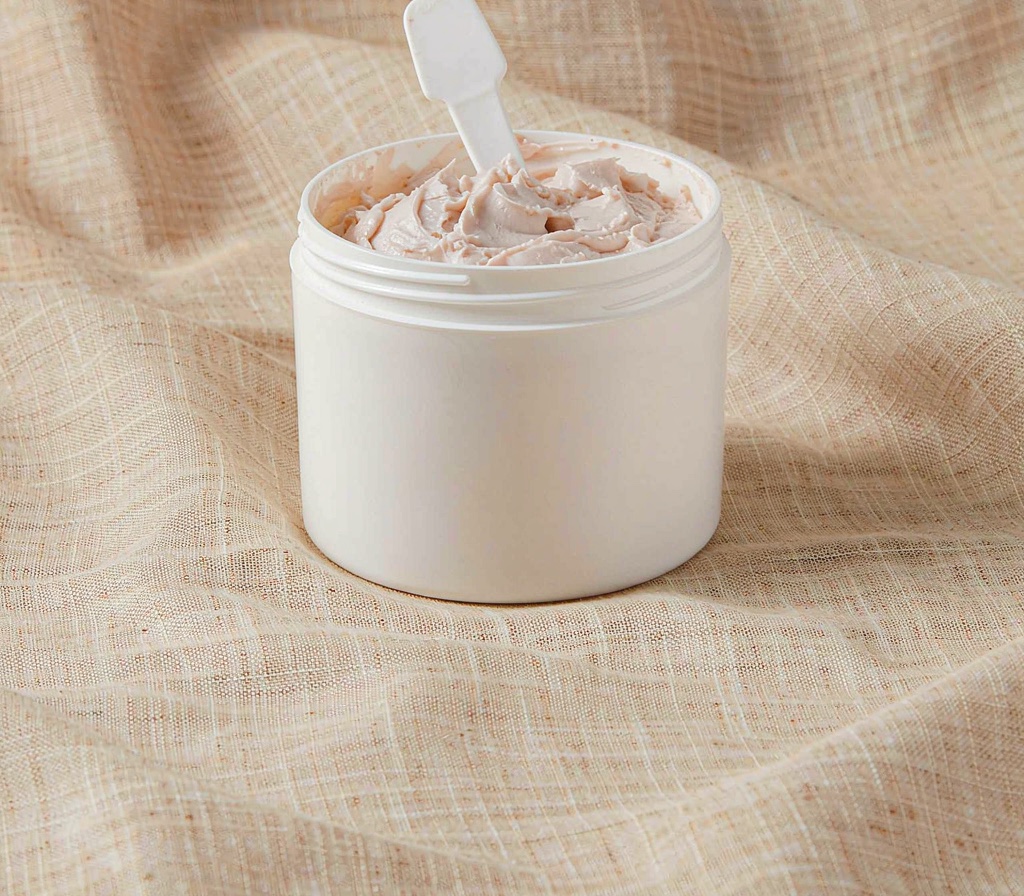
From brief to released oil phase, step by step
- 1
Fill warm, cool in the pack
The product is filled while it still flows and finishes setting in its own container, which is what fixes the surface appearance.
- 2
Verify against the retained sample
Colour, odour and texture are checked against the approved sample at release, not against a written tolerance alone.
- 3
Blend in descending temperature
Ingredients go in as the batch cools, in the order their melting points dictate, so nothing meets a phase it cannot disperse in.
- 4
Hold for stability release
The batch is released against oxidative stability results rather than against a calendar date.
Hair wax is precision styling: strong directional hold with the crucial property that it reworks — a rub of the palms resets the style without reapplication. Matte finishes dominate the current men's and unisex market; shine pomades serve the classic barber aesthetic.
The craft is wax matrix tuning: beeswax-class and plant waxes balanced with esters so the product scoops clean, emulsifies on palms and never flakes. Metal tins are the packaging language of the category and stock components keep tooling at zero.
Every format this base can be filled in
Mixed-variant orders can split the stated MOQ across formats under one brand.
| Format / Specification | MOQ | Lead Time |
|---|---|---|
| Matte clay wax 100 g tin | 1,000 pcs | 10–15 days |
| Shine pomade 100 g tin | 1,000 pcs | 10–15 days |
| Grooming trio (wax + clay + pomade) gift set | 1,000 sets | 10–15 days |
MOQ and lead time above are the standard liquid, cream and gel route. The real minimum is set by the manufacturing system rather than the category: surfactant systems (shampoo, body wash) start at 2,000 pcs, stick formats at 3,000, and powders and sheet masks at 5,000 — with longer production runs to match.
What gets decided before the melt point
Crystallisation and graininess
Butters and waxes can crystallise at the wrong temperature and leave a grainy texture, so the cooling curve is part of the process specification.
Fragrance behaves differently in oil
Scent develops more slowly and lasts longer in oil than in water, and the load is set for that behaviour rather than for a water-based reference.
Melt point and the shipping route
A balm that firms in a cold market and slumps in a hot one is a melt-point problem, solved through wax and butter ratios.
Oxidative stability is the specification
Rancidity shows up as a smell and a colour shift well before it affects performance, and both are controlled against a defined shelf life.
The carrier system and its working levels
INCI names and typical levels reflect publicly documented formulation practice. All values are adjustable in your build.
| Ingredient (INCI) | Typical Level | Function & Benefit |
|---|---|---|
| Cera Alba / Candelilla Wax | 10–25% | Structural hold matrix |
| Kaolin / Bentonite (matte) | 10–20% | Matte absorption finish |
| Ceteareth-25 | 3–8% | Reworkable emulsification |
What an anhydrous batch record carries
Blending and filling run on GMPC and ISO 22716 certified lines in-house under licence 粤妆20250206, with traceability from raw material to carton on each batch.
For an anhydrous product the record carries the peroxide value together with the odour and colour checks against your retained Golden Sample, plus the fill temperature and the barrier specification of the pack.
Where this formula can be adjusted
- Matte, shine or clay textures
- Metal tin stock packaging
- Barber-shop pro sizes
- Unisex and men's branding routes
Build out the oil range
Private Label Hair Gel
Wet-look to natural-finish gels — flake-free holds across the strength spectrum.
Private Label Hair Spray
The styling anchor in three hold tiers — brushable flexibility to red-carpet lock.
Private Label Texturizing Powder
Volume from a puff of dust — instant root grip that defies gravity all day.
Buyer guides for this build
Before you brief a supplier on this category, these are the guides that answer the questions buyers ask next — timelines, order quantities, cost structure and compliance.
No water means no preservative — and no hiding place
An anhydrous product removes the microbial risk that water brings and replaces it with an oxidative one. Without water there is no hydrolysis, but there is also nothing buffering the oils against the air.
The result is that rancidity rather than contamination becomes the failure mode, and it is controlled by three things in order: the oil blend, the antioxidant system and the pack.
Anhydrous routes and what each one is built for
Oxidative stability moves with the blend, so the route and the shelf life are decided together.
| Route | Feel and behaviour | Typical brief |
|---|---|---|
| Wax-structured solid | Firm at room temperature | Sticks, pomades and format-led launches |
| Jojoba-ester base | Close to skin lipids, light on the skin | Sensitive-skin and facial oils |
| Squalane-led oil | Light, non-greasy, absorbs steadily | Face and body oils for daily use |
| Roll-on or glide solid | Sets firm, moves on contact | Deodorant and spot-application formats |
Feel, stability and shipping questions
Wax vs clay — difference?
Clay is wax with absorbent minerals for a drier matte finish and lighter hold; wax trades some matte for stronger, glossier control. Most grooming lines carry both.
What makes a wax reworkable?
The emulsifier balance — product must re-emulsify with palm heat instead of cracking. Our matrix is verified for rework cycles.
Is a gift set worth tooling?
The trio set in a printed box is the grooming category's best gifting SKU and needs no custom tooling with stock tins.
Tell us where it ships
Melt point and stability both follow the destination climate. Send the market and we build the wax ratio backwards from it.