Private Label Underarm Brightening Cream
The most-searched brightening concern — handled with actives and honesty.
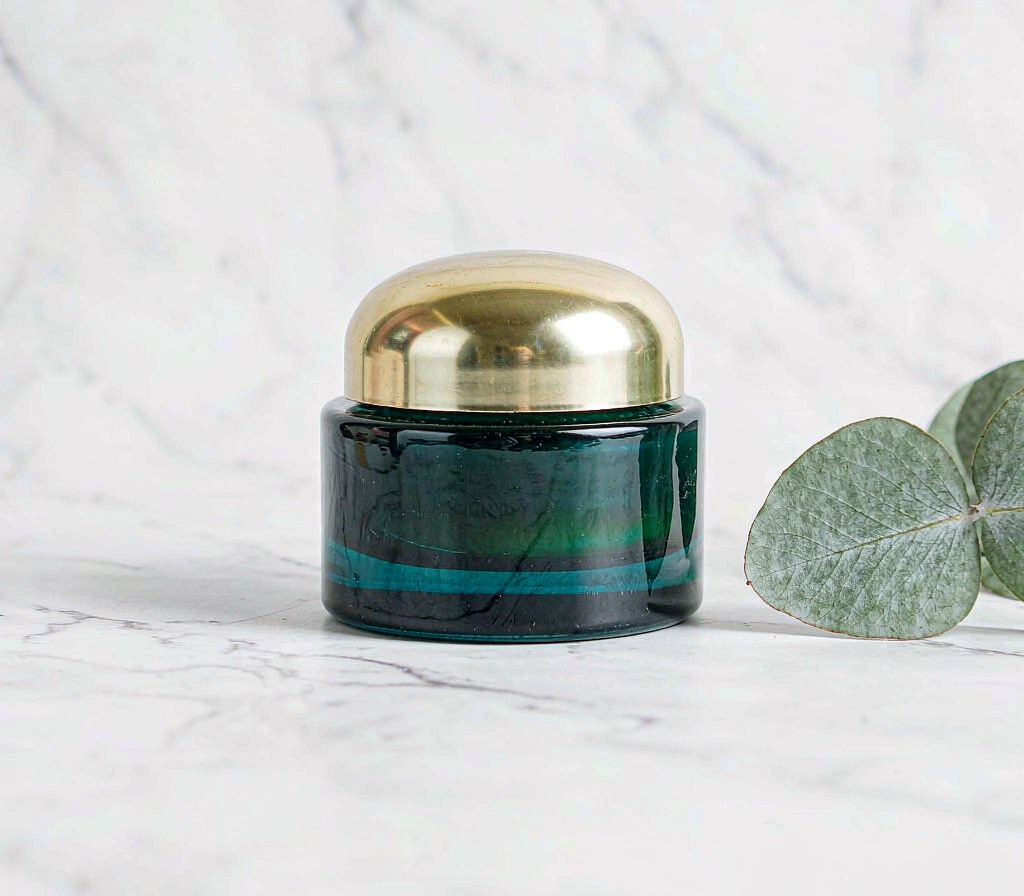
The questions that come up every time
What wording is safe?
'Tone care for dark areas' and 'brightening appearance' — never bleach-level promises. We deliver the compliant file per market before you sample.
Post-shave safe?
Yes — PHA-level acids and the soothing layer are built for freshly-shaved skin; the deodorant-adjacent routine is the usage model.
Why pair with deodorant?
Same area, same customer, same shelf moment — the duo set is the natural bundle and doubles basket size.
Underarm brightening is the highest-search-volume niche in bodycare tone care — and the one where careless claims end brands. The winning formula combines real actives (niacinamide, gentle acids) with friction-aware wording ('tone care for dark areas') that survives every market.
We build niacinamide-led creams with PHA-level gentle acids suitable for post-shave skin, add the soothing layer that sensitive-area use demands, and deliver per-market compliant wording as a standard deliverable.
Actives and support system in this base
INCI names and typical levels reflect publicly documented formulation practice. All values are adjustable in your build.
| Ingredient (INCI) | Typical Level | Function & Benefit |
|---|---|---|
| Niacinamide | 4–5% | Primary tone-care active |
| Gluconolactone (PHA) | 2–4% | Gentle-surface renewal |
| Licorice Root Extract | 1–2% | Botanical brightening |
Other emulsion builds
Private Label Natural Deodorant Stick
Aluminum-free, baking-soda-free options — natural deodorant done without the rash.
Private Label Brightening Body Lotion
Face-grade brightening, body-scale — niacinamide systems for even tone below the neck.
Private Label Kojic Acid Serum
The fermentation-derived corrector — spot care with stability solved.
Buyer guides for this build
Before you brief a supplier on this category, these are the guides that answer the questions buyers ask next — timelines, order quantities, cost structure and compliance.
Texture, pack and claim options
- Sensitive-area-safe actives
- Compliant wording per market
- Tube / roll-on formats
- Deodorant duo positioning
Pack formats, MOQ and lead time
Mixed-variant orders can split the stated MOQ across formats under one brand.
| Format / Specification | MOQ | Lead Time |
|---|---|---|
| Underarm cream tube 60 ml | 1,000 pcs | 10–15 days |
| Roll-on texture variant | 1,000 pcs | 10–15 days |
| Brightening duo (cream + deodorant) | 1,000 sets | 10–15 days |
MOQ and lead time above are the standard liquid, cream and gel route. The real minimum is set by the manufacturing system rather than the category: surfactant systems (shampoo, body wash) start at 2,000 pcs, stick formats at 3,000, and powders and sheet masks at 5,000 — with longer production runs to match.
A stability study is a schedule, not a test
Stability work is planned backwards from the shelf life you intend to claim. A formula that passes a two-week bench check has proven very little about month twelve, and the difference is not something a single reading can cover.
Accelerated and real-time studies run together: the accelerated arm gives early warning, the real-time arm gives the evidence. The pack and the closure are tested as part of the system rather than separately from it.
Emulsion routes and what each one is built for
Each route below is a different balance of oil phase, emulsifier and thickener, not a different marketing story.
| Route | Texture character | Typical brief |
|---|---|---|
| Rich cream | Occlusive and slower to absorb | Night regimes and dry-skin positioning |
| Non-ionic-emulsified | Neutral, skin-compatible feel | Sensitive-skin and premium lines |
| Cold-process | Fresh, light texture | Actives that cannot take a heated oil phase |
| Light lotion | Fast-absorbing with little residue | Volume body and face lines sold on daily use |
Four points that fix the texture
Viscosity drifts in the first weeks
Most emulsions thicken or thin over the first month as the structure settles. Specification limits are written for the settled product, not the freshly made one.
Viscosity against the fill line
A base that is too thick at fill temperature traps air and gives variable fill weights. The target is set against how it behaves on the line, not only in the jar.
Occlusivity is measurable
How far a cream reduces water loss can be quantified, and it tracks the oil phase and the film it leaves rather than the word used on the front of the pack.
Emulsifier level is a narrow window
Too little and the system separates; too much and it drags on application and feels soapy. The window is found by trial rather than calculated.
How a cream is released, batch by batch
Emulsification and filling run in-house on GMPC and ISO 22716 certified lines under licence 粤妆20250206, with each batch traceable from raw material to carton.
Release reads viscosity, pH and appearance at fill and compares the batch with the retained Golden Sample, because texture is the property a number describes least well.
The stages this emulsion passes through
- 1
Hold for microbiological release
The batch is released on a microbiological result rather than on a production schedule.
- 2
Confirm the fill on the line
Fill weight and appearance are verified on the production line, because a base that behaves well on the bench can still trap air in a filler.
- 3
Read pH at the end of the window
pH is measured at fill and again at the end of the stability study, so drift is caught while the batch is still a decision rather than a complaint.
- 4
Set the oil phase against the brief
Emollients, butters and oils are chosen for the after-feel the brief describes, then costed against the price tier.
Send the claim that has to hold
Tell us what has to still be true at the end of the shelf life, not only at fill, and we build the emulsion and the overage around it.