Private Label Lymphatic Drainage Oil
The technique oil behind the wellness internet's favorite ritual.
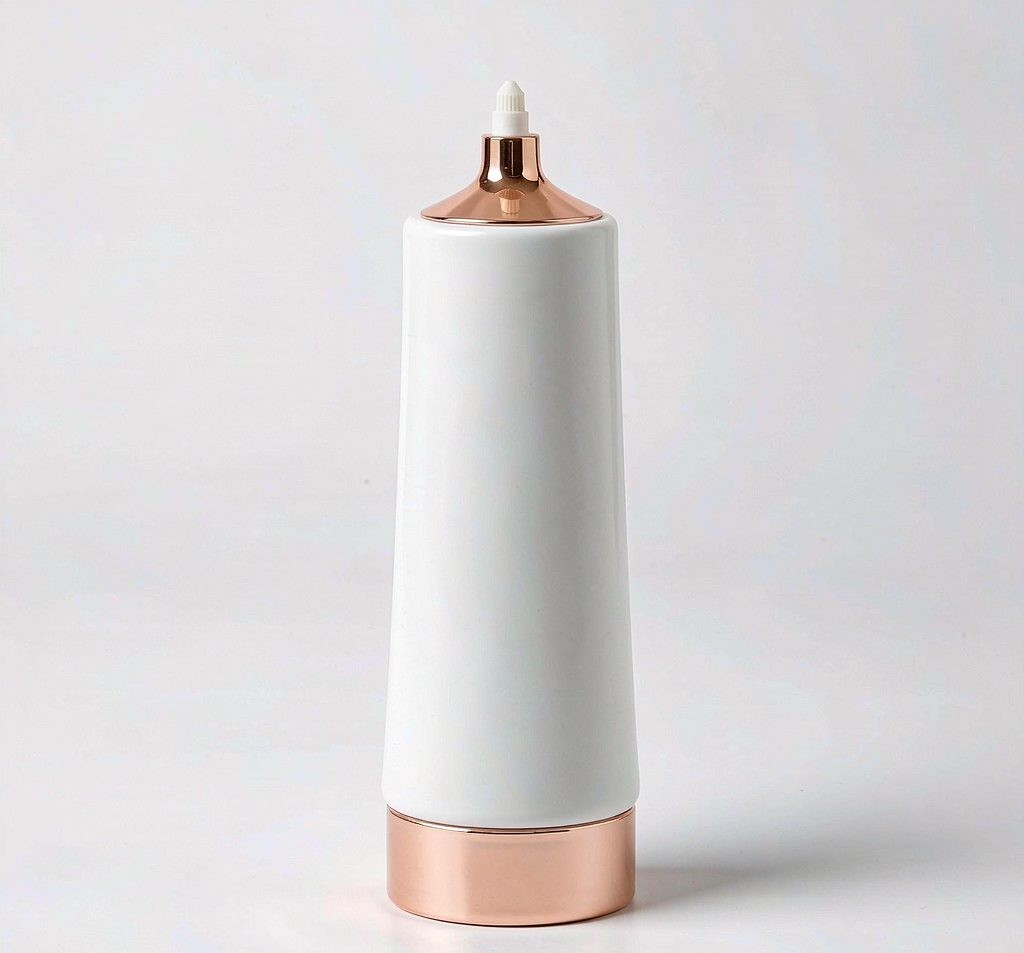
Lymphatic drainage became the wellness internet's favorite body ritual — and it needs a specific oil: light-flow, fast-absorbing, built for the upward-stroke technique rather than deep-tissue glide. The oil sells because the technique went viral; the technique converts because the oil is right.
We build light-flow blends (grapeseed-ester bases) with the circulation-support botanicals the technique's tradition calls for, package with dry-brush pairing options, and write the technique insert that makes first-time users successful.
The carrier system and its working levels
INCI names and typical levels reflect publicly documented formulation practice. All values are adjustable in your build.
| Ingredient (INCI) | Typical Level | Function & Benefit |
|---|---|---|
| Vitis Vinifera (Grape) Seed Oil | 40–60% | Light-flow base |
| Citrus Limon (Lemon) Peel Oil | 0.3–0.8% | Traditional circulation botanical |
| Juniperus Communis Fruit Oil | 0.2–0.5% | Classic drainage-support herb |
Build out the oil range
Private Label Massage Oil
The spa's best-selling retail shelf item — glide, scent, and a story.
Private Label Cellulite Serum
The firming concentrate the category demanded — caffeine, peptides, and a roller.
Private Label Body Oil
The post-shower glow ritual — botanical oils that turn hydration into an occasion.
Buyer guides for this build
Before you brief a supplier on this category, these are the guides that answer the questions buyers ask next — timelines, order quantities, cost structure and compliance.
What brands ask us about this category
Why light-flow instead of glide?
Drainage technique uses light, fast upward strokes — a heavy glide oil resists the motion. The viscosity IS the technique's enabler.
Claims honesty?
'Supports the massage technique' wording — the oil enables the ritual, the ritual is the experience. We keep the file cosmetic-clean per market.
Dry-brush pairing?
The kit is the channel favorite — brush before, oil after is the protocol; the insert teaches it and the set sells it.
Pack formats, MOQ and lead time
Mixed-variant orders can split the stated MOQ across formats under one brand.
| Format / Specification | MOQ | Lead Time |
|---|---|---|
| Drainage oil pump 150 ml | 1,000 pcs | 10–15 days |
| Dry-brush kit (oil + brush) | 1,000 sets | 10–15 days |
| Spa pro liter 1000 ml | 1,000 pcs | 10–15 days |
MOQ and lead time above are the standard liquid, cream and gel route. The real minimum is set by the manufacturing system rather than the category: surfactant systems (shampoo, body wash) start at 2,000 pcs, stick formats at 3,000, and powders and sheet masks at 5,000 — with longer production runs to match.
Anhydrous formats forgive some things and punish others
There is no water for microbes and no hydrolysis to break down esters, which makes preservation and pH far simpler than in a fluid. What replaces them is an unforgiving sensitivity to oxygen and light.
So the pack carries more of the design than it would in an emulsion, and the choice between airless, glass and aluminium becomes a shelf-life decision rather than a look.
Oil systems and the feel each one gives
Melt point and feel are the two variables here. Everything below is a different balance of them.
| Route | Feel and behaviour | Typical brief |
|---|---|---|
| Light finishing oil | Fast absorb with low residue | Hair and body oils sold on dry-touch claims |
| Butter-rich balm | Dense, melts on contact | Ointment and repair formats |
| Wax-paste hybrid | Holds shape, spreads thin | Brow and edge products in a stick |
| Rich paste | High solids, low flow | Repair treatments applied by hand |
How an anhydrous build goes from brief to release
- 1
Select the pack for the barrier
Glass, aluminium or treated plastic, chosen for the protection it gives the oil rather than for appearance alone.
- 2
Meter the antioxidant
The antioxidant system is weighed in rather than poured to a mark, because the dose is small and a shelf-life claim rests on it.
- 3
Control the cooling curve
Crystallisation is managed in the process so the finished texture stays smooth instead of turning grainy.
- 4
Blend in descending temperature
Ingredients go in as the batch cools, in the order their melting points dictate, so nothing meets a phase it cannot disperse in.
Four levers on an anhydrous build
Silicone or silicone-free slip
Silicones give a predictable glass-like finish. A silicone-free route rebuilds it with esters, and the difference is visible in the hand.
Crystallisation and graininess
Butters and waxes can crystallise at the wrong temperature and leave a grainy texture, so the cooling curve is part of the process specification.
Oxidative stability is the specification
Rancidity shows up as a smell and a colour shift well before it affects performance, and both are controlled against a defined shelf life.
The carrier sets the feel
Light esters, heavy butters and dry oils each produce a different after-feel. In an anhydrous base the blend is the product.
Feel, pack and scent options
- Light-flow viscosity tuning
- Dry-brush kit tooling
- Technique insert cards
- Spa pro sizes
What an anhydrous batch record carries
Blending and filling run on GMPC and ISO 22716 certified lines in-house under licence 粤妆20250206, with traceability from raw material to carton on each batch.
For an anhydrous product the record carries the peroxide value together with the odour and colour checks against your retained Golden Sample, plus the fill temperature and the barrier specification of the pack.
Tell us where it ships
Melt point and stability both follow the destination climate. Send the market and we build the wax ratio backwards from it.